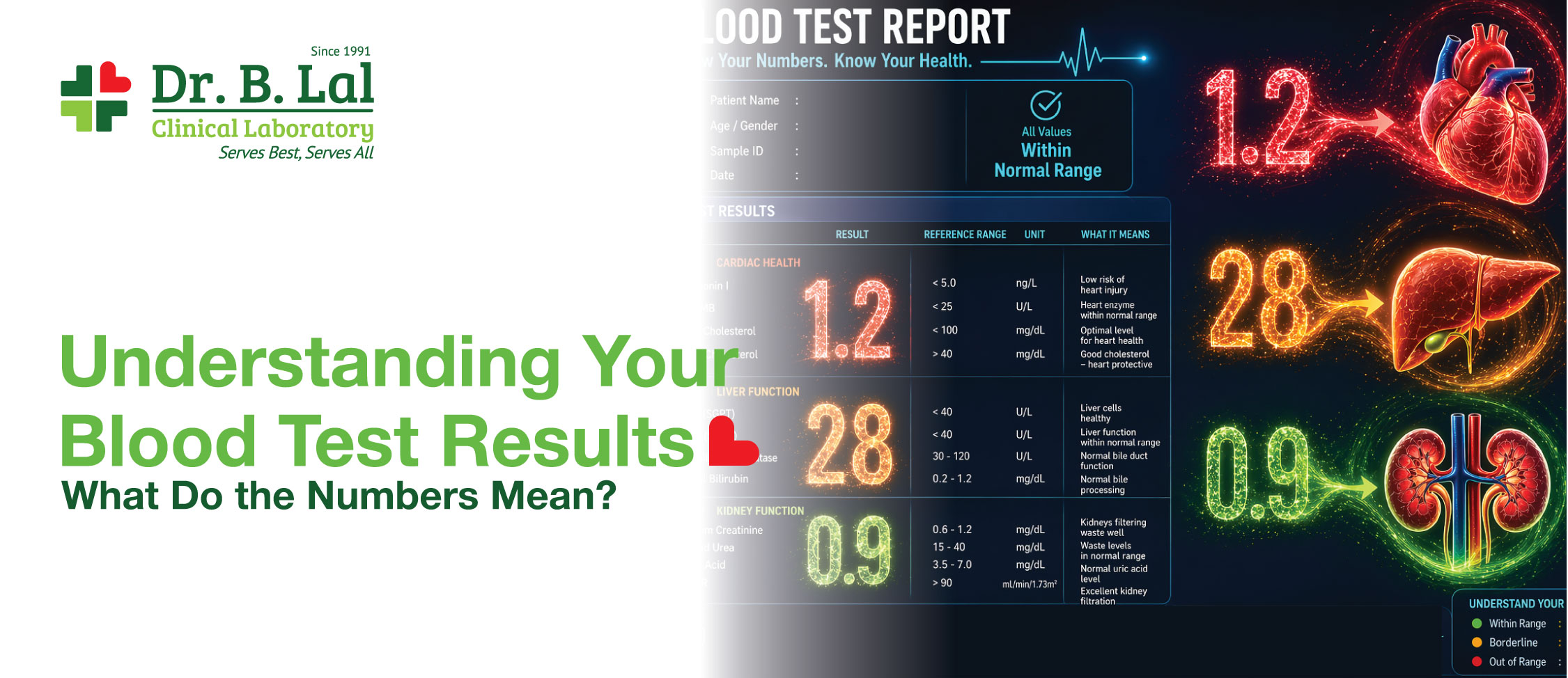
Blood reports usually contain many parameters, and honestly most people don’t really understand all of them. One test that often appears in routine reports is the Total Leucocyte Count (TLC) test.
Many people see the number in the report and wonder if it’s normal or not. But they are not always sure what the test actually measures.
The TLC test is important because it helps doctors understand how the immune system is functioning. It can also indicate infections, inflammation, or certain health problems happening inside the body.
In this article we will try to understand what the Total Leucocyte Count test is, its normal range, and the process or procedure of the test.
What Is the Total Leucocyte Count (TLC) Test?
The Total Leucocyte Count test, often simply called TLC, measures the number of white blood cells present in the blood.
White blood cells, also known as leucocytes, play a major role in protecting the body from infections. They help fight bacteria, viruses, and other harmful microorganisms.
Whenever the body detects infection or inflammation, it often produces more white blood cells. But sometimes the count may also decrease depending on the condition.
So the TLC test gives a general idea about how the immune system is responding at that time.
It doesn’t always tell the exact disease, but it gives a clue that something might be happening.
Why Is the TLC Test Done?
Doctors recommend the TLC test for several reasons.
- Some of the common situations include:
- Detecting infections in the body
- Monitoring immune system health
- Investigating persistent fever
- Checking for inflammation
- Monitoring certain treatments
- Evaluating possible blood disorders
In many cases the TLC test is done as part of a Complete Blood Count (CBC) test during routine health checkups
.
Even when someone feels fine, this test can still provide useful information about overall health.
Normal Range of Total Leucocyte Count
The normal range of Total Leucocyte Count may vary slightly from one laboratory to another.
But generally, the normal TLC range is:
4,000 to 11,000 cells per microliter of blood
If the value falls within this range, it usually indicates that the immune system is functioning normally.
But if the count goes above or below the normal range, doctors may look for possible reasons.
It is also important to remember that a single abnormal result does not always mean a serious disease. Temporary factors can sometimes change the count too.
What Happens When TLC Is High?
When the Total Leucocyte Count is higher than normal, the condition is called leucocytosis.
This can happen due to several reasons such as:
- Bacterial infections
- Inflammation in the body
- Physical or emotional stress
- Smoking
- Allergic reactions
- Certain medications
- Blood-related disorders
For example, when the body is fighting an infection, it produces more white blood cells to defend itself. This increases the TLC level.
Sometimes even heavy physical activity or stress can cause a temporary increase in the count.
So doctors usually consider other symptoms and tests before making conclusions.
What Happens When TLC Is Low?
A lower than normal TLC is known as leucopenia.
Some possible causes include:
- Viral infections
- Bone marrow problems
- Autoimmune disorders
- Certain medications
- Severe infections
- Nutritional deficiencies
When white blood cell levels are low, the body may have a weaker ability to fight infections.
However, again it depends on many factors and the doctor will usually evaluate the result along with other tests.
Types of White Blood Cells
The TLC test measures the total number of white blood cells, but there are actually different types of them.
These include:
- Neutrophils
- Lymphocytes
- Monocytes
- Eosinophils
- Basophils
Each type plays a slightly different role in immune defense.
Sometimes doctors also order a Differential Leucocyte Count (DLC) test along with TLC. This helps identify which specific type of white blood cell is increasing or decreasing.
That information can help narrow down possible causes.
Process and Procedure of the TLC Test
The TLC test is quite simple and usually takes only a few minutes.
1. Blood Sample Collection
A healthcare professional collects a small sample of blood from a vein, usually from the arm
.
A sterile needle is used to draw the blood and it is collected in a test tube.
The procedure is quick. Some people may feel a small prick, but it is generally very tolerable.
2. Laboratory Testing
After the sample reaches the laboratory, it is analyzed using automated machines called hematology analyzers.
These machines count the number of white blood cells present in the blood sample.
The analysis is done quite quickly and the results are usually available within a few hours.
3. Report Preparation
Once the analysis is complete, the report is generated showing the TLC value along with the reference range.
Doctors then interpret the result depending on the patient’s symptoms, medical history, and other test results.
Do You Need to Fast for a TLC Test?
In most cases, fasting is not required for a TLC test.
You can eat and drink normally before the test.
However, if the TLC test is part of a larger health checkup package that includes tests like blood sugar or lipid profile, fasting may be recommended.
The lab or doctor will usually inform you beforehand.
Are There Any Risks Involved?
The TLC test is considered very safe.
The only minor effects that may occur are related to blood collection, such as:
- Slight pain where the needle was inserted
- Mild bruising
- Rarely, slight dizziness
These effects are temporary and usually go away quickly.
When Should You Consider Getting a TLC Test?
Doctors may suggest a TLC test if someone experiences symptoms like:
- Persistent fever
- Frequent infections
- Weak immune response
- Unexplained fatigue
- Inflammation
It is also commonly included in routine health screening packages.
Sometimes problems can be detected early through blood tests, even before noticeable symptoms appear.
Final Thoughts
The Total Leucocyte Count (TLC) test is a simple but very useful blood test that helps doctors evaluate the immune system and detect possible infections or inflammation.
Understanding the normal range, process, and procedure of the TLC test can help people read their reports with more clarity.
However, test results should always be interpreted by a healthcare professional, because many factors can influence white blood cell levels.
Regular health checkups and timely blood tests help in identifying health issues early. And early detection often makes treatment much easier.
Sometimes the body gives signals quietly, and tests like TLC help us notice them before the problem becomes serious.