If you’ve recently got your blood test report and noticed “high globulin levels”, it’s normal to feel a bit confused or even worried. But don’t panic — this is a fairly common finding, and in many cases, it just signals that something in your body needs attention, not necessarily something serious.
Let’s break it down in a simple way.
What is Globulin?
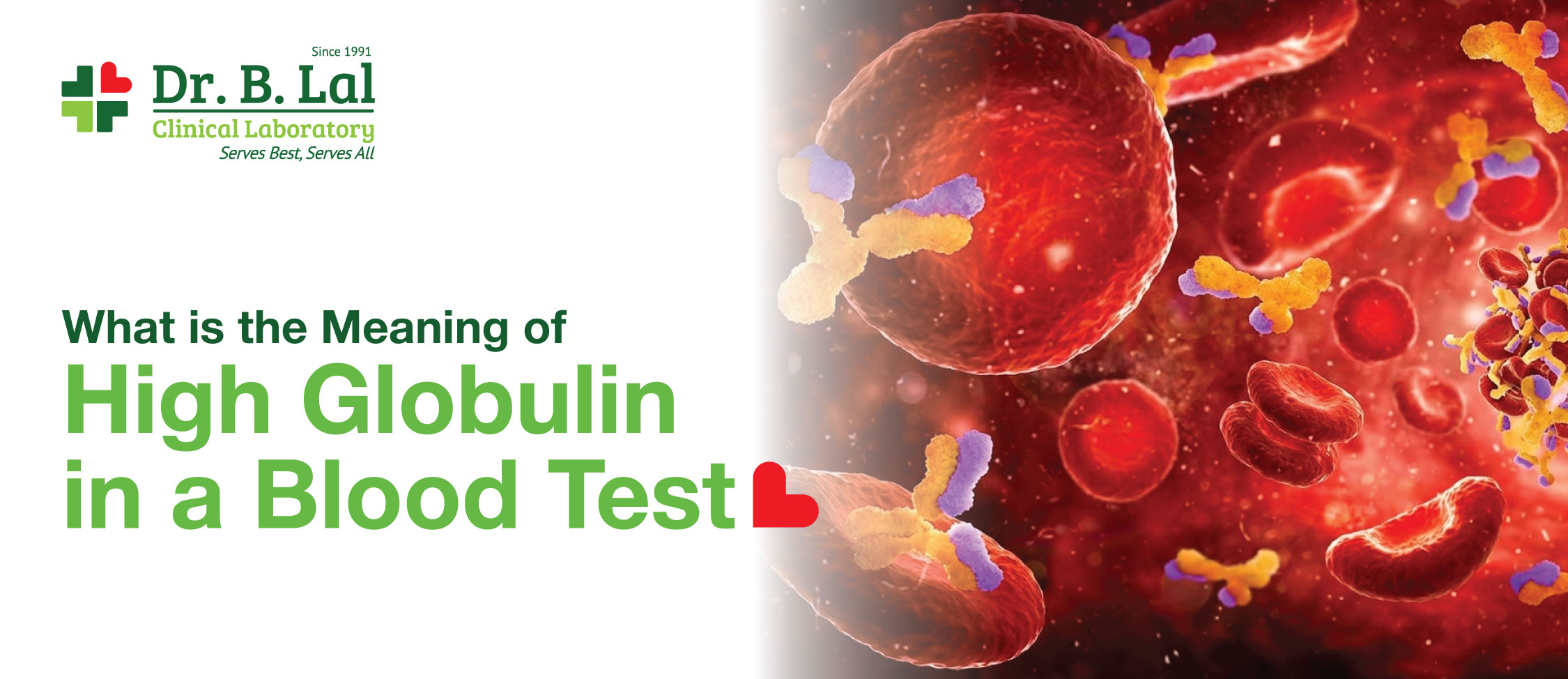
Globulin is a group of proteins in your blood. These proteins play an important role in your body’s defense system and overall functioning.
They help in:
- Fighting infections (antibodies)
- Blood clotting
- Transporting nutrients and hormones
Globulin is usually measured as part of a liver function test (LFT) or total protein test.
What is Considered High Globulin?
Normally, globulin levels range between 2.0 to 3.5 g/dL (this can vary slightly depending on the lab).
When your levels go above this range, it is called hyperglobulinemia (high globulin levels).
Causes of High Globulin Levels
There isn’t just one reason for high globulin. It can happen due to different conditions — some minor, some more serious.
1. Chronic Infections
When your body is constantly fighting infections, it produces more antibodies, which increases globulin levels.
Examples:
- Tuberculosis
- Hepatitis
- HIV
2. Liver Disease
Since globulin is linked to liver function, liver issues can affect its levels.
Conditions include:
- Cirrhosis
- Chronic hepatitis
Sometimes, high globulin with low albumin is a strong indicator of liver dysfunction.
3. Autoimmune Diseases
In these conditions, your immune system mistakenly attacks your own body, leading to increased antibody production.
Examples:
- Rheumatoid arthritis
- Lupus
4. Blood Disorders
Certain blood-related conditions can cause abnormal globulin production.
Examples:
- Multiple myeloma
- Lymphoma
These are rare but more serious causes.
5. Dehydration
Sometimes the reason is simple — low water intake can make protein levels appear higher than they actually are.
Symptoms of High Globulin
High globulin itself doesn’t cause symptoms directly. But you might notice signs related to the underlying issue, like:
- Fatigue
- Weakness
- Frequent infections
- Unexplained weight loss
- Joint pain
If you are having these, better not ignore it.
How is it Diagnosed Further?
If your globulin is high, doctors usually recommend additional tests like:
- Serum protein electrophoresis (SPEP)
- Liver function tests
- Kidney function tests
- Infection screening
These tests help identify the exact cause, because globulin alone cannot tell the full story.
Should You Be Worried?
Not always.
A slightly high globulin level is not a disease, it is just a marker. Many times it is temporary and gets normal on its own
.
But if the levels are significantly high or persist over time, then it should be investigated properly.
How to Manage High Globulin?
There is no direct treatment to “reduce globulin.” The treatment depends on the root cause.
General things you can do:
- Stay hydrated
- Eat a balanced diet
- Follow up with your doctor
- Avoid self-medication
Final Thoughts
High globulin levels in a blood test is basically your body trying to tell something is going on — often related to immunity or inflammation.
The key is not to panic, but also not to ignore it. Proper diagnosis is important, because sometimes small signals can indicate bigger issues later.
If you’ve got a report showing high globulin, it’s always a good idea to consult a doctor and understand what exactly is causing it.
Better to check early than regret later, right.