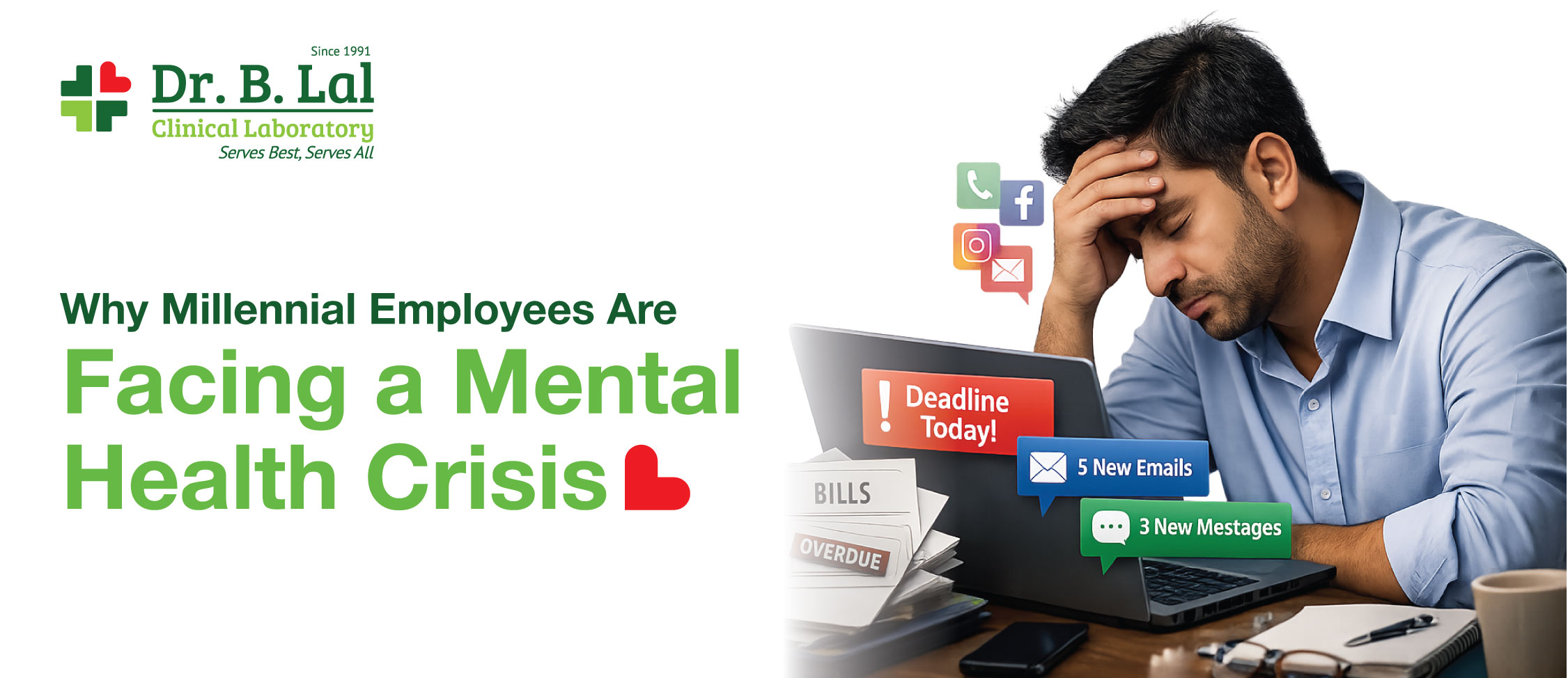
Millennial employees—typically those born between 1981 and 1996—are dealing with a very different mental health reality at work. Anxiety, stress, burnout, and depression are far more common than they were for earlier generations. This didn’t happen overnight. It’s the result of rising financial pressure, constant digital exposure, changing social expectations, and intense workplace demands. To create healthier work environments, it’s important to first understand what millennials are actually struggling with.
Understanding the Mental Health Challenges Millennials Face
A lot of folks from the millennial generation became adults right when the economy was really weak. When they finish school, they often hit a tough job market, have a ton of student loan debt, and wages just aren't keeping up. This all adds up to a really unstable financial future for a long time.It’s still true that paychecks just don't stretch as far as they used to with everything getting so much more expensive.So, big life steps, things like getting a house, having kids, or just saving some money, often seem put off or totally impossible. That just creates a lot of stress that never really goes away.
Millennials, aside from their financial situations, are also the first generation who've always had the internet in their lives.They're really good at adapting and great with tech, but the downside is work can feel like it never really stops. Messages, emails, and notifications kind of mess up the difference between your work life and your personal life. It makes you feel like you always have to be there, ready to respond.Then there's social media, which just adds another layer to everything, always making you compare yourself to others and feel like you're not quite keeping up.Things like climate change, political problems, and not knowing what the economy will do all add to people feeling worried about what's next.
You know, a lot of older millennials are really in the thick of it – they're part of what we call the “sandwich generation.” They're trying to keep up with their careers while also taking care of their parents who are getting older and their young kids at the same time. Even with all the talk about mental health these days, there's still a real problem with the shame attached to it, and getting good, affordable help is just tough for so many folks.
Workplace Pressures and Lifestyle Factors Behind Burnout
Workplace culture plays a major role in millennial burnout. Many organizations still operate in an “always-on” mode, where productivity is prioritized over balance. Long hours, aggressive deadlines, and the expectation to respond after work hours lead to chronic stress and exhaustion.
Burnout often shows up as emotional fatigue, disengagement, and a loss of motivation. Hustle culture has normalized overwork, encouraging employees to push themselves beyond healthy limits. For millennials, who were often raised with a strong focus on achievement, this can lead to perfectionism, imposter syndrome, and fear of failure. When hard work doesn’t result in fair pay, growth, or recognition, frustration and disengagement follow.
Poor leadership, lack of feedback, and limited development opportunities make things worse. Combined with personal responsibilities and constant digital stimulation, these pressures create an environment where mental health can quickly decline.
How Poor Mental Health Impacts Productivity and Organizations
Bad mental health isn't just about one person.Businesses feel it too.When people get stressed or anxious, they often take time off, which means more folks are out sick.It's even worse when people are physically at work but they're not really *there*—they can't focus, think up new ideas, or do their best work.
Being burned out also makes more people quit their jobs, especially younger workers, who are more ready to leave bad work situations.Replacing staff is expensive, both for the budget and for morale.When teams lose people, it's not just about their skills walking out the door. The team's spirit goes down, and it gets harder for everyone to work together.Eventually, this really messes with the vibe at work, drives up healthcare expenses, and just drags down how well the business does everything.
The Role of Corporate Wellness Programs
It's clear that a lot of companies are starting to react to this by making their corporate wellness programs bigger, bringing mental health support into the mix.Good programs aren't just about quick fixes or surface-level actions.They've got some good stuff like Employee Assistance Programs (EAPs) and confidential counseling. You can also get financial advice and even talk to mental health pros.
Now, some companies actually offer things like online therapy, mental health coaching, and even workshops to help with stress.Things like flexible hours, working from home, and enough paid time off really matter.If folks really understand these perks and feel like it's okay to actually use them, they're much more likely to do so without any worry.
Building a Mentally Healthy and Resilient Workforce
I think helping millennials with their mental health isn't just about starting new programs. It really needs a shift in how we think about things overall."It's true that leaders are a big deal."When bosses learn to spot stress early, talk with understanding, and actually respect boundaries, their team members feel way safer and more supported.
When we talk openly about mental health, it really helps to lessen the shame people feel.Spreading the word, setting up groups where employees can help each other, and having leaders actually show they care can truly make a difference. Paying people fairly, showing them how they can grow in their careers, and genuinely recognizing their work really helps cut down on money worries and stress about how they're doing.
Creating a sense of belonging at work matters. When employees feel valued, trusted, and connected to their purpose, they’re better equipped to handle ongoing challenges and build long-term resilience.
Conclusion
Millennial mental health challenges are deeply connected to economic pressure, demanding work cultures, digital overload, and global uncertainty. Addressing these issues requires more than quick fixes. Organizations that invest in supportive leadership, meaningful wellness initiatives, and healthier workplace norms can help their millennial workforce not just cope—but grow, stay engaged, and thrive.