
 +91 9166125555


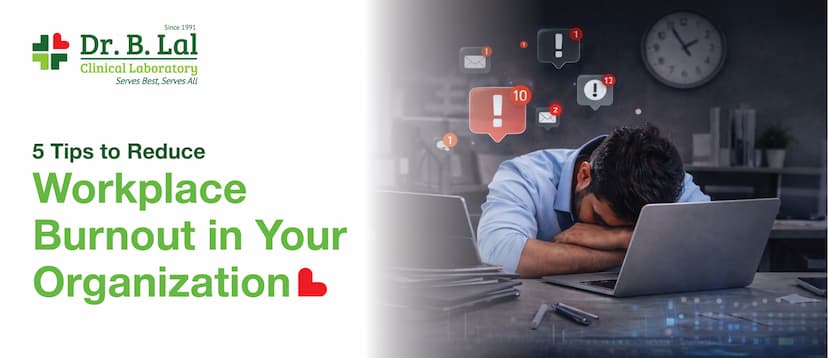
Workplace burnout is something almost every organization is facing today, even if no one talks about it openly. People are tired, mentally and sometimes physically too. Work keeps coming, messages don’t really stop, and for many employees it feels like work is always running in the background.
Burnout doesn’t happen suddenly. It builds slowly. First motivation drops, then focus goes down, and after some time people just feel drained. This is not only an employee issue, it’s an organization level problem. And if it’s ignored for long, it starts showing in productivity, engagement, and attrition.
The good thing is, reducing burnout does not always need big policies or expensive wellness programs. Small changes, done consistently, can actually help a lot. Below are 5 simple tips to reduce workplace burnout in your organization.
Most employees don’t mind putting extra effort when required. What really affects them is when work never seems to end. Late night emails, weekend calls, and messages during leaves slowly create pressure, even if nobody says it openly.
Organizations should be clear about working hours and expectations. If something can wait till tomorrow, it should probably wait. Managers play a big role here. When leaders send messages late at night, team members feel they also need to respond, even if it’s not said directly.
Respecting personal time, leaves, and holidays sounds basic, but many workplaces still struggle with it.
Many employees feel stressed or burned out but don’t speak about it. Some fear it may be seen as weakness, others feel nothing will really change.
Creating space for open conversations is important. This can be through regular one-on-one discussions, casual check-ins, or even anonymous feedback forms. Employees should feel safe enough to say when workload is getting too much.
Not every conversation needs an instant solution. Sometimes listening itself helps more than we think.
Burnout often affects the same people again and again. Usually the ones who are reliable and deliver work on time. Since they handle things well, they end up getting more work.
Managers should regularly review workload distribution. Constant urgency and unrealistic timelines slowly exhaust people. Not everything is equally urgent, but sometimes it is treated that way.
Clear priorities, realistic deadlines, and a bit of flexibility can reduce a lot of unnecessary stress.
Many organizations talk about employee well-being, but employees don’t always feel it in daily work. Well-being is not just about wellness emails or online sessions.
Sometimes it’s about allowing flexibility when someone is going through a tough phase. Sometimes it’s about encouraging breaks, or not expecting people to be available all the time.
Mental health needs to be taken seriously, just like physical health. When employees feel supported, they automatically become more engaged at work.
Lack of appreciation is a quiet reason behind burnout. When people work hard every day but don’t feel noticed, motivation slowly drops.
Recognition does not need to be formal or expensive. A simple message, a mention in a meeting, or a genuine thank you can make a big difference.
It’s also important to appreciate effort, consistency, and learning, not only final results. Feeling valued gives people energy to continue, even during stressful periods.
Burnout affects more than just individuals. It affects team morale, work quality, and long-term growth. Burned-out employees are more likely to disengage, take frequent breaks, or leave the organization altogether.
On the other hand, organizations that care about burnout usually have better retention, stronger teams, and healthier work culture. People perform better when they don’t feel constantly exhausted.
Reducing workplace burnout is not about lowering expectations or pushing people less. It’s about creating an environment where people can work well without feeling overwhelmed all the time.
Listening to employees, respecting their time, and appreciating their efforts sounds simple, but it works. Small actions, done regularly, can create a big change in how people feel about work.
A healthier workplace helps everyone, employees as well as the organization.





 Add Tests & Packages