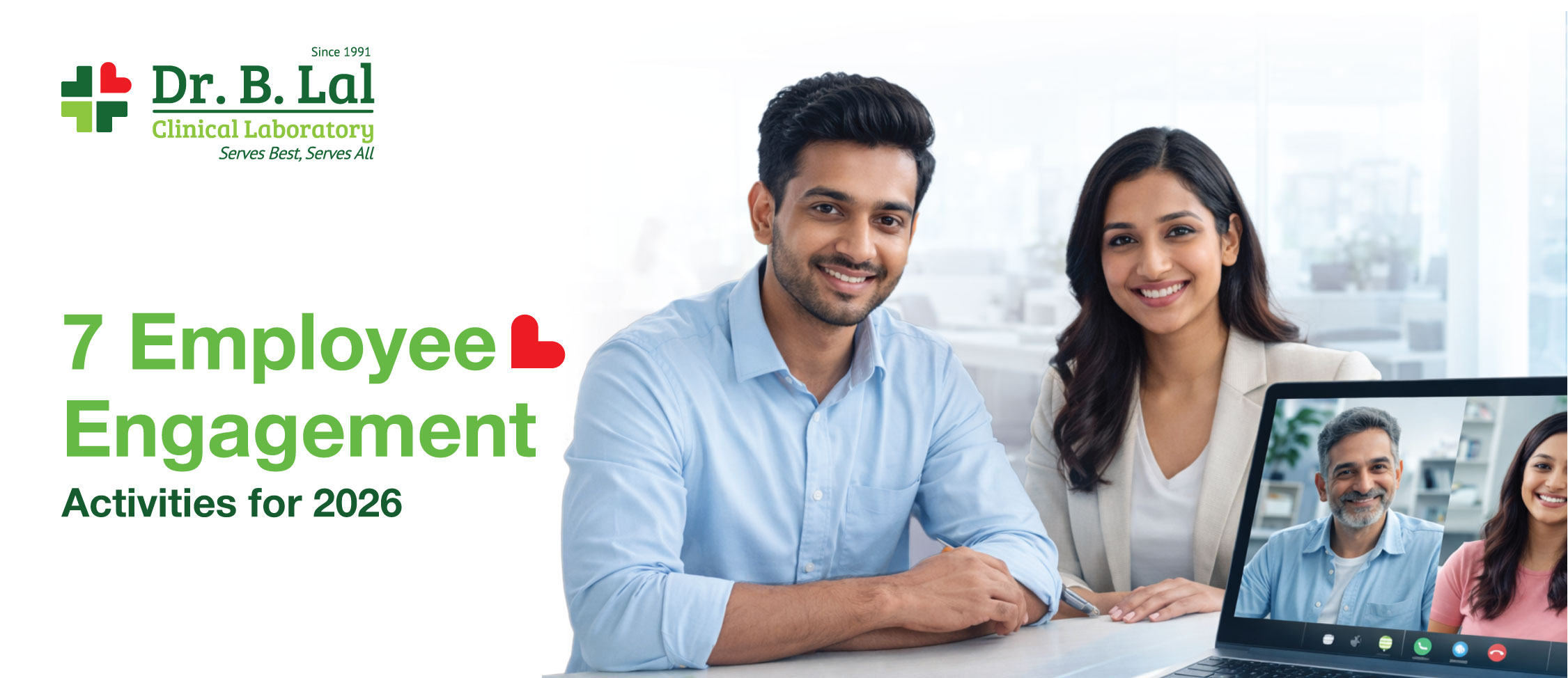
Employee engagement is changing fast. What worked a few years back — long meetings, generic team outings, or one-time fun activities — doesn’t really connect with employees anymore. People today want more meaning, flexibility, and real connection at work.
As we move into 2026, employee engagement is no longer about doing “extra” activities. It’s about creating moments where employees feel involved, valued, and heard. Small, thoughtful initiatives can often do more than big events that feel forced.
Here are 7 employee engagement activities for 2026 that organizations can realistically implement and actually see impact from.
1. Monthly “No-Meeting” Days
One simple but powerful engagement activity is introducing a no-meeting day once a month. Meetings consume a lot of mental energy, and sometimes people just need uninterrupted time to focus on their work.
On these days:
- No internal meetings are scheduled
- Employees can plan deep work
- Teams feel less rushed and more in control
It may sound small, but many employees appreciate this more than you expect. It also sends a message that the organization respects their time and focus.
2. Skill-Swap Sessions Between Teams
In 2026, learning does not have to come only from formal training programs. Some of the best learning happens internally.
Skill-swap sessions allow employees to teach each other. For example:
- A marketer teaching basic presentation skills
- A finance team member explaining budgeting basics
- A tech team sharing productivity tools
These sessions build confidence, cross-team understanding, and informal connections. They also make people feel valued for what they know, not just for their job title.
3. Flexible Work Hours Experiments
Flexibility is no longer a “benefit,” it’s an expectation. One engagement activity for 2026 could be experimenting with flexible work hours for a trial period.
Instead of strict 9-to-6 timings, teams can:
- Choose their working hours within a range
- Focus on output rather than time
- Manage personal commitments better
Even a short pilot can increase trust and satisfaction. Employees feel more responsible when flexibility is given, not taken away.
Also Read: Great Place to Work
4. Recognition Weeks (Not Just One Day)
Most organizations have an annual appreciation day, but appreciation should not feel rushed.
A recognition week allows teams to slow down and genuinely acknowledge efforts. During this week:
- Managers can give personal shout-outs
- Teams can appreciate each other
- Small wins are celebrated
Recognition doesn’t have to be expensive. Even handwritten notes, internal posts, or team emails can make people feel noticed.
5. Employee-Led Interest Groups
In 2026, engagement is also about belonging. Employee-led interest groups help people connect beyond work tasks.
These could be:
- Fitness or walking groups
- Book or movie clubs
- Photography or art groups
- Mental wellness circles
The key is that these groups are led by employees, not HR. The organization only supports with space or time. When employees connect over shared interests, workplace relationships feel more natural.
6. Quarterly Open Conversations with Leadership
One-way communication doesn’t engage employees anymore. People want transparency and honest conversations.
Quarterly open sessions with leadership — without heavy presentations — can work well. Employees can ask questions, share feedback, or just listen.
These conversations build trust. Even if all issues can’t be solved immediately, employees appreciate being heard. It makes leadership feel more approachable and human.
7. Purpose-Driven Team Activities
Employees in 2026 care deeply about purpose. Engagement activities that connect work to a larger cause feel more meaningful.
Examples include:
- Volunteering as a team
- Supporting local communities
- Environmental initiatives
- Skill-based volunteering
Purpose-driven activities create emotional connection, not just temporary excitement. Employees feel proud to be part of an organization that stands for something beyond profits.
Why Employee Engagement Will Matter Even More in 2026
Engaged employees are more productive, more loyal, and more motivated. But engagement cannot be forced. It grows when employees feel respected, involved, and connected.
In 2026, engagement will be less about events and more about everyday experience at work. Organizations that listen, adapt, and involve employees in decisions will naturally see better engagement.
Final Thoughts
Employee engagement activities for 2026 should feel real, not performative. People can sense when activities are done just for show. Focus on simplicity, consistency, and genuine intent. When employees feel trusted and valued, engagement follows naturally.
Sometimes, the most effective engagement activity is simply creating a workplace where people want to show up every day.