
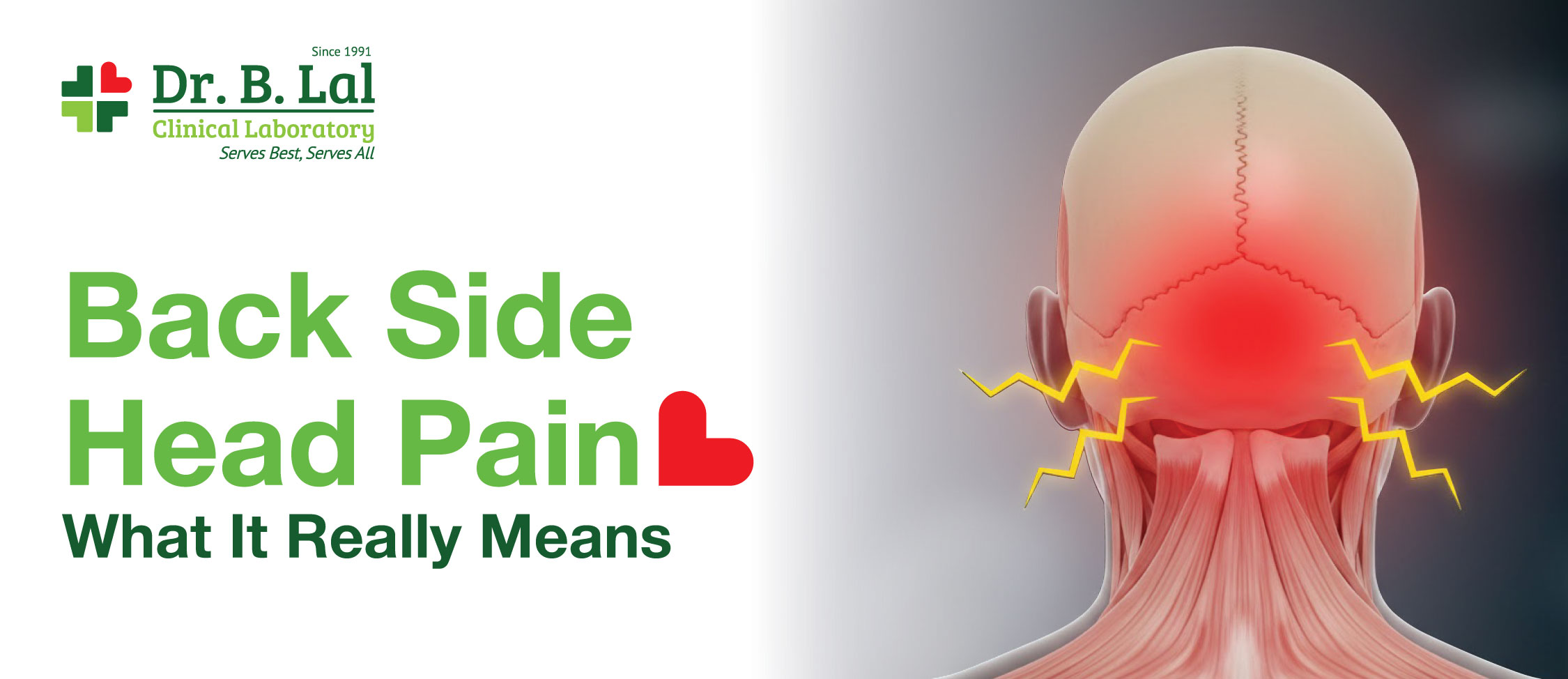
Pain at the back of the head is something many people experience at least once, yet it often gets ignored or misunderstood. Some assume it’s just stress, others blame a bad pillow or long hours on the phone. But back side head pain can have multiple causes — some harmless, some that need attention.
The tricky part is that pain in this area doesn’t always come from the head itself. Muscles, nerves, posture, blood pressure, even stress levels can play a role. Understanding what your body is trying to tell you is important, especially if the pain keeps coming back.
In this blog, we’ll break down what back side head pain really means, its common causes, symptoms to watch for, when to worry, and how it is usually diagnosed and managed.
What Is Back Side Head Pain?
Back side head pain refers to discomfort or aching felt at the rear portion of the head, usually around:
- The base of the skull
- Upper neck region
- Behind the ears
- Sometimes spreading to the shoulders
The pain may feel dull, tight, throbbing, or sharp depending on the cause. For some people, it comes and goes. For others, it lingers for hours or even days.
Why Does Pain Occur at the Back of the Head?
The back of the head has a complex network of:
- Muscles
- Nerves
- Blood vessels
- Cervical spine (neck bones)
Any strain, irritation, or imbalance in these structures can lead to pain. That’s why back side head pain is often linked to neck issues rather than brain problems.
Common Causes of Back Side Head Pain
1. Tension Headache
This is the most common cause of pain at the back of the head.
Tension headaches usually occur due to:
- Stress and anxiety
- Poor posture
- Long hours on laptop or mobile
- Tight neck and shoulder muscles
The pain is often described as a tight band or pressure around the head, with more heaviness felt at the back.
Key signs:
- Mild to moderate pain
- Feeling of tightness
- Neck stiffness
- No nausea or vomiting
2. Cervicogenic Headache (Neck-Related Headache)
This type of headache starts from the neck and radiates to the back of the head.
Common triggers include:
- Poor sitting posture
- Sudden neck movements
- Cervical spine problems
- Old neck injury
In this case, back side head pain worsens with neck movement and may reduce with rest or physiotherapy.
3. Occipital Neuralgia
Occipital neuralgia occurs when the occipital nerves (running from the neck to the scalp) become irritated or compressed.
The pain is usually:
- Sharp or shooting
- Sudden and intense
- Felt on one or both sides at the back of the head
Sometimes it feels like an electric shock, which can be scary but is often nerve-related
4. Poor Sleeping Posture or Pillow Issues
Sleeping with:
- Very high or very flat pillows
- Incorrect neck alignment
- Sleeping on stomach for long hours
can strain neck muscles and cause morning back side head pain.
If pain improves as the day progresses, sleeping posture is often the culprit.
5. High Blood Pressure
In some people, especially when blood pressure is very high, pain may occur at the back of the head.
This pain is usually:
- Worse in the morning
- Dull and heavy
- Associated with dizziness or blurred vision
Although not every headache is related to BP, persistent back side head pain should not be ignored in people with hypertension.
6. Stress and Mental Fatigue
Emotional stress doesn’t just affect the mind — it tightens muscles too. Prolonged stress can cause muscle tension in the neck and scalp, leading to recurring pain at the back of the head.
Many people notice this pain more during:
- Work pressure
- Lack of sleep
- Anxiety episodes
Less Common but Important Causes
While most cases are not serious, sometimes back side head pain may be linked to conditions like:
- Cervical spondylosis
- Migraine variants
- Dehydration
- Sinus-related issues (rarely felt at back)
Very rarely, severe or sudden pain may point to something more serious, which is why understanding warning signs is important.
Symptoms That Often Come With Back Side Head Pain
Depending on the cause, you may also notice:
- Neck stiffness
- Shoulder tightness
- Reduced neck movement
- Sensitivity to touch on scalp
- Fatigue
- Mild dizziness
The pattern and associated symptoms often help doctors narrow down the cause.
When Should You Worry?
You should seek medical attention if back side head pain:
- Is sudden and extremely severe
- Wakes you up from sleep
- Is accompanied by fever, vomiting, or confusion
- Comes with weakness, numbness, or vision problems
- Keeps getting worse over time
These signs don’t always mean something serious, but they do need evaluation.
How Is Back Side Head Pain Diagnosed?
Diagnosis usually starts with a detailed discussion of:
- Pain location and duration
- Triggers and relieving factors
- Work posture and lifestyle
- Sleep habits
Depending on findings, doctors may advise:
- Blood pressure check
- Blood tests (if deficiency or infection suspected)
- X-ray or MRI of cervical spine (in selected cases)
Most of the time, extensive tests are not required.
How Is Back Side Head Pain Treated?
Treatment depends entirely on the underlying cause. That’s why self-medicating repeatedly is not ideal.
Common management includes:
- Improving posture
- Neck stretching and exercises
- Stress management
- Adequate hydration
- Proper pillow and sleep position
In some cases, doctors may prescribe:
- Muscle relaxants
- Pain relievers (short-term)
- Physiotherapy
Nerve-related pain like occipital neuralgia may need targeted treatment.
Can Lifestyle Changes Help?
Absolutely. In fact, lifestyle correction is often the most effective long-term solution.
Simple steps like:
- Taking breaks from screen every 30–40 minutes
- Keeping screens at eye level
- Sleeping on a medium-firm pillow
- Managing stress
can reduce recurrence of back side head pain significantly.
Final Thoughts
Back side head pain is usually not dangerous, but it should not be ignored either. Most cases are linked to muscle tension, posture issues, or neck-related problems — all of which are manageable with timely care.
The key is to listen to your body. If the frequent head pain, persistent, or changing in nature, getting it evaluated early can prevent long-term discomfort.
Sometimes, your head pain is simply your body asking you to slow down, stretch a little, and take better care of yourself.