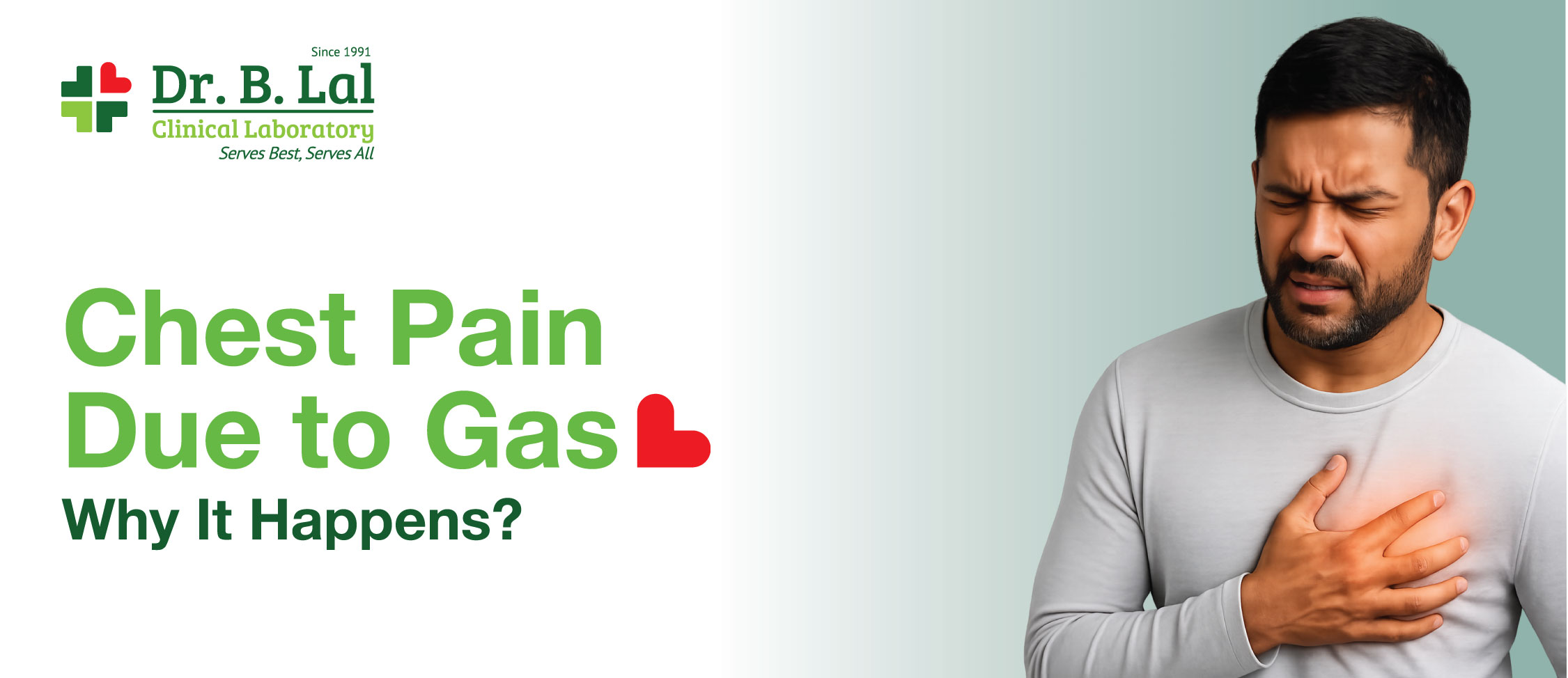
A very common reason, and surprisingly simple one, is gas. Yes, gas trapped in the stomach or intestines can actually cause chest pain. And the pain can feel real, sharp, uncomfortable, and scary.
Chest pain due to gas can feel tight, burning, heavy, or sometimes just strange pressure. Because the pain is in the chest area, people often assume the worst. Stress kicks in, breathing changes, and the pain feels even stronger than before.
In this article, we’ll talk about why chest pain due to gas happens, how it feels, how it is different from heart pain, and what you can do to reduce it. Nothing over-complicated, just things you should know.
What Is Chest Pain Due to Gas?
Chest pain due to gas happens when extra air gets trapped in the digestive system. This air builds pressure inside the stomach or intestines. Since these organs sit just below the chest, the pressure often moves upward and feels like chest pain.
The pain is not coming from the heart. It’s not coming from the lungs either. But the body doesn’t clearly tell you where it’s coming from, so it feels like chest pain, and that’s where the confusion starts.
This pain often shows up after meals. Especially after heavy food, spicy food, or overeating. Many people notice it gets worse when lying down or bending forward. Relief often comes after burping, passing gas, or sometimes just after walking a bit.
Why Does Chest Pain Due to Gas Happen?
There isn’t one single reason. Gas-related chest pain happens due to a mix of habits, digestion issues, and lifestyle factors.
Trapped Gas in the Stomach
When gas gets stuck in the upper part of the stomach, it pushes against the diaphragm. The diaphragm sits very close to the heart and lungs. Because of this, the pressure feels like it’s coming from the chest.
Sometimes the pain moves to the shoulder or upper back. This makes people more worried because shoulder pain is often linked to heart issues. But in many cases, it’s still gas.
Acid Reflux with Gas
Acid reflux is very common and often ignored. When stomach acid moves up into the food pipe, it usually comes with gas and bloating. The burning sensation in the chest can feel very similar to heart pain.
Many people experience this after late-night meals or spicy food. First-time reflux episodes are especially scary.
Swallowing Too Much Air
This happens more than people think. Eating fast, talking while eating, chewing gum all day, smoking, drinking soda — all these things increase air swallowing.
That extra air doesn’t disappear. It stays in the stomach and creates pressure. Over time, that pressure turns into discomfort and chest pain.
Indigestion and Slow Digestion
When digestion is slow, food stays in the stomach longer. Gas forms. Bloating happens. Chest pain can appear, especially after oily or heavy meals.
People often ignore indigestion until chest pain starts. By then, anxiety already adds fuel to the problem.
Gas in the Intestines
Gas doesn’t always stay in the stomach. It moves into the intestines too. When it collects in the upper colon, the pain can be felt in the chest even though the issue is lower down.
This is called referred pain, but most people don’t know that term. They just know something feels wrong.
How Does Chest Pain Due to Gas Feel?
This type of chest pain doesn’t feel the same for everyone. It can change from day to day also. Some common feelings include:
- Sharp pain that comes suddenly
- Tight or heavy feeling in the chest
- Burning sensation behind the chest bone
- Pain that comes and goes
- Relief after burping or passing gas
One important thing is that gas-related chest pain often changes with position. Lying flat makes it worse. Sitting up or walking slowly sometimes helps.
Chest Pain Due to Gas vs Heart Pain
This is where things get tricky.
Chest pain due to gas usually:
- Starts after eating
- Comes with bloating or acidity
- Improves after gas release
- Shifts location slightly
Heart-related chest pain usually:
- Spreads to arm, jaw, or neck
- Comes with sweating or breathlessness
- Feels like strong pressure
- Does not improve with antacids
Still, if pain feels severe or different than usual, it’s better to get checked. Guessing is risky.
Stress Makes It Worse, Always
Stress and anxiety make gas problems worse. When someone is stressed, breathing becomes fast and shallow. More air goes in. Digestion slows down.
Then gas increases. Chest pain increases. Anxiety increases again. It becomes a loop, and breaking that loop is important.
Many people don’t realize how much stress affects digestion until they experience this kind of pain.
Common Triggers You Should Watch Out For
Some foods and habits are known to trigger chest pain due to gas:
- Spicy and fried food
- Cold drinks and soda
- Beans, cabbage, cauliflower
- Dairy (for some people)
- Eating late at night
- Sleeping immediately after meals
Everyone reacts differently. What affects one person may not affect another.
How to Reduce Chest Pain Due to Gas
You don’t always need medicine. Small changes help more than people expect.
- Walk after meals, even for 10 minutes
- Eat slowly, don’t rush meals
- Avoid foods that cause bloating
- Sit upright after eating
- Use gas medicine only when needed
- Try basic stress control like deep breathing
Consistency matters more than anything else here.
When You Should Not Ignore It
See a doctor if:
- Chest pain is severe
- Pain spreads to arm or jaw
- You feel dizzy or breathless
- You already have heart problems
- Pain keeps coming back
Doctors may do ECG or blood tests just to be safe.
Final Thoughts
Chest pain due to gas is uncomfortable and honestly very scary when it happens the first time. In most cases, it’s not dangerous. But repeated pain should not be ignored.
Better eating habits, stress control, and understanding your body can reduce these episodes a lot. Don’t panic, but don’t dismiss symptoms either.
When something doesn’t feel right, getting checked is always better than overthinking.