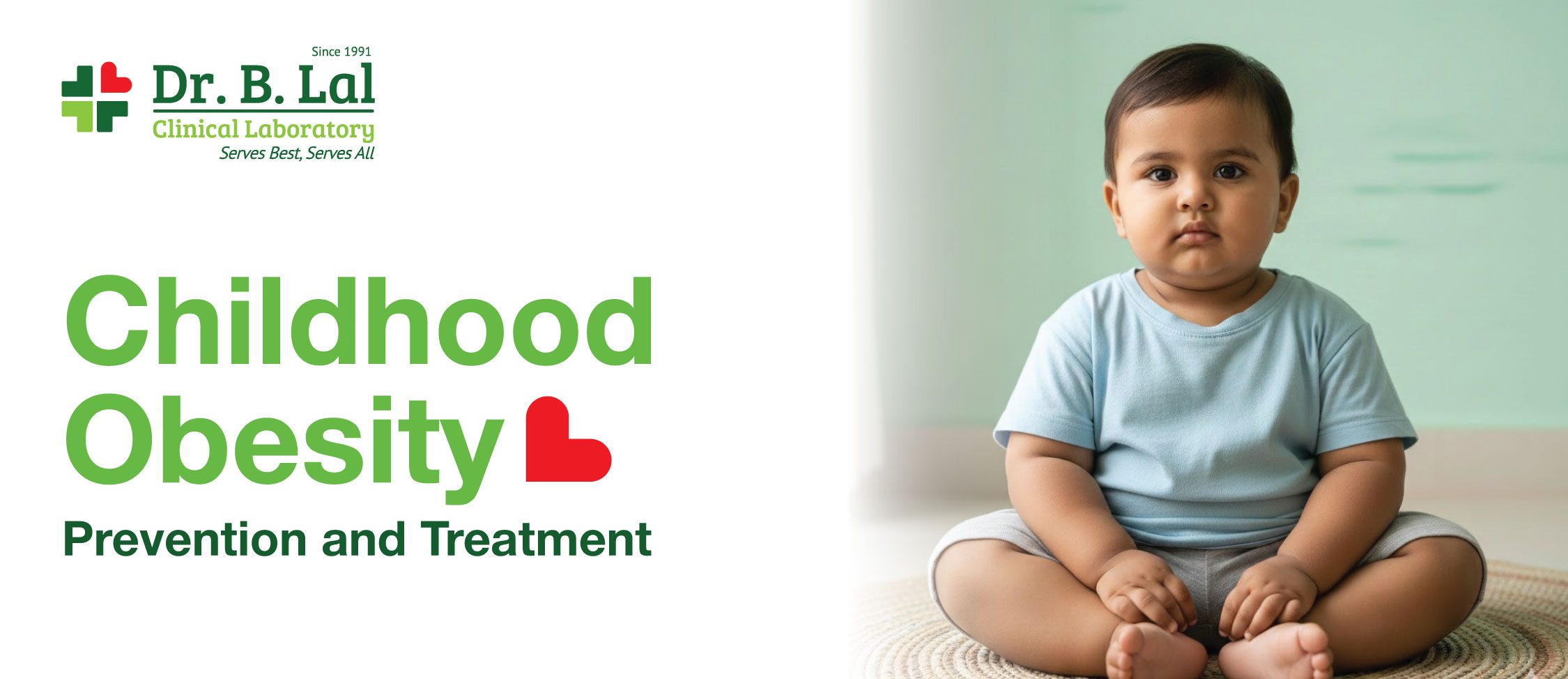
Childhood obesity involves a child's carrying weight, far in excess of what is considered healthy for age and height, with abnormal body fat causing serious health risks. This is currently one of the major concerns in India, as parents generally believe that if their child is overweight, it means it is healthy or will "outgrow" it. This is a serious misconception, as childhood obesity in this manner is generally responsible for health concerns being faced in adulthood only.
What is Childhood Obesity?
Being overweight in children is known to be a healthcare situation that can be described based on excessive body fat in children. It can be detected based on certain growth curves that help measure Body Mass Index percentiles of children. It has become an increasing scenario in Indian society due to urbanization. It further reveals that being overweight can be a barrier to sound development in children too. Identification of overweight in children at a young age can be a good approach to manage it.
Why is Childhood Obesity Important for Your Child's Health?
The effects of childhood obesity are serious, as it significantly elevates a person’s vulnerability to having a myriad of chronic ailments that were once ordinary in adults. This is a rising concern within the Indian population.
- Chronic Diseases: Higher risk of Type 2 Diabetes, high blood pressure, and high cholesterol, leading to increased risk of heart disease and stroke in adulthood.
- Musculoskeletal Problem: The excess weight puts strain on the developing bones and joints of the child.
- Respiratory Problems: Can lead to breathing difficulties like asthma and sleep apnea (snoring, interrupted breathing), affecting sleep quality and daytime function.
- Psychological and Social Impact: Effects: Such cases usually lead to bullying, low self-esteem, depression, and even cases of anxiety in many affected students.
- Liver Problems: Increased risk of Non-alcoholic Fatty Liver Disease (NAFLD).
- Hormonal Imbalances: May cause early puberty in girls, delayed puberty in boys, and conditions like Polycystic Ovary Syndrome (PCOS).
- Poor Physical Endurance: Children may struggle to keep up during activities, reducing engagement in healthy habits.
Symptoms and Risk Factors of Childhood Obesity
Recognizing the signs and understanding contributing factors are key to intervention.
Observable Symptoms:
- Excess Fat
- Poor Stamina
- Short of breath
- Loud snoring.
- Frequent joint pain (knees, ankles, hips).
- Stretch marks or darkened, thickened skin.
- Consistent fatigue
- Acid reflux,
- Puberty abnormalities.
Key Risk Factors:
- Often eat processed foods, fast food, sugary drinks, sweets; low intake of fruits, vegetables, and whole grains.
- No activity, high screen time. Limited outdoor play in urban India.
- Family history of obesity combined with shared unhealthy lifestyles.
- Insufficient sleep disrupting appetite-regulating hormones.
- Stress: Emotional eating triggered by personal or family stress.
The Importance of Diagnostic Testing
The identification of childhood obesity in its early stages is crucial in order to successfully deal with it. The diagnostic test determines the presence of the condition and the health problems associated with it.
- Regular Pediatric Check-ups: Helpful for weight and height measurements.
- Growth Charts & BMI: The measurements are charted on age- and sex-appropriate growth charts (e.g., IAP-2015 for children aged 5-18 years and WHO charts for children under 5 years). The charted value is used to determine either overweight (in the 85-94th percentile) or obese (in >= 95th percentile).
- Waist Circumference: Regularly measured for overweight/obese children in India, it is an important indicator of cardiometabolic risk factors..
- Blood Tests: If obesity is detected, tests may screen for associated conditions: Blood Sugar, Lipid Profile, Liver Function Tests, Thyroid Function Tests, Vitamin D Levels.
- Early Detection & Intervention: These tests offer critical insights, enabling healthcare professionals to guide parents on lifestyle modifications, preventing progression and promoting long-term health.
When to Consult a Doctor or Get Tested
It can be hard to objectively determine whether a child is at a healthy weight; medical guidance from a professional is important. See a paediatrician or general practitioner if:
- Weight Issues: The child gains weight quickly, or seemingly overnight, your child appears much heavier than other children of the same age.
- Obesity Symptoms: Your child shows symptoms of breathlessness, pain in the joints, snoring, constant tiredness, or darkened skin patches.
- Family History: This would be a history of obesity, diabetes, or heart disease in the family.
- Routine follow-ups: Regular pediatric follow-ups should be ensured, where weight and height will be measured regarding BMI.
- Doctor's Advice: Always follow advice on follow-up appointments and diagnostic tests recommended.
It is essential to consult early in the disease course, with timely and appropriate diagnostic testing being crucial to effective health management.
Conclusion
Childhood Obesity in India is a grave health concern for now and later on, but thankfully, it is preventable and manageable too! We are aware of its impacts and how we should be able to recognize the signs and accompanying factors; hence, it is necessary for us to incorporate the Right Approach to Health and live fit and fine too! The right consultations from doctors and right health diagnosis are necessary to cope with this growing concern too! Let’s drum into our kids the precious gift of health and create our bright and healthy future!