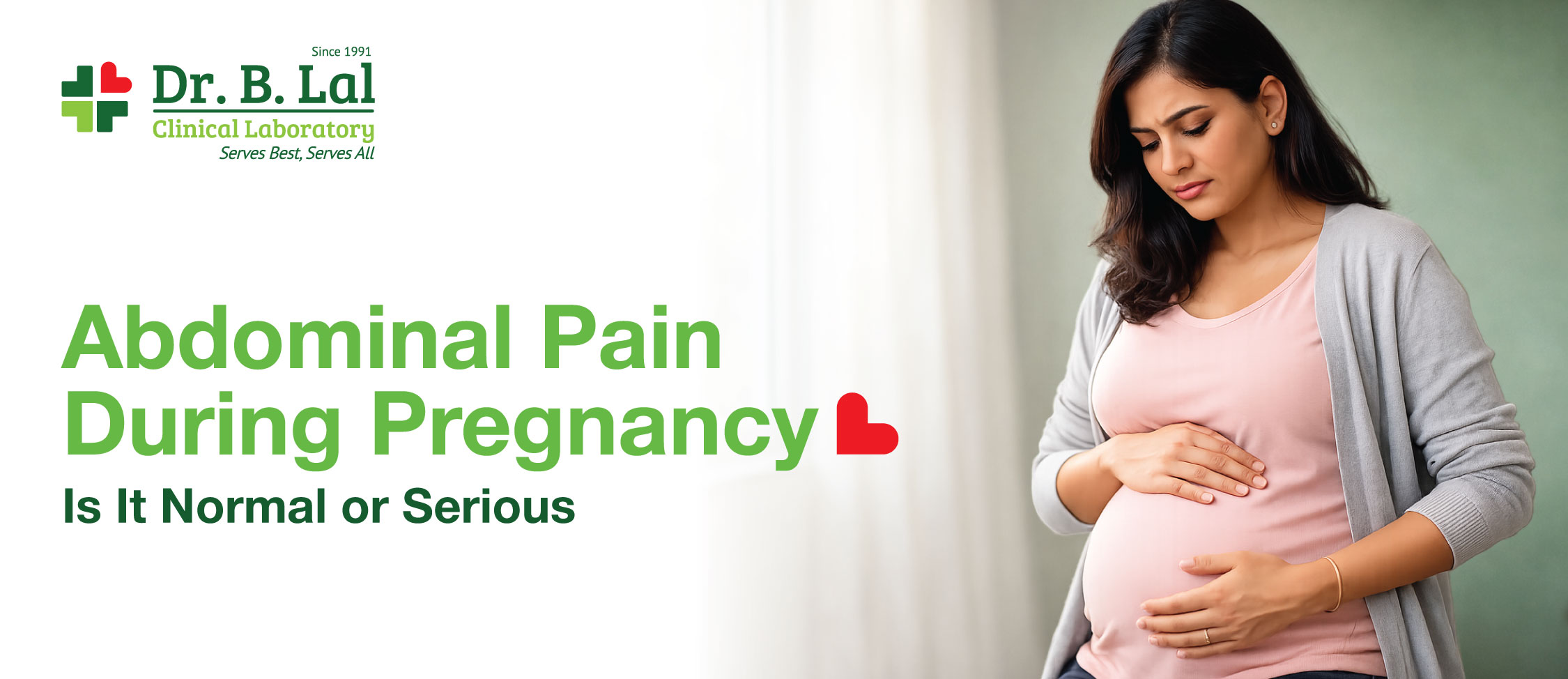
Abdominal pain in expectant mothers is the most common concern. These pains could be mild and temporary or stabbing and constant. This often leads women to wonder if it is normal. Most of the time, abdominal pains during pregnancy happen due to your own body’s readjustments, and there could be possible severe problems as well. It is necessary to understand these differences for your own benefit and your baby as well.
Is Abdominal Pain During Pregnancy Normal?
The short answer is: often, yes. This is because your body, and particularly your abdomen, is undergoing tremendous changes. It could be your uterus that's growing and your ligaments that are being stretched, along with your body's hormone levels and, most importantly, an entire life that's being developed inside you. It could be owing to all the above-stated physiological phenomena that you are finding yourself experiencing different sensations within your abdomen.
Causes of Abdominal Pain During Pregnancy
Let's break down the common culprits behind pregnancy-related abdominal discomfort:
Normal, Physiological Causes:
- Implantation Cramps: In the very early stages of pregnancy – 6-12 days post-conception – it is possible to suffer from slight pains as the fertilized egg implants itself alongside the lining of the uterus.
- Uterine Stretching and Growth: As your uterus expands to accommodate your growing baby, it's common to feel mild, generalized discomfort or a sensation of stretching or pulling. This can be felt throughout pregnancy.
- Round Ligament Pain: Usually presents during the second trimester and involves a sudden stabbing pain or an ache, which is sharp and dull and is felt on one side or in the lower abdomen and groin area. The pain is dued to the stretching of the ligaments which hold the uterus and is triggered by sudden actions such as standing up or coughing and sneezing.
- Braxton Hicks Contractions: Also referred to as "practice contractions," these asynchronous, non-rhythmic contractions of the uterus may begin to occur in the second trimester of pregnancy but become more apparent towards the third. Although Braxton Hicks contractions are normally painless and mild, they may be uncomfortable.
- Gas, Bloating, and Constipation: Because the hormones involved in pregnancy cause digestion to take longer, you may experience more gas and constipation.
- Pressure from the Growing Fetus: Your increasing baby will exert pressure on your body parts like organs, muscles, and nerves, causing you aches and pains.
- Pelvic Girdle Pain (PGP): The hormones that help relax your ligaments, especially in your pelvis region. This may give you pain in your lower back, buttocks, groin, or pelvis region, which may also radiate to your lower abs.
Abdominal Pain by Trimester
The timing of your pain can reveal clues to its cause:
- First Trimester: You may have implantation pains, overall stretching pains, and pains from gas and constipation. This is where serious threats, such as ectopic pregnancy (sharp pains on one side, may include bleeding, dizziness), and miscarriage (pains and bleeding), appear.
- Second Trimester: Pain in the round ligament is also characteristic of this trimester. Uterine enlargement, Braxton Hicks, and pressure from the baby may be causing the pain as well. While these are less likely causes, related health considerations for pain would be appendicitis or ovarian cysts..
- Third Trimester: Braxton Hicks' contractions grow stronger in number. You will also feel heightened pressure from your baby and possible heightened pelvic girdle pain. Nevertheless, the second trimester is also the period when alarming symptoms such as the onset of preterm labor (frequent and escalating contractions before the completion of the 37 weeks of gestation accompanied by back pain and pelvic pressure), abruption of the placenta (sudden onset of extreme pain coupled with a rigid abdomen and dark vaginal bleeding), preeclampsia (sudden onset of extreme upper abdominal pain; usually accompanied by headaches, visual disturbances, and hypertension), or uterus rupture (a possible sudden extreme pain in a woman who has undergone a past cesarean section delivery) might develop.
When Abdominal Pain Is NOT Normal
It is essential to be able to differentiate between symptoms of a normal pregnancy and symptoms of problems that need urgent medical care. If you notice any of the following symptoms, you should seek help from your doctor or emergency services:
- Extreme or continuous pain
- Vaginal bleeding.
- Fever or chills.
- Persistent nausea, vomiting, or diarrhea.
- Dizziness
- Shoulder pain
- Painful urination
- Regular, strong, or worsening contractions
- A sudden gush or trickle of fluid from the vagina
- Decreased fetal movement
- Sudden, sharp, one-sided pain
- Upper abdominal ache
How to Relieve Mild Abdominal Pain Safely
For the common, non-concerning types of abdominal discomfort, here are some safe strategies for relief:
- Take Rest
- Change Sleep Position
- Stay Hydrated
- Stay Warmth
- Gentle Movement
- Fiber-Rich Diet
- Avoid Trigger Foods
- Support Belts
- Deep Breathing
When to See a Doctor
When you doubt something is not good, it is always best to call your health care provider. Your doctor is there to support you through a safe pregnancy. Never hesitate to call if:
- Your abdominal pain is mild but bothers you.
- The pain is severe, constant, or worsening.
- You are experiencing any of the "red flag" symptoms listed above..
- You have a history of complications during pregnancy that predispose you to certain conditions.
Conclusion
Pain in the abdominal is an extremely common pregnancy companion, and sometimes it is only your body giving your growing baby some space. It is very important to be able to difference between the usual pains and the warning signals. It is always important to pay close attention to your body, be aware of the key danger signals, and always play it safe by confiding in your healthcare provider with any pregnancy journey.