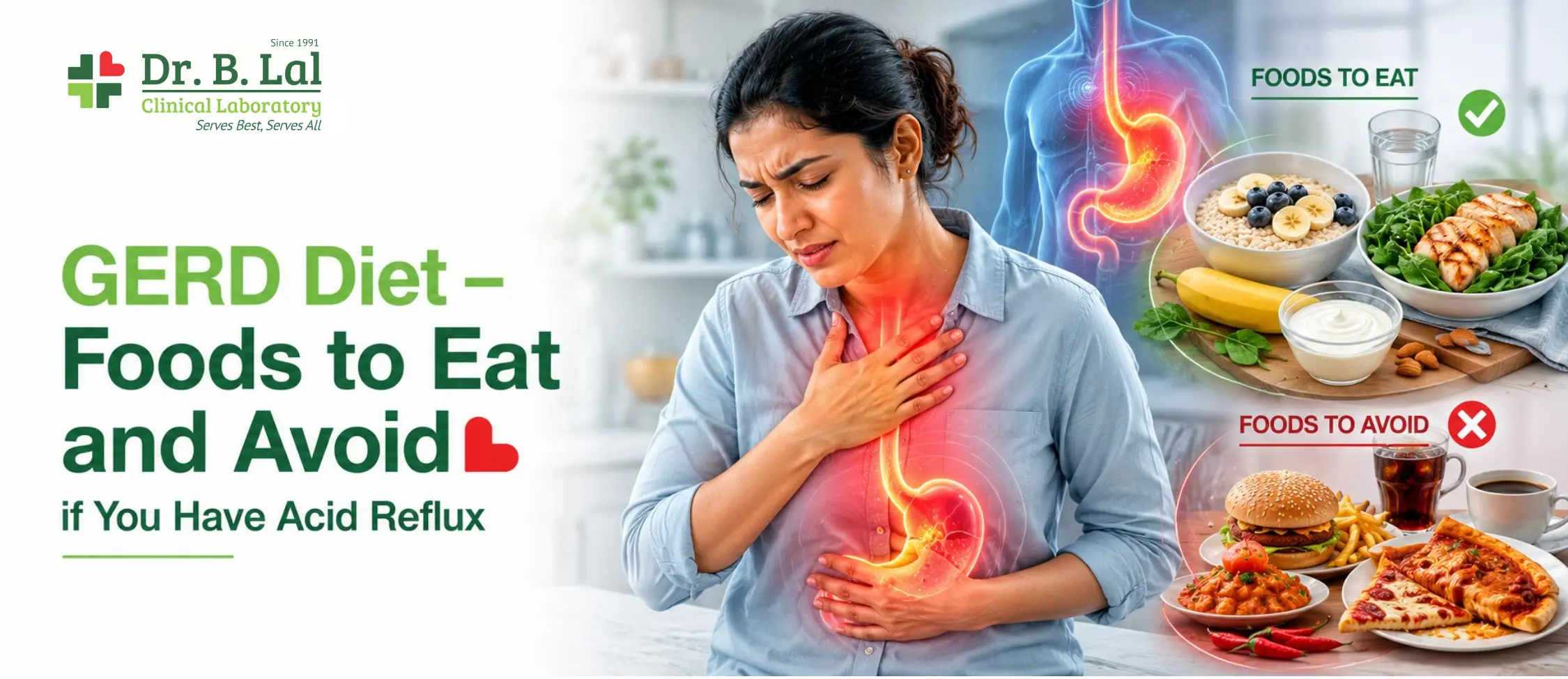
Do you often experience a burning sensation in your chest after meals? Do you feel sour liquid coming back into your throat or mouth? These could be signs of Gastroesophageal Reflux Disease (GERD), a common digestive condition that affects millions of people worldwide.
While medications may be effective in managing the symptoms, your daily diet is one of the key factors that help control the condition. With the right GERD diet, you will have relief from pain.
This article will explore what GERD is, the foods to eat and avoid, and some GERD diet tips for your reference.
What Is GERD?
GERD stands for Gastroesophageal Reflux Disease, which refers to the disease caused by regurgitation of stomach acid into the food pipe.
The GERD is caused by the relaxation or weakening of the lower esophageal, which functions as the valve between the food pipe and the stomach.
Symptoms of GERD are:
- Heartburn
- Acid reflux
- Bitter taste in the mouth
- Difficulty swallowing
- Chronic cough
- Sore throat
- Bloating and burping
- Discomfort in chest after eating
Diet changes are often one of the first recommendations for managing GERD symptoms.
Best Foods to Eat for GERD
Choosing the right foods can help reduce acid production and prevent reflux episodes.
1. Non-Citrus Fruits
Fruits that are low in acid are generally well tolerated by people with GERD.
Good options include:
- Banana
- Apple
- Pear
- Melon
- Papaya
These fruits provide vitamins, minerals, and fiber without triggering acid reflux.
2. Vegetables
Vegetables are naturally low in fat and acid, making them excellent for a GERD-friendly diet.
Recommended vegetables:
- Broccoli
- Carrot
- Cucumber
- Green bean
- Spinach
- Lettuce
- Sweet potato
Steamed, boiled, or roasted vegetables are often easier to digest than fried.
3. Whole Grains
Whole grain are rich in fiber, which helps digestion and may reduce reflux symptoms.
Examples include:
- Oatmeal
- Brown rice
- Whole wheat bread
- Quinoa
- Barley
Oatmeal is especially popular as a breakfast option for people with acid reflux.
4. Lean Protein Sources
Protein is important, but high-fat meats can worsen GERD symptoms.
Choose:
- Skinless chicken
- Turkey
- Fish
- Egg whites
- Tofu
- Lentils and beans
Grilled, baked, or steamed preparations are preferable
5. Low-Fat Dairy Products
Some people tolerate dairy well when it is low in fat.
Options include:
- Low fat milk
- Yogurt
- Cottage cheese
- Low fat curd
If dairy worsens symptoms, consider discussing alternatives with your healthcare provider.
6. Healthy Fats in Moderation
Healthy fats can be included in small amounts.
Examples:
- Avocado
- Nuts
- Seeds
- Olive oil
Avoid consuming large quantities, as excess fat can slow stomach emptying and trigger reflux.
7. Herbal Teas
Certain herbal teas may soothe the digestive tract.
Good choices include:
- Ginger tea
- Chamomile tea
- Fennel tea
Avoid peppermint tea, as it may relax the lower esophageal sphincter and worsen symptoms in some individuals.
Foods to Avoid If You Have GERD
Certain foods are known to trigger acid reflux and should be limited or avoided.
1. Fried and Fatty Foods
High-fat foods stay in the stomach longer and increase pressure on the LES.
Avoid:
- French fries
- Fried snack
- Fast food
- Fatty cuts of meat
2. Spicy Foods
Spicy ingredients can irritate the esophagus and trigger symptoms.
Examples:
- Red chili
- Hot sauces
- Spicy curries
- Pepper-heavy dishes
3. Citrus Fruits
These fruits are highly acidic and may worsen heartburn.
Limit:
- Orange
- Lemon
- Grapefruit
- Mosambi
4. Tomatoes and Tomato-Based Products
Tomatoes naturally contain acids that may trigger reflux.
Examples include:
- Tomato sauce
- Ketchup
- Tomato soup
- Pizza sauce
5. Chocolate
Chocolate contains compounds that can relax the LES, increasing acid reflux risk.
6. Caffeinated Beverages
Excess caffeine may worsen GERD symptoms in some individuals.
Limit:
- Coffee
- Strong tea
- Energy drinks
Certain soft drinks
7. Carbonated Drinks
Fizzy beverages can increase stomach pressure and trigger reflux.
Avoid:
- Soda
- Cola drinks
- Sparkling beverages
8. Alcohol
Alcohol can irritate the digestive tract and weaken the lower esophageal sphincter.
9. Onion and Garlic
Some people who suffer from acid reflux experience worse symptoms when consuming raw onion and garlic.
Watch for any negative effects, and limit consumption accordingly.
Lifestyle Changes to Deal With Acid Reflux
Besides following a GERD food list, you can implement these lifestyle modifications to help the condition:
Smaller Portion Sizes
Eating large portions exerts additional pressure on the stomach.
Do Not Lie Down Immediately After Eating
Make sure not to lie down within two to three hours after eating.
Keep a Normal Body Weight
Extra weight puts additional pressure on the abdomen.
Stay Hydrated
Drink water throughout the day but avoid consuming large amounts during meals.
Elevate the Head of Your Bed
Raising the head of your bed by 6-8 inches can reduce nighttime acid reflux.
Identify Personal Trigger Foods
Food triggers vary from person to person. Keeping a food diary can help identify foods that worsen your symptoms.
Sample GERD-Friendly Meal Plan
Breakfast
- Oatmeal with banana slices
- Herbal tea
Mid-Morning Snack
- Apple
- Handful of almond
Lunch
- Grilled chicken
- Brown rice
- Steamed vegetables
Evening Snack
- Low-fat yogurt
Dinner
- Baked fish
- Sweet potato
- Green beans
Before Bed
- Warm water if needed
When Should You See a Doctor?
Occasional heartburn is common, but frequent symptoms should not be ignored.
Consult a Doctor if you experience:
- Heartburn more than a week
- Difficulty swallowing
- Chest pain
- Weight loss
- Chronic cough
- Symptoms despite lifestyle changes
Long-term untreated GERD can lead to complications such as esophagitis, ulcers, and Barrett's esophagus.
Conclusion
In the case of GERD, treatment requires taking appropriate medications and making sound decisions about what to eat. Having a well-designed diet plan for GERD, that includes the intake of fruits, vegetables, fiber, and protein but no triggers, will help reduce the chances of having an acid reflux.
Since everybody has their GERD triggers, different individuals have different reactions to foods. Through proper observation of how your body responds to certain types of foods, you can lead a healthy life free from the pains of GERD.