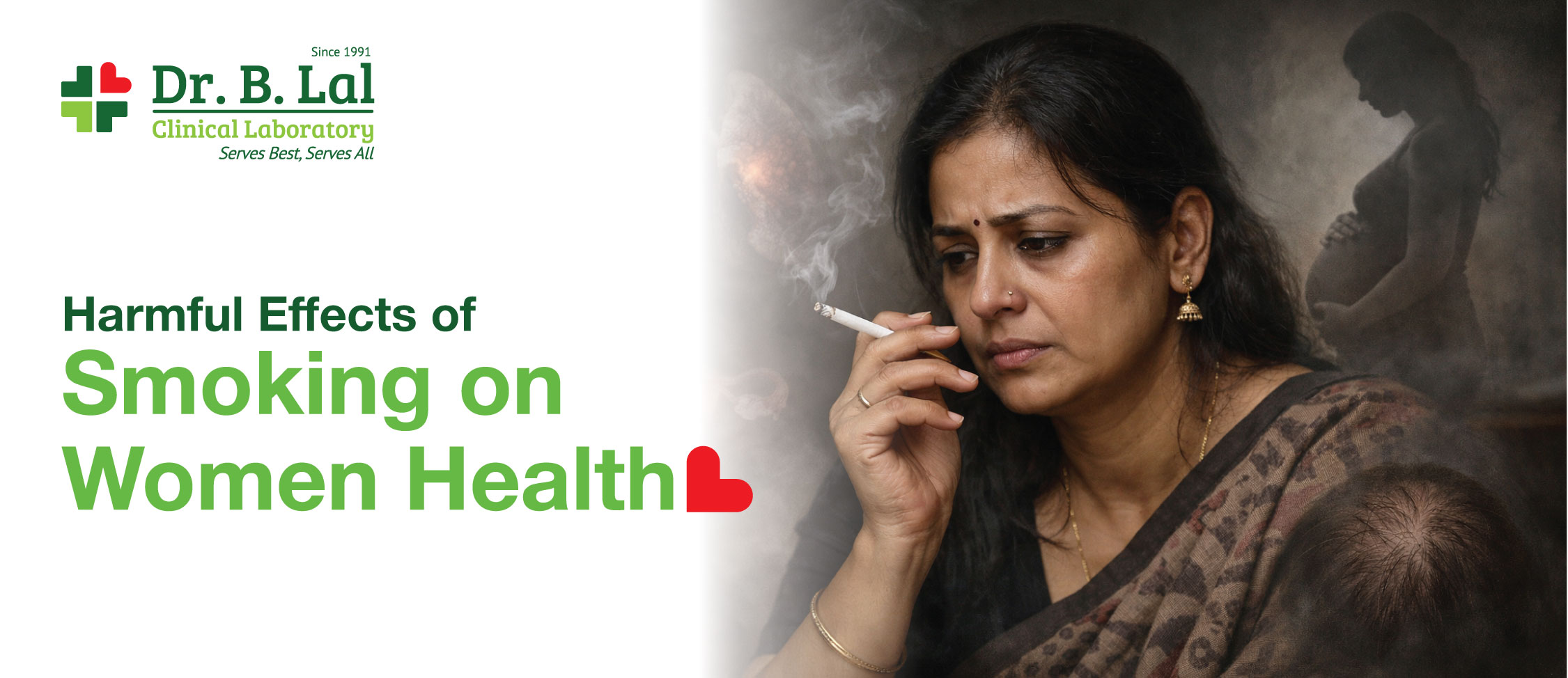
Smoking is related to inhaling harmful and burning tobacco. Although in the past, smoking has been mainly a male practice, use has been gradually increasing among women and teenagers in India. There is also a huge population among women who are exposed to the risk factors regarding traditional cigarettes, as well as smokeless tobacco and electronic nicotine delivery systems, as these products are mistakenly perceived to be harmless.
Harmful Effects of Smoking on Women
Women are more likely to suffer from more health problems than men from smoking, even if the exposure period is shorter, because of the differences in the ways their bodies could handle the toxins, not to mention the reproductive issues. Smokers can really affect the quality of life, the lifespan, and the families, including the medical sector, when the reality about the vulnerability of Indian females is taken into consideration.
1. Lungs and Respiratory Diseases
Lung cancer primarily results from smoking. Women's lungs are more delicate, hence many women develop lung cancer despite less smoking. Smokers are largely responsible for women developing Chronic Obstructive Pulmonary Disease (COPD), including emphysema or chronic bronchitis. The rate at which women develop deaths from COPD is rising compared to men, while their symptoms are more severe. The severity of pneumonia/flu among women who smoke also increases.
- Symptoms: Coughing, difficulty breathing, wheezing, chest tightness, constant respiratory infections, and fatigue. Risk factors: Quantity and intensity of tobacco use and pollution exposure to tobacco smoke in the home and the presence of a family history of respiratory disease.
- Importance of Diagnostic Testing: Early test of lung damage is very important. Spirometry: Determines lung function by examining the capacity for breathing and the flow of air. Can detect COPD even before its progression. Chest and CT scans: Assessment for lung cancer and alterations. In blood cell findings indicate inflammation.
- When to Consult a Doctor/Get Tested: If there are regular coughing, shortness of breath, frequent chest infections, and chest discomfort, the healthcare-seeking should be urgent.
2. Heart and Blood Vessel Diseases
Smoking tobacco can lead to a rise in heart attack, stroke, and blood vessels-related diseases in a woman. The chemical present in tobacco damages blood vessels, raises "bad cholesterol" level in blood (LDL), and leads to blood clotting. This explains why an additional burden is placed on a heart with such a harmful chemical. The protective effect of a woman before menopause gets negated due to smoking. This is mainly applicable when a woman is above thirty-five years old and a consumer of oral anticontraceptives.
- Symptoms: Angina, pain in the arms and chest, shortness of breath, lightheadedness, feeling tired, leg swelling. Risk factors: Smoking, high blood pressure, high cholesterol, diabetes, obesity, family history of heart disease.
- Importance of Diagnostic Testing: The relevance of undergoing testing cannot be ignored, even for a smoker. Testing encompasses measurement of blood pressure, lipid profiles that entail measurement of cholesterol, and measurement of triglycerides. This can also entail evaluation of ECG or stress tests.
- When to Consult a Doctor/Get Tested: You need to visit the doctor when you experience sudden chest pain, difficulty breathing, palpitations in the heart, and when you feel dizzy. It is also important for smokers to visit the doctor often.
3. Increased Cancer Risk: Beyond the Lungs
Smoking is also linked to the risk of cancers other than cancers of the lungs. These cancers include breast, cervix, mouth, pharynx, esophagus, pancreas, kidney, and bladder. In females, the risk of cancers of the breast and cervix is higher due to smoking. It is linked to the carcinogens found in tobacco that mutated DNA in the body.
- Symptoms: The kind of symptom will depend on the cancer. They may include lumps (for instance, breast lumps), chronic pain, unexplained weight loss, bowel irregularity, irregular vaginal bleeding (for ladies who are not menstruating and those past menopause), and ulcers in the mouth/throat. The main cause can be smoking.
- Importance of Diagnostic Testing: It is important to undergo cancer testing on a regular basis. By early diagnosis and treatment, cancer can be prevented from taking one’s life.
- When to Consult a Doctor/Get Tested: See a doctor immediately for any unusual changes that happen in the body such as the appearance of lumps, pain, or bleeding.
4. Reproductive Health and Pregnancy: Protecting Future Generations
Smoking has drastic effects on female reproduction:
- Symptoms: Difficulty conceiving; irregular menstrual cycle; early signs of menopause; or problems during pregnancy. Risk factors include active smoking and exposure to second-hand smoke.
- Importance of Diagnostic Testing: For issues related to infertility or concerns associated with pregnancy, hormonal analyses (FSH, LH, AMH levels), ultrasound evaluation of the ovaries, and general tests related to reproductive health are imperative. Routine antenatal visits also form an important part of the pregnancy phase.
- When to Consult a Doctor/Get Tested: Must consult a gynecologist/ fertility specialist immediately for conception issues or with regard to the impact of smoking on the pregnancy.
5. Bones and Skin: Aging Faster
- Symptoms/Risk Factors: Bone issues may manifest as fractures, chronic back pain, or stooped posture. Skin symptoms include visible wrinkles, dryness, and a leathery texture. Risk factors include smoking, low calcium intake, lack of physical activity, and family history of osteoporosis.
- Importance of Diagnostic Testing: Bone mineral density (BMD) tests like DEXA scans are recommended for women at risk of osteoporosis, including smokers and post-menopausal women. Dermatological examination can assess skin damage.
- When to Consult a Doctor/Get Tested: Consult a doctor for persistent joint pain, unexplained bone fractures, or significant skin appearance changes.
6. Mental Health: The Hidden Burden
It is believed that smoking relaxes people and protects them from anxiety and depression. Actually, the relief of stress that is experienced by the individual is usually the effect of withdrawal symptoms associated with smoking. This particular scenario may trigger anxiety. There is an association between smoking and the risk of an individual experiencing depression. Health-related illnesses caused by smoking may also negatively influence mental health.
- Symptoms/Risk Factors: Persistent sadness, anxiety, irritability, difficulty concentrating, sleep disturbances, and loss of interest in activities. Risk factors include smoking, chronic stress, and a history of mental health conditions.
- Importance of Diagnostic Testing: While no direct test exists for smoking's mental health impact, screenings for anxiety and depression are important. Doctors can assess overall health and recommend support.
- When to Consult a Doctor/Get Tested: Speak with a doctor or mental health professional for ongoing feelings of sadness, anxiety, stress, or mood changes. Quitting smoking can improve mental clarity and emotional stability.
Importance of Diagnostic Testing for Women's Health
Diagnostic testing is also very important in addressing health risks associated with smoking for women. This is because health can be addressed immediately through screening tests.
When to Consult a Doctor or Get Tested
It is essential for anyone who smokes, or has a history of smoking, to visit doctor for a regular health checkup, if they do not have health-related symptoms.
- Constant cough
- Shortness of breath
- Chest pain
- Unusual lumps
- Unusual bleeding.
- Difficulty in conceiving or pregnancy concerns.
- Joint pain, unexplained fractures
- Significant skin changes.
- Persistent anxiety, sadness, or mood changes.
Doctors can guide appropriate screenings and lifestyle changes.