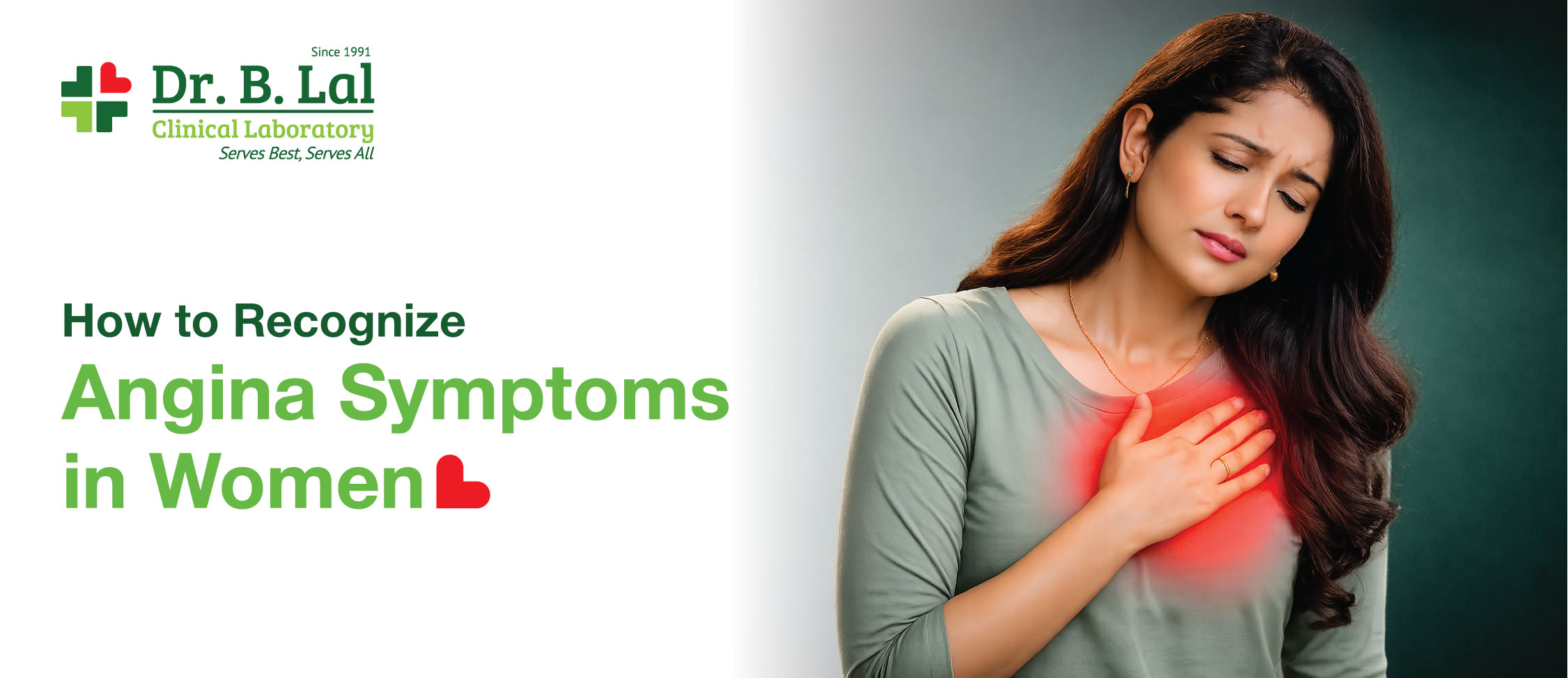
Angina is a type of chest pain or discomfort that occurs when the heart muscle does not get as much oxygen as it needs. This situation usually occurs during CAD (coronary artery disease), which includes narrowed and blocked coronary arteries, mainly due to the buildup of fatty plaque called atherosclerosis. If the oxygen demand increases in the heart, such as during physical activity or stress, and the narrowed arteries cannot supply it, angina occurs. Symptoms include pressure, squeezing, heaviness, tightness, or burning in the chest.
Importance of Angina for Health, Especially for Women
Angina is a critical indicator of potential heart problems and can lead to serious cardiovascular events like heart attacks if unaddressed. For women in India, understanding angina is vital due to:
- Atypical Symptoms: Women often experience different, subtler symptoms than the classic chest pain seen in men, leading to misdiagnosis or delayed diagnosis.
- Higher Risk of Underdiagnosis: Due to atypical presentations and lack of awareness, women are frequently underdiagnosed and undertreated, increasing the risk of adverse outcomes.
- Impact on Quality of Life: Even stable angina can limit physical activity and cause anxiety.
- Increased Mortality Rates: Coronary artery disease contributes significantly to mortality in India, and early angina management can reduce these risks.
- Progression to Heart Attack: Angina is a strong predictor of future heart attacks, making prompt recognition and treatment crucial.
Angina Symptoms and Risk Factors in Women
Angina Symptoms in Women
Women's symptoms can be more varied and subtle than the "elephant on the chest" pain often described by men:
- Chest Discomfort: Pressure, squeezing, fullness, heaviness, tightness, burning, or aching (not always sharp pain). Can be central, left, or right-sided.
- Pain or Discomfort in Other Areas: Neck, Jaw, or Throat (choking sensation); Shoulder, Arm (often left, but can be right or both), with dull ache, numbness, or tingling; Upper Back (between shoulder blades) or Upper Abdomen (mistaken for indigestion/heartburn).
- Shortness of Breath (Dyspnea): Breathlessness even without exertion.
- Unusual Fatigue: Extreme, disproportionate tiredness.
- Nausea or Vomiting: Feeling sick, mistaken for stomach flu.
- Cold Sweats: Breaking out in a cold sweat.
- Lightheadedness or Dizziness: Feeling faint.
- Sleep Disturbances: Waking up due to chest discomfort.
- Anxiety or Sense of Impending Doom: Intense anxiety or dread.
These symptoms can be triggered by physical activity, emotional stress, extreme temperatures, heavy meals, or occur at rest.
Risk Factors for Angina in Women
Shared risk factors include age, family history, high blood pressure, high cholesterol, smoking, obesity, and sedentary lifestyle. Specific factors more significant for women, especially in India, include:
- Age: Risk increases with age, particularly post-menopause.
- Diabetes: Significantly elevates heart disease risk in women, often more than in men.
- Stress and Psychosocial Factors: Chronic stress, depression, and anxiety are strongly linked.
- Menopause: Drop in estrogen increases heart disease risk.
- Microvascular Disease: Women are more prone to blockages in small heart arteries.
- Pregnancy Complications: History of pre-eclampsia or gestational diabetes increases long-term cardiovascular risk.
- Inflammatory Conditions: Certain inflammatory conditions, anemia, and migraines are recognized sex-specific risk factors.
The Importance of Diagnostic Testing
Accurate and timely diagnostic testing is crucial due to the subtle nature of angina symptoms in women. Dr. B. Lal Clinical Laboratory offers comprehensive services
Electrocardiogram (ECG/EKG): Records heart's electrical activity, detecting abnormal rhythms, muscle damage, or reduced blood flow.
Blood Tests: Check cardiac enzymes (troponin), cholesterol (lipid profile), blood sugar, and other cardiovascular risk markers.
Stress Test (TMT): Evaluates heart response to exercise by monitoring heart rate, blood pressure, and ECG. Pharmacological stress tests are available.
Echocardiogram: Ultrasound of the heart showing structure, function, and pumping action.
Coronary CT Angiography (CCTA): Non-invasive imaging to identify blockages or narrowing in coronary arteries.
Cardiac MRI: Detailed images of heart muscle, blood flow, and damage.
Coronary Angiography: Invasive "gold standard" to visualize coronary arteries and detect blockages.
When to Consult a Doctor or Get Tested
Seek Immediate Medical Attention
Call emergency services if you experience any of these critical symptoms:
- New, severe, or worsening chest pain (crushing, squeezing, heavy).
- Chest pain radiating to arm, neck, jaw, back, or stomach.
- Chest pain with shortness of breath, cold sweats, nausea, vomiting, extreme fatigue, lightheadedness, or dizziness.
- Chest pain not subsiding with rest or prescribed medication.
Consult Your Doctor Promptly
Schedule an appointment if you have:
- Any new or unusual chest discomfort or atypical symptoms, even if mild.
- Symptoms occurring during physical activity and resolving with rest (stable angina).
- Changes in pattern, frequency, or intensity of existing angina.
- Concerns about heart disease risk factors or family history.
Conclusion
Understanding angina, especially its unique presentation in women, is key to proactive heart health. Vigilance for diverse and subtle symptoms is crucial. Dr. B. Lal Clinical Laboratory, with over three decades of experience, offers precision diagnostics for early detection and management of angina and other heart conditions, serving as a trusted partner in health.