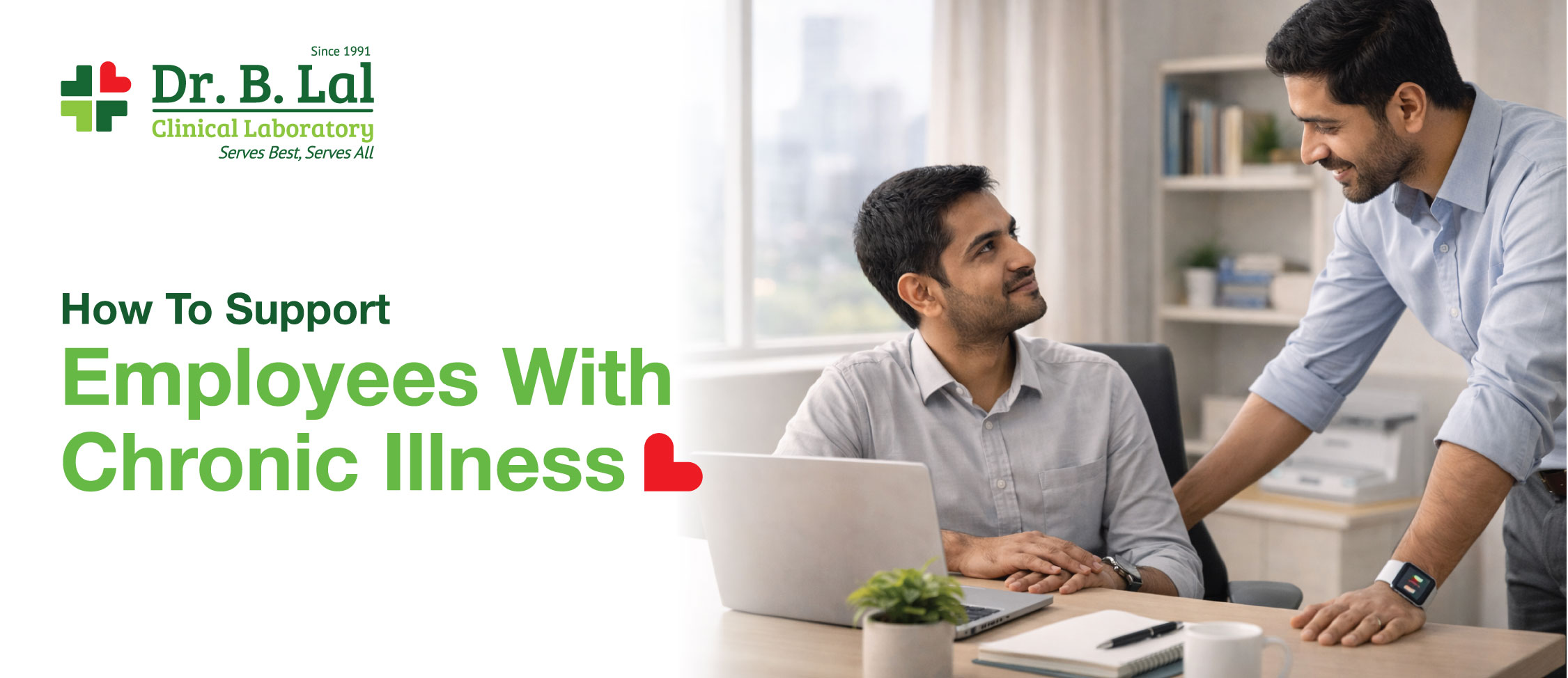
Helping out employees with chronic illness is not only the right thing to do, it's also a clever move for any business.When workplaces truly support and give people with long-term health conditions the chance to do well, they see better productivity, fewer people leaving, and generally happier staff. Plus, it helps them tick all the boxes legally speaking.Lots of people around the world deal with chronic illnesses. These are conditions that stick around for a year or more, usually needing regular doctor visits and making it tough to do everyday stuff, which really has an impact on folks at work.It's really important for any smart company these days to figure out how to help these folks out; it's not something you can just skip anymore.
Understanding Chronic Illness in the Workplace
Many people of working age are dealing with chronic illnesses such as diabetes, arthritis, autoimmune diseases, migraines, and long COVID. Many of these are what we like to call "invisible illnesses." You can't always see what's going on, and that makes it very important to be understanding and empathetic. It's really helpful when people understand that a struggle doesn't always appear on the outside. We need to remember this because it makes a big difference for folks dealing with these kinds of conditions.For folks working, this can look like random flare-ups, being tired all the time, hurting, having trouble thinking straight (like "brain fog"), and needing to go to the doctor a lot.This really messes with folks, making them anxious or even depressed. They might also worry about telling anyone, which can mess with their job and how they feel generally.
If these people are not supported by their employers, they may experience more employees calling in sick, less work being accomplished, and employees leaving the company more frequently. There is also the possibility of legal issues, particularly with laws such as the Americans with Disabilities Act, which states that employers must make reasonable accommodations. It is not only about the law but also about the impact it has on the company’s vibe.
Creating Flexible Work Policies That Actually Help
One of the most impactful ways to support employees with chronic illness is through genuinely flexible work policies. Rigid structures rarely serve those with fluctuating health needs. Consider implementing:
- Flexible Scheduling (Flextime)
- Remote or Hybrid Work
- Adjusted Break Schedules
- Intermittent Leave:
- Phased Return to Work
Additionally, robust sick leave policies and clear guidelines for short-term and long-term disability benefits provide crucial financial and job security during challenging health periods.
Building a Culture of Empathy and Psychological Safety
Beyond policies, a supportive workplace thrives on a culture of empathy and psychological safety. This means creating an environment where employees feel safe to disclose their condition and seek support without fear of judgment, stigma, or reprisal. Key elements include:
- Confidentiality and Trust
- Open Communication (Employee-Driven)
- Proactive and Preventative Approach
- Employee Assistance Programs (EAPs)
- Peer Support Networks
Reasonable Accommodations and Workplace Adjustments
Making things accessible for everyone is really the base of all our legal and ethical ways of helping people out.These are specific changes we make so someone can do the main parts of their job. You really need to go back and forth with these, and they can cover a lot of different things.
Physical Workspace Modifications:
- Ergonomic Equipment: Adjustable desks, specialized chairs, ergonomic keyboards, or assistive technologies like voice-activated software.
- Environmental Controls: Access to natural light, dimmer switches, temperature control, or quiet workspaces with noise-canceling headphones.
- Accessibility: Workstations closer to restrooms or elevators, or private spaces for rest or medication.
Task & Role Adjustments:
- Adjusting deadlines or allowing for self-paced work.
- Temporary reduction or redistribution of non-essential tasks.
- Modifying duties or, if necessary, reassigning to a vacant position.
- Helping employees focus on critical tasks, especially during periods of "brain fog."
Technology Solutions: Utilizing assistive technology (text-to-speech, screen magnification) or communication tools (video conferencing, task management software) to facilitate work and reduce barriers.
The key is that accommodations should be tailored to the specific needs of the individual, recognizing that no two chronic illnesses, or individuals, are alike.
Supporting Mental Health Alongside Physical Health
Chronic illness often comes hand-in-hand with mental health challenges. The ongoing stress of managing a condition, unpredictable symptoms, and potential career impacts can lead to anxiety, depression, and emotional distress. Employers must recognize this crucial link and offer integrated support:
- Comprehensive EAPs
- Mental Health Days:.
- Inclusive Wellness Programs:
- Manager Sensitivity.
- Destigmatize Mental Health
Training Managers to Lead With Sensitivity and Awareness
Managers are the frontline in supporting employees, making their training paramount. They need to understand not just the "what" but the "how" of sensitive leadership:
- Legal Obligations: Educate managers on laws like the ADA, including their role in the interactive process and maintaining confidentiality.
- Communication Skills: Train them on how to have empathetic, non-judgmental conversations about accommodations, avoiding assumptions or prying.
- Recognizing Distress: Equip them to spot signs an employee might be struggling and how to offer support or direct them to HR/EAP.
- Fostering Inclusive Teams: Help managers understand how to manage team dynamics, prevent resentment, and ensure fair workload distribution when accommodations are in place.
- Resource Navigation: Ensure managers know what internal and external resources are available to employees and how to access them.
By investing in comprehensive manager training, organizations empower their leaders to cultivate a truly supportive, inclusive, and ultimately, more productive environment for every employee.
Conclusion
Building a good environment for employees dealing with chronic illness just means we need to mix following the rules with being understanding and having some helpful plans.To build a truly inclusive and strong workforce, organizations should have flexible work options, provide reasonable accommodations, and create a safe space for people to feel comfortable sharing what's on their minds. It's also really important to make mental health a priority and give managers sensitive training so they can better support their teams.It's really something that touches so many areas: people actually stick around longer, everyone gets more done, folks are just generally happier, our brand looks better, and we end up with a much more varied group of talented individuals.It's truly a good idea to put money into these kinds of projects. It is a smart business move that helps create a really great workplace for everyone, one that's kind and lasts a long time.