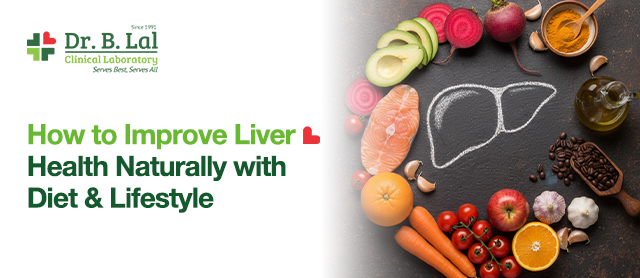
Your liver is one of the hardest-working organs in your body. Responsible for over 500 vital functions — including detoxification, protein production, and regulating metabolism — a healthy liver is essential for overall well-being. However, modern lifestyles, poor diet choices, and stress can take a toll on this vital organ. The good news? With the right diet and lifestyle habits, you can support liver health naturally.
Why Liver Health Matters
A healthy liver efficiently filters toxins, stores energy, and produces bile to aid digestion. When the liver is overburdened, it can lead to fatty liver disease, hepatitis, or cirrhosis. According to the World Health Organization, liver diseases account for over 2 million deaths globally each year, many of which are preventable through lifestyle changes.
Signs Your Liver Might Need Attention
Before diving into lifestyle changes, it’s helpful to recognize early signs of liver stress:
-
Fatigue or unexplained tiredness
-
Digestive issues, including bloating
-
Yellowing of skin or eyes (jaundice)
-
Unexplained weight loss
-
Dark-colored urine or pale stools
If you notice persistent symptoms, consult a healthcare professional and consider liver function tests.
Diet Tips for a Healthy Liver
The food you eat has a direct impact on liver function. Here’s how to optimize your diet for liver health:
1. Increase Intake of Leafy Greens
Vegetables like spinach, kale, and broccoli are rich in antioxidants and chlorophyll, which help remove toxins from the bloodstream and reduce liver inflammation.
2. Choose Liver-Friendly Proteins
Opt for lean proteins such as fish, chicken, tofu, and legumes. Proteins are essential for liver repair and the production of enzymes needed for detoxification.
3. Add Healthy Fats
Incorporate omega-3 fatty acids found in salmon, walnuts, and flaxseeds. These fats can reduce liver fat and inflammation, supporting overall liver function.
4. Limit Added Sugars and Processed Foods
High sugar intake contributes to non-alcoholic fatty liver disease (NAFLD). Avoid sugary drinks, baked goods, and processed snacks.
5. Drink Green Tea
Green tea is packed with polyphenols that may reduce fat accumulation in the liver and improve liver enzyme levels.
6. Stay Hydrated
Adequate water intake aids detoxification and ensures smooth liver metabolism.
7. Incorporate Liver-Cleansing Foods
-
Garlic: Activates liver enzymes that help flush out toxins.
-
Beetroot: Contains betalains, which reduce inflammation.
-
Turmeric: Its active compound, curcumin, protects the liver from damage.
Lifestyle Habits to Boost Liver Health
Diet alone isn’t enough. These lifestyle changes can further protect your liver:
1. Exercise Regularly
Aim for at least 150 minutes of moderate exercise per week. Physical activity reduces liver fat and helps maintain a healthy weight.
2. Maintain a Healthy Weight
Excess body fat, especially around the abdomen, increases the risk of fatty liver disease. Combine balanced eating with exercise for optimal results.
3. Limit Alcohol Consumption
Excess alcohol is a leading cause of liver damage. If you drink, do so in moderation: up to one drink per day for women and two for men.
4. Avoid Toxins
Limit exposure to chemicals in cleaning products, aerosols, and pesticides. These toxins can overwork the liver.
5. Get Enough Sleep
Sleep helps the body repair and detoxify. Aim for 7–8 hours of quality sleep per night.
6. Manage Stress
Chronic stress affects liver function. Practices like yoga, meditation, or even regular walks can reduce stress hormones and support liver health.
Recommended Liver Health Tests
For those concerned about liver function, the following tests are useful:
-
Liver Function Test (LFT): Measures enzymes, proteins, and bilirubin levels.
-
Ultrasound: Detects fatty liver or structural abnormalities.
-
FibroScan: Evaluates liver stiffness, indicating scarring or fibrosis.
Regular screening is especially important if you have risk factors such as obesity, diabetes, high cholesterol, or excessive alcohol intake.
FAQs About Liver Health
Q1. Can liver damage be reversed naturally?
Yes, in the early stages, lifestyle and diet changes can reverse fatty liver and improve liver enzyme levels.
Q2. How often should I check my liver health?
For healthy adults, a routine check every 1–2 years is sufficient. Those with risk factors may need annual screenings.
Q3. Are liver supplements necessary?
Most people can maintain liver health through diet and lifestyle. Supplements should only be taken under medical guidance.
Q4. Is coffee good for the liver?
Moderate coffee intake (2–3 cups/day) may reduce the risk of liver diseases and lower liver enzyme levels.
Takeaway
Your liver works tirelessly to keep you healthy. Supporting it naturally through a balanced diet, regular exercise, and mindful lifestyle habits can prevent liver disease and enhance overall well-being. Start incorporating small, consistent changes today — your liver will thank you for years to come.