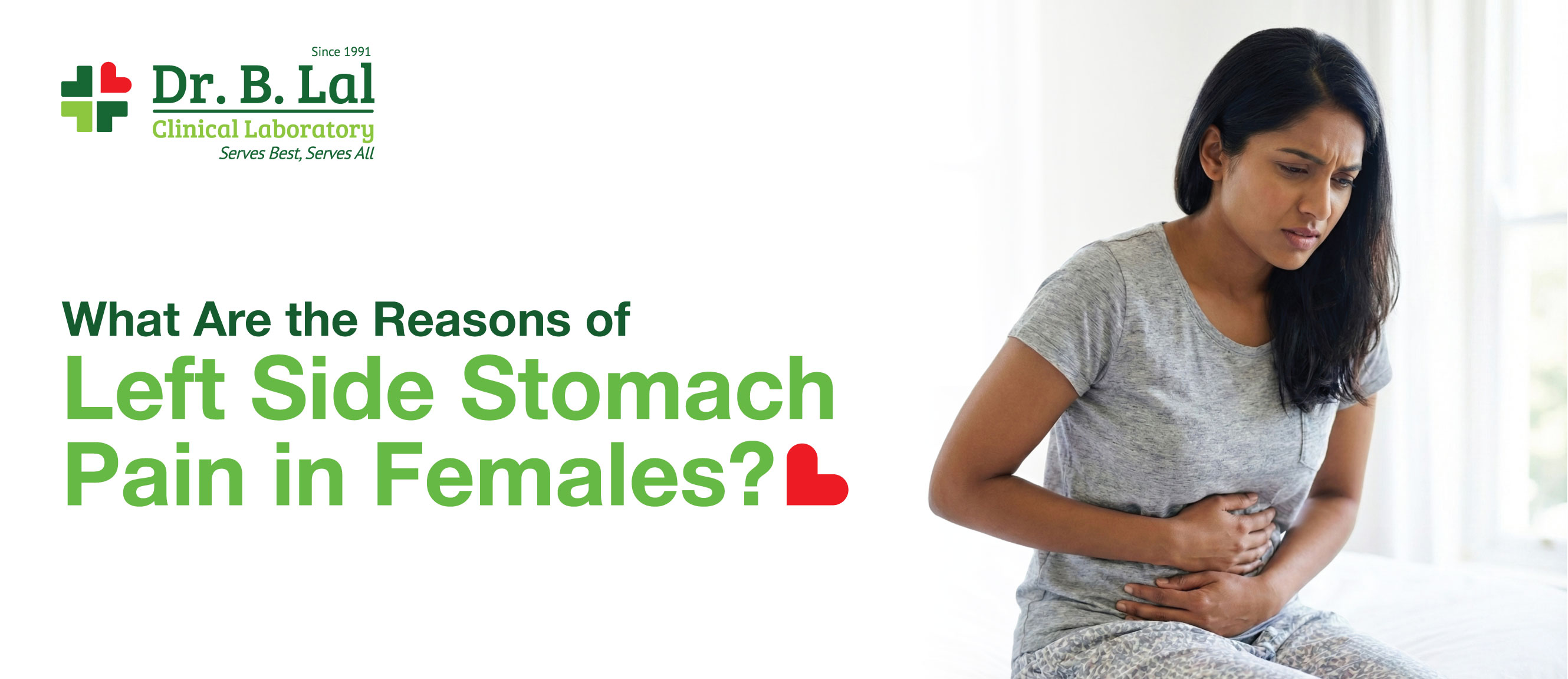
Left-side stomach pain in females can be confusing and sometimes frightening. It may show up as a pain after eating, a sharp, sudden cramp, or pain that comes and goes without any sign. And sometimes it is safe, like gas or constipation, left-sided abdominal pain can be associated with problems of the reproductive, urinary, or digestive system, which require tests.
Many women dismiss abdominal discomfort, especially during menstruation, as normal. Not all pains are normal, though. Knowing what your body is telling you may help you avoid complications and get proper treatment.
Understanding Left-Side Abdominal Ache
Pain on left side of the abdomen occurs in area that include several major organs, including:
- Stomach
- Left kidney
- Large intestine
- Pancreas
- Spleen
- Fallopian tube and left ovary (in females)
Abdominal left side pain can be the reason for mild digestive problems or complex conditions with involvement of kidneys, the reproductive system, and spleen.
Typically:
- Upper-left abdominal ache may relate to stomach, pancreas, or spleen.
- Generally, pain in the left lower abdomen is associated with intestinal, urinary tract, or reproductive system.
If pain persists, is severe, or is accompanied by unknown symptoms, medical attention is necessary.
Common Causes of Left Side Stomach Pain in Females
1. Digestive System-Related Cause
Digestive issues is among most common reasons for left side abdominal pain.
Gas and Bloating: Trapped gas can stretch in the intestines and cause sharp or stabbing pain on left side. Bad eating habits, food intolerances, and stress are usual reasons for pain.
Constipation: When stool builds up in lower colon, it can trigger discomfort, cramping, and bloating, especially on left side.
Gastritis or Stomach Infection:
Inflammation of stomach lining may cause:
- Burning upper abdominal pain
- Nausea
- Indigestion
- Fullness after eating
Irritable Bowel Syndrome (IBS)
IBS is more common in females and may cause:
- Recurrent cramps
- Gas and bloating
- Alternating constipation and diarrhea
Symptoms may worsen with stress, certain foods, or hormonal changes.
Food Intolerances
Lactose intolerance, gluten sensitivity, or certain high-fat or processed foods may trigger inflammation and pain.
2. Reproductive System-Related Causes (Female-Specific)
Reproductive organs are located close to the lower abdomen, and several gynecological conditions can cause pain on the left side.
Ovulation Pain: Some women experience pain when an egg is released from their ovaries. This is usually mild and lasts from a few hours to a few days.
Menstrual Cramps: Hormonal activity can cause muscle contractions in the uterus, which can cause pain on both sides of the abdomen.
Endometriosis
Endometrial-like tissue growing outside uterus can cause:
- Chronic pelvic pain
- Pain during menstruation
- Painful intercourse
Ovarian Cysts: If the cyst becomes enlarged or ruptures, it can cause intense, sudden pain, which requires immediate evaluation.
Pelvic Inflammatory Disease (PID): A bacterial infection that can cause severe pain, fever, and abnormal discharge.
Ectopic Pregnancy (Emergency): A life-threatening condition in which the embryo implants outside the uterus—usually in the fallopian tube. Immediate emergency care is needed if there is sudden, severe pain in the left side accompanied by dizziness or bleeding.
3. Urinary Tract-Related Causes
Issues with kidneys or bladder may also cause left side abdominal pain.
Urinary Tract Infection (UTI)
Symptoms include:
- Burning urination
- Abdominal discomfort
- Frequent urge to urinate
Kidney Stones
This causes sharp, intense pain from the back to the lower abdomen or groin.
Kidney Infection (Pyelonephritis)
Often begins as a UTI and may progress to kidney involvement.
Symptoms may include:
- Fever
- Flank pain
- Nausea
- Fatigue
4. Serious or Emergency Causes
While less common, some causes require urgent medical attention:
- Inflammation of the pancreas
- Spleen injury or enlargement
- Hernia
- Appendicitis (rare, but possible with reversed organ placement)
Sudden severe pain should never be ignored.
Symptoms to Watch Alongside Pain in Left Side Stomach
Seek attention if pain occurs with:
- Persistent fever or chills
- Vomiting or nausea
- Blood in urine or bowel movements
- Dizziness or fainting
- Sudden, severe, or stabbing pain
- Stomach pain that worsens after meals or movement
- Abnormal vaginal bleeding or discharge
These may signal infection, internal bleeding, or reproductive emergencies.
When Should You See a Doctor?
You should consult a doctor if:
- Pain persists longer than 24–48 hours
- You suspect pregnancy
- Pain affects daily activities
- Over-the-counter painkillers do not help
In case of severe symptoms—seek immediate emergency care.
How Is Left Side Stomach Pain in Women Diagnosed?
To identify cause, doctors may perform:
- Physical examination
- Blood tests
- Urine tests
- Stool tests
- Ultrasound or CT scan
- Endoscopy or colonoscopy (if needed)
These diagnostic tools help pinpoint internal problems and guide treatment.
Home Remedies for Mild Left Side Abdominal Pain in Women
For non-serious causes like gas, cramps, or indigestion, home care may help:
- Drink warm water or herbal teas
- Apply a heating pad
- Try a light walk
- Eat bland foods like bananas, rice, toast (BRAT diet)
- Avoid spicy, acidic, or fatty foods
- Get enough rest
If symptoms worsen or return frequently, medical care is necessary.
Medical Treatment Options
Treatment depends on diagnosis:
| Condition | Possible Treatment |
| UTI | Antibiotics |
| IBS | Dietary changes, probiotics, medications |
| Gastritis | Antacids, PPIs, lifestyle changes |
| Ovarian cyst | Monitoring or surgery depending on severity |
| Endometriosis | Hormonal therapy or surgical treatment |
| Kidney stones | Medication or surgical removal if needed |
Prevention Tips
- Eat a balanced diet
- Stay hydrated
- Exercise regularly
- Avoid smoking and excessive alcohol use
- Manage stress levels
- Get routine medical checkups
- Avoid unnecessary self-medication
Conclusion
Left side stomach pain in females can result from several causes—some mild and temporary, others more serious. While occasional discomfort may not be alarming, persistent, recurring, or severe pain should never be ignored.
Listening to your body, recognizing symptoms early, and seeking timely medical support can help protect long-term health and prevent complications.