The liver is not a part of the body that tends to get much attention. It simply goes about its business, day in and day out. Removing toxins. Assisting with digestion. Regulating energy. Regulating hormones. In fact, the liver is involved in hundreds of functions that are necessary for the body to function properly.
It is, however, one of the most ignored organs in the body—until something goes wrong.
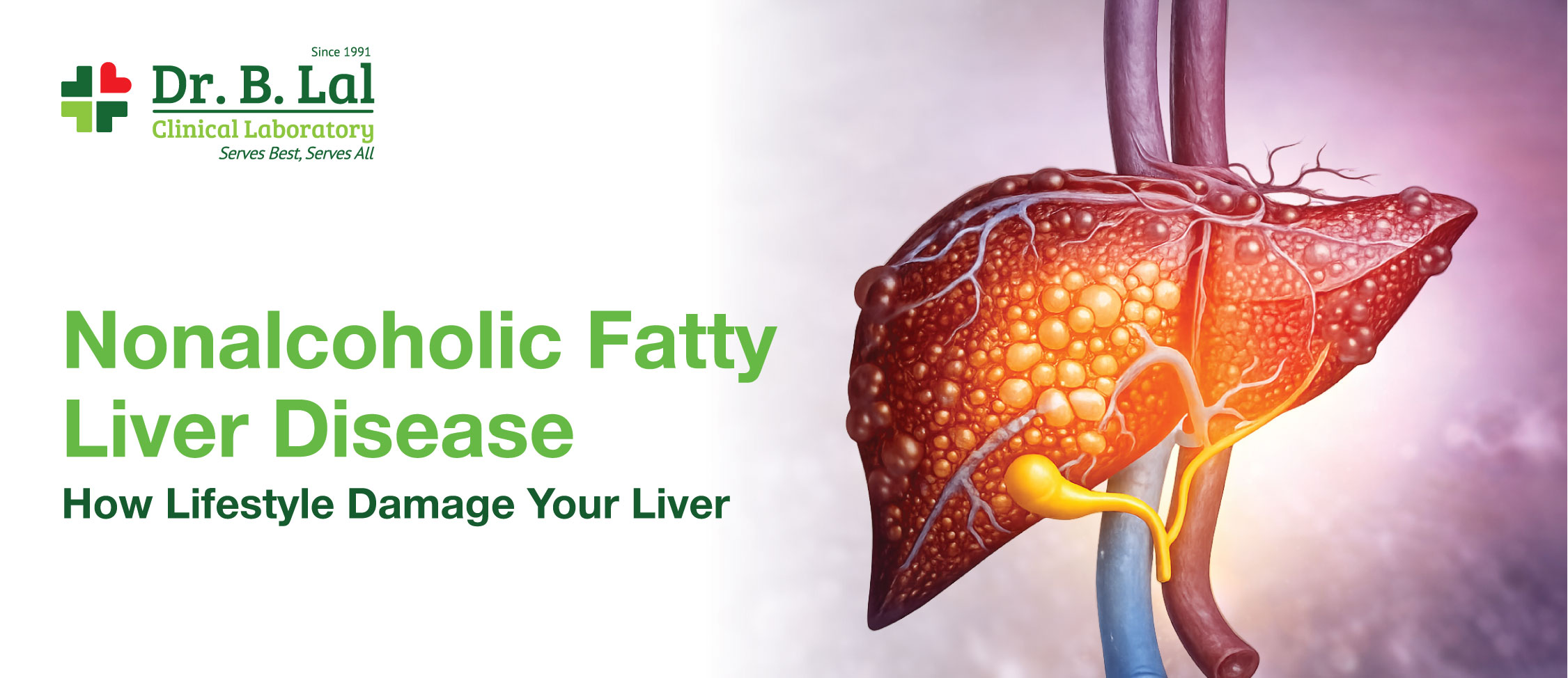
One of the most prevalent issues that tend to affect the liver in today’s world is Non-Alcoholic Fatty Liver Disease, or NAFLD. What is so alarming about this issue is not only how serious it can become, but also how quietly it tends to progress. Many people have had this condition for years without realizing that anything is wrong.
So, What Exactly Is NAFLD?
NAFLD happens when excess fat builds up inside the liver cells. This has nothing to do with heavy alcohol intake. In fact, many people with NAFLD drink little or no alcohol at all.
A small amount of fat in the liver is normal. But when fat keeps accumulating, it begins to interfere with how the liver works. Over time, this can lead to inflammation, scarring, and permanent damage.
The tricky part? NAFLD isn’t one single condition. It changes and progresses slowly.
How Fatty Liver Progresses Over Time
In the early stage, called non-alcoholic fatty liver, fat is present but there’s little damage. Most people feel completely fine at this point. No pain. No warning signs. Nothing that feels urgent.
But if the underlying causes continue, the condition can move forward.
The next phase is NASH (Non-Alcoholic Steatohepatitis). This is when the inflammation begins, and the liver cells begin to get damaged. The chances of complications increase significantly during this phase.
When the damage occurs, the liver starts to form scar tissue. This is called fibrosis. The scar tissue hinders the liver from functioning normally.
In some cases, fibrosis can advance to cirrhosis, which is when the scarring is severe and irreversible. During this phase, the liver has difficulty performing even the simplest of functions.
In some people, NAFLD can also increase the risk of liver cancer, sometimes even before cirrhosis fully develops.
Why Most People Don’t See It Coming
NAFLD is also known as a silent disease—and for good reason.
Most people don’t feel sick when they have NAFLD. There is no sharp pain, no dramatic symptoms. Life goes on as usual. That’s why fatty liver disease is usually found during routine blood work or an ultrasound that’s been ordered for some other reason.
By the time symptoms occur, the disease may be far along.
Everyday Habits That Slowly Damage the Liver
NAFLD does not typically occur suddenly. It develops gradually in the background through daily lifestyle choices.
Consider:
- Regular consumption of sweetened beverages and processed foods
- Diet rich in refined carbohydrates and saturated fats
- Sedentary lifestyle with minimal physical activity
- Increased body weight, particularly around the abdominal region
- Insulin resistance or type 2 diabetes
- High cholesterol or triglyceride levels
- Poor sleep habits and stress levels
Each of these factors may not appear particularly threatening on its own. However, when they accumulate over the years, they cause significant pressure on the liver.
Subtle Signs You Might Miss
Even though NAFLD is silent, the body sometimes gives small hints. They’re easy to ignore.
Some people notice:
- Constant fatigue
- A vague heaviness or discomfort on the right side of the abdomen
- Gradual, unexplained weight gain
- An increase in blood sugar levels
- A mild elevation of liver enzymes in the blood tests
In the more advanced stages, symptoms such as dark-colored urine or yellowing of the skin and eyes may become apparent—but this is typically a sign that the liver is already being severely affected.
Why Fatty Liver Is a Bigger Problem Than It Sounds
The name “fatty liver” itself is almost innocuous. The problem is, it’s not.
NAFLD is strongly associated with cardiovascular disease, kidney disease, and metabolic disorders. In fact, people with NAFLD are more likely to experience cardiovascular complications than liver failure.
This means that NAFLD is a body-wide problem, not just a liver problem.
Can Fatty Liver Be Reversed?
Here’s the good news: yes, it can be.
The liver has a remarkable capacity for self-repair, especially in the early stages. Fatty liver and even early NASH can be significantly improved by lifestyle changes. Even fibrosis can be stabilized or reversed if the damage is halted.
But there is no magic pill to take. The answer is to change the lifestyle that contributed to the problem in the first place.
Simple Ways to Support Liver Health
You don’t need extreme diets or intense fitness plans. Consistency matters more than perfection.
Eat better, not perfect - Focus on real, whole foods. Cut down on sugary drinks, packaged snacks, and fried items. Add more vegetables, fruits, whole grains, lean proteins, and healthy fats like nuts and olive oil. The Mediterranean-style diet works well for many people.
Move your body regularly - Walking, cycling, swimming—whatever you like. The important thing is to do something for at least 30 minutes a day. Light strength training also makes a difference. And reducing sitting time is important too.
Lose some weight if needed - A small amount of weight loss, just 5-10%, can make a big difference in the amount of liver fat and inflammation.
Limit alcohol - Alcohol does not cause NAFLD, but it certainly makes it worse. Cutting down alcohol consumption helps the liver heal.
Manage related conditions - Keeping blood sugar, cholesterol, and blood pressure under control directly supports liver health.
Sleep matters - Poor sleep affects hormones, insulin resistance, and inflammation. Aim for consistent, quality rest.
Final Thoughts
Non-alcoholic fatty liver disease is increasingly being witnessed, and this is mainly due to the lifestyle that people are following these days. It usually progresses unnoticed, and this is what makes it so dangerous.
The best part is that NAFLD is not a one-way street. With awareness and proper lifestyle changes, it can be prevented, managed, and even reversed. The key is to take notice now and avoid complications later.
Your liver functions silently in the background for you every day. A little attention is all it needs.