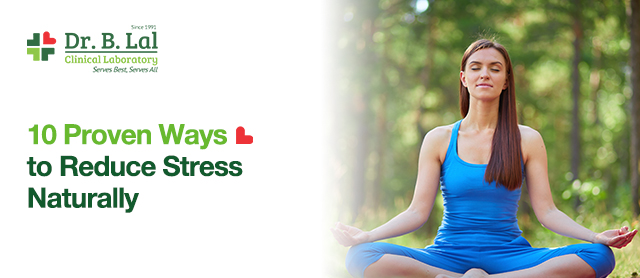
In today’s fast-paced world, stress has become a silent epidemic. From endless deadlines to personal responsibilities, we’re all juggling more than ever before. The good news? You don’t always need medication or therapy to manage stress. Nature offers its own toolkit of simple, science-backed methods to help you feel calmer, lighter, and more in control.
Let’s explore 10 proven ways to reduce stress naturally — no pills, no pressure, just peace.
1. Practice Deep Breathing: Your Instant Calm Switch
When stress hits, your body shifts into “fight or flight” mode. Deep breathing reverses that by activating your parasympathetic nervous system — the one responsible for relaxation.
Try the 4-7-8 technique:
-
Inhale for 4 seconds
-
Hold for 7 seconds
-
Exhale for 8 seconds
Just a few minutes of this can lower your heart rate, reduce anxiety, and even improve sleep. Studies by the Harvard Medical School show that mindful breathing can reduce cortisol (the stress hormone) significantly.
2. Get Moving: Exercise Away the Stress
Exercise isn’t just for fitness — it’s one of the best natural stress relievers. Physical activity increases endorphins (your brain’s feel-good chemicals) and improves your mood almost instantly.
You don’t need a gym membership to feel the benefits. Try:
-
A brisk 20-minute walk
-
Dancing to your favorite playlist
-
Yoga or stretching before bed
According to the American Psychological Association, even 30 minutes of moderate activity a day can reduce stress levels by up to 40%.
3. Eat a Balanced, Stress-Busting Diet
What you eat directly affects how you feel. Stress tends to make us crave sugary or fried foods, but those only give short-term comfort. Instead, choose foods that naturally calm your nervous system.
Include in your daily diet:
-
Leafy greens (rich in magnesium)
-
Nuts and seeds (reduce inflammation)
-
Berries (loaded with antioxidants)
-
Herbal teas like chamomile or green tea
Research published in Nutrients Journal suggests that diets rich in omega-3s and complex carbs can lower anxiety and stabilize mood.
4. Prioritize Sleep: The Natural Reset Button
Lack of sleep doesn’t just make you tired — it raises cortisol levels and impairs your ability to cope with stress. Quality sleep helps your brain process emotions and recover from daily mental strain.
Try these tips:
-
Maintain a consistent sleep schedule
-
Avoid screens at least an hour before bed
-
Keep your room dark, cool, and quiet
According to the Sleep Foundation, adults who get 7–9 hours of sleep report 30% lower stress levels than those who sleep less.
5. Practice Mindfulness or Meditation
Mindfulness is simply paying attention to the present moment — without judgment. It helps break the loop of overthinking that fuels stress.
Start small:
-
Spend 5 minutes focusing on your breath
-
Use a guided meditation app
-
Practice gratitude before bed
Studies from Johns Hopkins University found that meditation can reduce symptoms of anxiety and depression as effectively as some medications — without side effects.
6. Stay Connected: Talk It Out
Sometimes, all you need is to talk. Sharing your thoughts with friends, family, or even a counselor lightens emotional load and offers perspective.
Even social support — a simple chat with a loved one — can trigger oxytocin release, which reduces stress hormones and promotes calmness.
Make time for regular catch-ups, or join community groups or online forums where you can share and listen.
7. Spend Time in Nature
Nature is a natural healer. Studies show that spending time outdoors — even for 20 minutes — can lower stress hormones, improve focus, and elevate mood.
Take a walk in a park, garden, or just sit on your balcony with plants. A Japanese concept called “Shinrin-yoku” (forest bathing) is scientifically proven to lower blood pressure and heart rate, and increase feelings of well-being.
8. Limit Caffeine and Alcohol
Caffeine can give you a quick energy boost, but it also raises adrenaline levels — which can trigger anxiety and restlessness. Similarly, alcohol may seem relaxing initially but can disrupt sleep and worsen stress long-term.
Try replacing coffee with green tea or herbal infusions. You’ll still get a mild energy lift without the post-caffeine crash.
9. Laugh More Often
Laughter truly is the best medicine. It releases endorphins, relaxes muscles, and improves mood. In fact, a study by the Mayo Clinic found that laughter can reduce stress responses and enhance immune function.
So, watch a funny show, share jokes with friends, or recall your favorite funny memory — your body will thank you for it!
10. Take Breaks and Learn to Say “No”
One of the biggest sources of stress is overcommitment. It’s okay to take breaks and set boundaries. Doing so doesn’t make you lazy — it makes you healthy.
Try this:
-
Take short 5-minute breaks every hour
-
Say no to tasks that don’t serve your priorities
-
Practice digital detoxes on weekends
Learning to prioritize yourself is one of the most empowering (and peaceful) things you can do.
Bonus: Try Aromatherapy
Essential oils like lavender, peppermint, and eucalyptus have calming properties. A few drops in a diffuser or bath can instantly ease anxiety and improve sleep quality.
When to Seek Help
Natural methods work wonders, but if you find stress interfering with your daily life — causing insomnia, frequent panic, or physical symptoms — don’t hesitate to seek professional help. A healthcare expert can guide you through therapy, lifestyle changes, or other effective treatments.
The Bottom Line
Managing stress naturally is about balance, not perfection. Small daily changes — a walk in the park, a mindful breath, a healthy meal — can create a ripple effect toward a calmer, happier you.
Remember: You can’t always control what happens around you, but you can control how you respond.
Start with one or two of these habits today and watch your stress slowly melt away.
🌿 FAQs on Reducing Stress Naturally
Q1. Can stress be completely eliminated?
Not entirely, but you can manage it effectively through consistent lifestyle habits like exercise, meditation, and proper rest.
Q2. What foods help relieve stress naturally?
Foods rich in magnesium, vitamin B, omega-3s, and antioxidants — like nuts, berries, fish, and leafy greens — are great for reducing stress.
Q3. How quickly do natural stress remedies work?
You may feel calmer instantly after deep breathing or meditation, but consistent practice over weeks offers long-term benefits.
Q4. Is exercise really effective for mental stress?
Yes! Regular physical activity boosts endorphins and lowers cortisol, improving your overall mental well-being.
Q5. How much sleep do I need to reduce stress?
Aim for 7–9 hours of quality sleep every night to allow your body and mind to recover.