
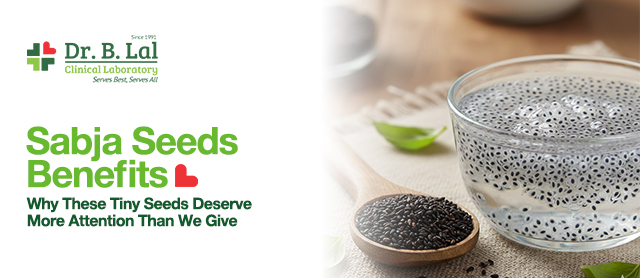
If you’ve ever had falooda or those old-school rose milk drinks in summers, you’ve already met sabja seeds. Those tiny black seeds floating in the glass that look like small jelly pearls. For the longest time, most of us didn’t think too much about them—we just accepted them as part of the drink. But honestly, these seeds have way more to offer than just texture.
If you are looking for something simple, natural, and honestly… not too much effort. And sabja seeds are exactly that. Let’s cut to the chase and know more about the incredible health benefits of sabja seeds.
What Exactly Are Sabja Seeds?
Sabja seeds, also called sweet basil seeds or tukmaria, come from the sweet basil plant. Not the same as tulsi, but from the same family. They’ve been used in Indian households forever, mostly during summers, because they naturally cool down the body.
One confusion people have is with chia seeds. They look almost the same, but sabja seeds swell up instantly when soaked. Chia takes a long time and stays a bit crunchy. Sabja has that soft jelly feel which many people prefer in drinks.
Nutritional Profile (Surprisingly impressive)
Don’t let the size fool you. These seeds actually pack a lot of important nutrients:
- High fibre
- Good amount of plant protein
- Omega-3 fatty acids
- Antioxidants
- Iron, calcium, magnesium
Just one tablespoon can keep you full for a long time. Which is why they’ve suddenly become popular with people trying to lose weight or simply eat better.

Health Benefits of Sabja Seeds
1. Helps in Weight Loss
One of the biggest reasons people look up health benefits of sabja seeds is weight loss. When soaked, they become this thick gel that fills the stomach and reduces hunger. It’s honestly quite surprising how full you feel even with one glass of sabja water.
If you have a habit of grabbing snacks every two hours, sabja seeds can help slow that down.
2. Improves Digestion
Sabja seeds work really well for digestion. They act like a natural laxative (a mild one), so if you deal with constipation or bloating often, adding them to your routine might help.
They’re also known to reduce acidity. Many people drink sabja with chilled milk or lemon water on hot days because it calms the stomach almost instantly.
3. Helps Control Blood Sugar
One of the lesser-known Sabja Seeds Benefits is their ability to control sugar spikes. Since the seeds slow down the digestion process, the sugar from your food gets absorbed slowly. This helps avoid sudden jumps in blood sugar levels.
People with diabetes or borderline sugar issues often find sabja seeds helpful, but of course, it's always good to check with a doctor.
4. Natural Body Cooler
Sabja seeds are almost like summer’s best friend. They cool down the body, which is why they’ve been used traditionally in everything from nimbu pani to falooda. They help prevent heat strokes and dehydration, especially for people who have to stay outdoors a lot.
Honestly, even if you’re just feeling overheated or tired, a sabja drink feels like hitting a refresh button.
5. Good for Skin & Hair
This is one area people don’t talk about much. But sabja seeds have antioxidants that help the skin fight daily damage. And the omega-3 fats are good for hair roots and scalp health.
No, they’re not a miracle cure, but if used consistently, they do help your skin look calmer and your hair feel a bit healthier.
6. Supports Immunity
Because sabja seeds contain minerals like iron and magnesium, they support immunity too. These minerals help the body repair itself, reduce fatigue, and keep energy stable.
You don’t need to take supplements for every tiny nutrient gap. Sometimes just adding natural foods like sabja seeds daily does the job.
7. Helps Reduce Stress
This one sounds surprising but is true. Sabja seeds have mild calming effects. The omega-3 also supports brain health. Drinking sabja water in the evening genuinely feels relaxing. It’s not a big dramatic change, but a small, noticeable one.
How to Use Sabja Seeds
The best part is they’re super easy to use.
Important: never eat them dry. They swell up a lot and can cause choking.
How to Soak
- Take one teaspoon of sabja seeds
- Add to a glass of water
- Wait 10–15 minutes till they become jelly-like Done.
How Much to Consume?
1–2 teaspoons a day is enough. You don’t need more.
Ways to Add Them
- Chaas
- Lemon water
- Smoothies
- Rose milk
- Coconut water
- Overnight oats
- Fruit juices
Basically anything that has liquid works fine.
Sabja Seeds vs Chia Seeds
People keep comparing sabja seeds and chia seeds so here’s the short answer:
| Feature | Sabja | Chia |
| Soaking time | Swells instantly | Takes long |
| Cooling | Strong | Mild |
| Taste | More jelly-like | Slight crunch |
| Best for | Summer drinks, digestion | Smoothies, breakfast bowls |
You can use both, but if your main goal is cooling, digestion, or quick preparation, sabja seeds clearly win.
Side Effects & Precautions
Sabja seeds are safe for most people, but a few things to keep in mind:
- Too much can cause bloating
- People with IBS should start slowly
- Pregnant women should check with their doctor
- Always soak before eating
Moderation is honestly the key with everything.
Final Thoughts
Even though these seeds are tiny and kind of easy to ignore, the benefits of sabja seeds are genuinely impressive. From digestion to weight loss, cooling the body, supporting sugar control, improving skin, and even lowering stress a bit—they offer a lot without any fancy prep or big effort.
Sometimes the simplest things in the kitchen turn out to be the most useful. So if you haven’t tried sabja seeds regularly yet, maybe this is your sign to start. Just one small teaspoon a day can bring noticeable changes over time.