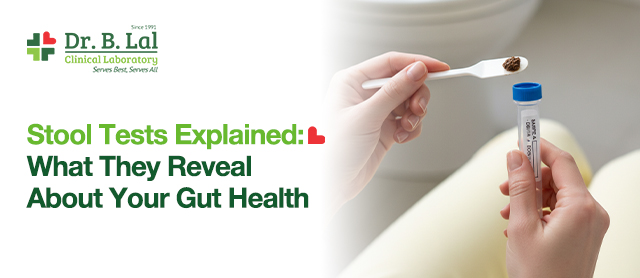
Your gut is more than just a digestive organ — it’s a complex ecosystem that plays a crucial role in overall health. From nutrient absorption to immune function, your digestive system impacts everything from energy levels to mood. But how do you know if your gut is truly healthy? Stool tests are an essential diagnostic tool that can provide a detailed look at your digestive health.
What is a Stool Test?
A stool test (or fecal test) is a laboratory examination of your stool sample to detect various abnormalities in the digestive tract. These tests can identify infections, digestive disorders, inflammation, and even early signs of serious conditions.
Modern labs offer different types of stool tests, ranging from basic screenings to comprehensive gut microbiome analyses.
Why Stool Tests Are Important
Your stool contains valuable information about your gut health, including:
- Digestive efficiency: How well your body is breaking down and absorbing nutrients.
- Gut microbiome balance: The balance of good and bad bacteria in your intestines.
- Inflammation markers: Signs of gut inflammation, which could indicate conditions like IBS, Crohn’s disease, or ulcerative colitis.
- Infections: Detection of harmful bacteria, viruses, or parasites.
By analyzing these factors, stool tests help doctors detect underlying issues that may not be apparent through symptoms alone.
Types of Stool Tests
- Routine Stool Examination
- Checks for the presence of blood, mucus, fat, or parasites.
- Helps detect digestive problems such as malabsorption or infections.
- Stool Culture Test
- Identifies bacterial infections like E. coli, Salmonella, or Shigella.
- Useful for persistent diarrhea or suspected foodborne illnesses.
- Occult Blood Test
- Detects hidden blood in the stool, which could indicate ulcers, polyps, or colorectal cancer.
- Stool Microscopy
- Examines parasites, ova, or worms under a microscope.
- Often used in children or travelers with gastrointestinal complaints.
- Gut Microbiome Test
- An advanced test that maps the diverse bacteria in your gut.
- Helps identify dysbiosis, digestive inefficiencies, or susceptibility to chronic gut issues.
Also Read - What Is a Gut Microbiome Test
Who Should Consider a Stool Test?
Stool tests are recommended for individuals experiencing:
- Chronic diarrhea, constipation, or bloating
- Abdominal pain or discomfort
- Unexplained weight loss
- Blood or mucus in stool
- Suspected food intolerances or malabsorption
- Recurrent gut infections
Even if you don’t have symptoms, a comprehensive gut microbiome test can provide preventive insights for long-term digestive health.
Benefits of Stool Testing
- Early Detection of Gut Disorders
Detect issues like infections, inflammation, or precancerous conditions before they worsen. - Personalized Treatment Plans
Results help doctors prescribe targeted treatments, dietary changes, or probiotics. - Monitor Treatment Effectiveness
Follow-up stool tests can assess how well medications, diets, or probiotics are improving gut health. - Better Overall Health
A healthy gut supports immune function, mental health, and nutrient absorption, enhancing overall well-being.
How to Prepare for a Stool Test
- Collect the sample in a clean, dry container provided by the lab.
- Avoid contamination with urine or toilet water.
- Some tests may require dietary restrictions or temporary medication pauses — follow your doctor’s instructions carefully.
Conclusion
A stool test is a simple yet powerful way to understand your gut health. Whether it’s a routine check, a suspicion of infection, or a detailed microbiome analysis, these tests provide crucial insights that guide effective treatment and prevention strategies. Regular stool testing can help you maintain a healthy gut, prevent complications, and improve overall quality of life.
FAQs
1. Are stool tests painful?
No, stool tests are non-invasive and painless.
2. How long do results take?
Results are usually available in 2–7 days depending on the type of test.
3. Can children take stool tests?
Yes, stool tests are safe for individuals of all ages.
4. Do I need to fast before the test?
Generally, fasting is not required unless specified by your doctor.
5. Can stool tests detect food intolerances?
Yes, advanced tests like gut microbiome analysis can indicate digestive inefficiencies and potential food sensitivities.