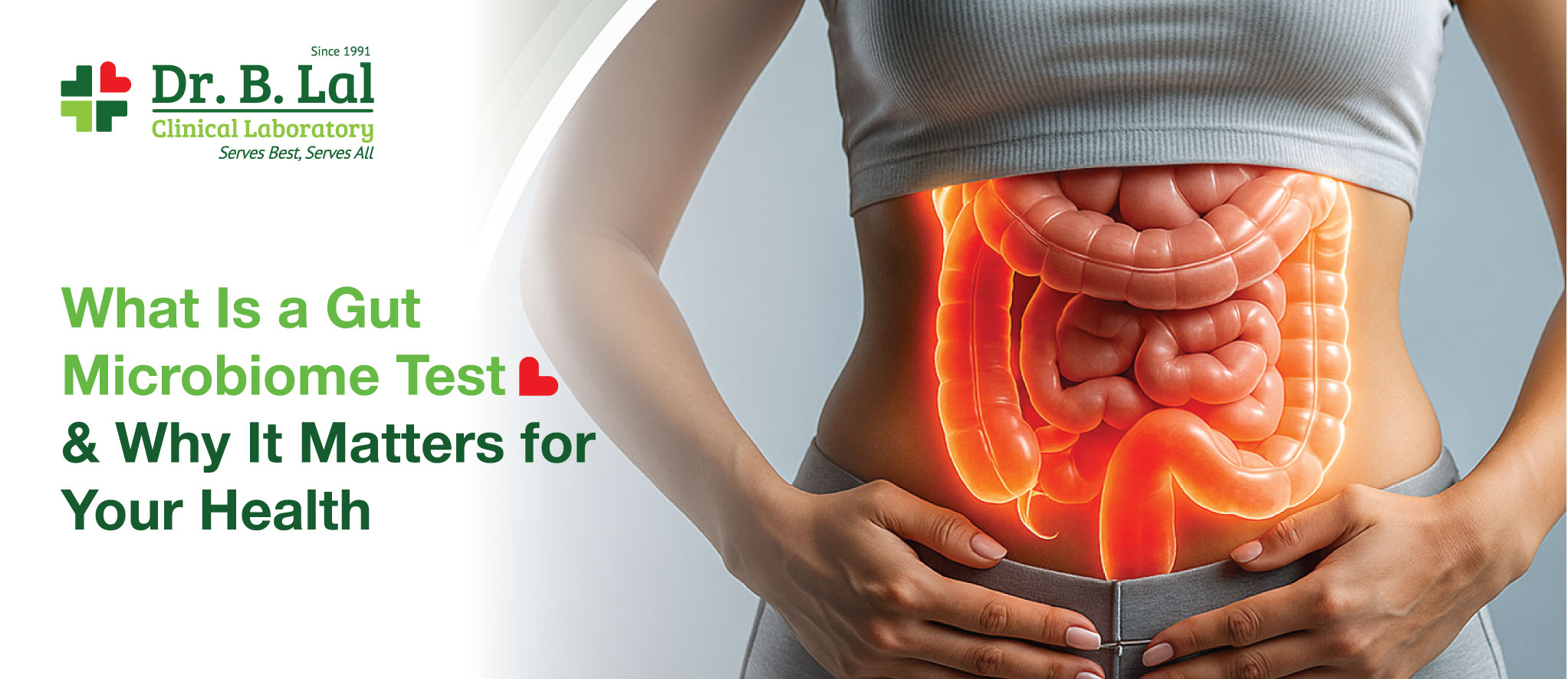
Ever heard the phrase “trust your gut”? Turns out, it’s not just a saying. Your gut is home to trillions of microorganisms — bacteria, fungi, and other microbes — collectively called the gut microbiome. This microscopic world influences everything from your digestion and immunity to your mood, energy levels, and even your skin health.
When the balance of these microbes gets disturbed, it can lead to bloating, indigestion, fatigue, food intolerances, poor metabolism, and a weakened immune system. That’s where a Gut Microbiome Test comes in — a revolutionary diagnostic tool that helps decode what’s happening inside your gut and how it’s impacting your overall well-being.
In this blog, we’ll break down what a gut microbiome test is, what it reveals, why it matters, and how it can help you make personalized lifestyle and dietary changes for a healthier you.
What Is the Gut Microbiome?
The gut microbiome refers to the complex community of microorganisms living in your intestines — mainly bacteria, but also fungi, viruses, and archaea.
These microbes help your body:
- Digest food and absorb nutrients
- Produce vitamins like B12, K, and folate
- Regulate your immune system
- Protect against harmful bacteria
- Maintain gut lining integrity
- Communicate with your brain through the gut-brain axis
In simple words, your gut microbiome acts like a mini-ecosystem — when it’s balanced, you feel great; when it’s disrupted, your body shows signs of distress.
What Is a Gut Microbiome Test?
A Gut Microbiome Test is a non-invasive stool-based test that analyzes the DNA of microorganisms in your gut. It identifies which bacteria, fungi, and other microbes are present, their diversity, and their balance.
Using advanced sequencing technology, the test provides insights into:
- The composition and diversity of your gut bacteria
- Presence of beneficial vs. harmful microbes
- How your gut microbes affect digestion, metabolism, and immunity
- Possible nutrient deficiencies or food intolerances
- Your gut’s ability to break down carbohydrates, fats, and proteins
Essentially, it’s like running a “health report” for your gut — showing what’s helping or harming your digestive system and overall health.
How Does a Gut Microbiome Test Work?
The process is simple and convenient:
Sample Collection
You receive a collection kit that allows you to provide a small stool sample from home — no clinic visits needed.
Laboratory Analysis
The sample is analyzed using next-generation sequencing (NGS) to identify the types and proportions of microbes in your gut.
Personalized Gut Health Report
You receive a detailed report that explains:
- The dominant bacterial species
- Diversity score (a key indicator of gut health)
- Levels of good vs. bad bacteria
- Possible dietary recommendations
- Lifestyle tips to restore microbial balance
This makes it easier to understand your gut profile and take actionable steps — like changing your diet, adding probiotics, or modifying lifestyle habits.
Why the Gut Microbiome Test Matters for Your Health
Your gut isn’t just about digestion — it’s the command center for multiple body functions. Here’s why the test is important:
1. Identifies Digestive Imbalances
If you often experience bloating, constipation, acidity, or irregular bowel movements, your gut bacteria may be out of balance.
2. Reveals Food Intolerances and Sensitivities
Sometimes, your gut’s microbial imbalance can make it hard to digest certain foods — dairy, gluten, or high-fat meals.
3. Helps Improve Mental Health and Energy
Your gut and brain are connected via the gut-brain axis. A poor gut environment can impact serotonin levels, causing stress, mood swings, and fatigue.
4. Strengthens Immunity
Did you know that nearly 70% of your immune cells reside in the gut? A healthy microbiome acts as your body’s first line of defense.
5. Supports Weight Management
Certain bacteria affect how your body metabolizes fats and sugars.
6. Provides Clues About Skin and Inflammation
Acne, eczema, or chronic inflammation may actually begin in your gut.
7. Offers Personalized Nutrition Insights
Every individual’s microbiome is unique — what works for one may not work for another.
Signs You Might Need a Gut Microbiome Test
You should consider taking a Gut Microbiome Test if you experience:
- Frequent bloating, gas, or indigestion
- Unexplained weight changes
- Constant fatigue or brain fog
- Food intolerances or sensitivities
- Irregular bowel movements
- Skin issues like acne or eczema
- Low immunity or frequent infections
- Mood changes or stress without a clear cause
Even if you’re not showing symptoms, testing your gut can still be valuable for preventive health — much like a routine full-body checkup.
How a Gut Microbiome Test Differs from Other Digestive Tests
| Type of Test | Focus Area | Purpose |
| Stool Routine Test | Detects infections, parasites, blood, or mucus | Diagnostic |
| Food Intolerance Test | Identifies immune or digestive reactions to specific foods | Sensitivity analysis |
| Gut Microbiome Test | Evaluates the microbial diversity and function of your gut | Holistic gut health mapping |
What Happens After the Test?
Once you get your report, you can work with a nutritionist or healthcare expert to:
- Rebalance your gut through a personalized diet
- Include probiotics or prebiotics suited for your gut type
- Adjust your sleep, stress, and exercise routines
- Track improvements through follow-up testing
Many people notice visible improvements — reduced bloating, better mood, glowing skin, and enhanced energy — within weeks of making these changes.
Tips to Maintain a Healthy Gut Microbiome
- Eat a diverse diet with fiber-rich fruits, vegetables, and whole grains.
- Add probiotics & prebiotics like yogurt, kefir, and fermented foods.
- Stay hydrated for better digestion and nutrient absorption.
- Reduce processed foods & sugar to limit harmful bacterial growth.
- Manage stress through meditation, yoga, or deep breathing.
- Sleep well — aim for 7–8 hours.
- Avoid unnecessary antibiotics that disturb microbial balance.
FAQs on Gut Microbiome Test
1. Is the Gut Microbiome Test painful?
Not at all. It’s a simple stool-based test you can do from home.
2. How accurate is the Gut Microbiome Test?
Modern DNA-based sequencing provides a highly detailed and accurate snapshot of your gut’s microbial composition.
3. Can it help with weight loss or digestion?
Yes, by identifying bacteria linked to metabolism, the test helps personalize a diet plan that supports healthy weight and better digestion.