
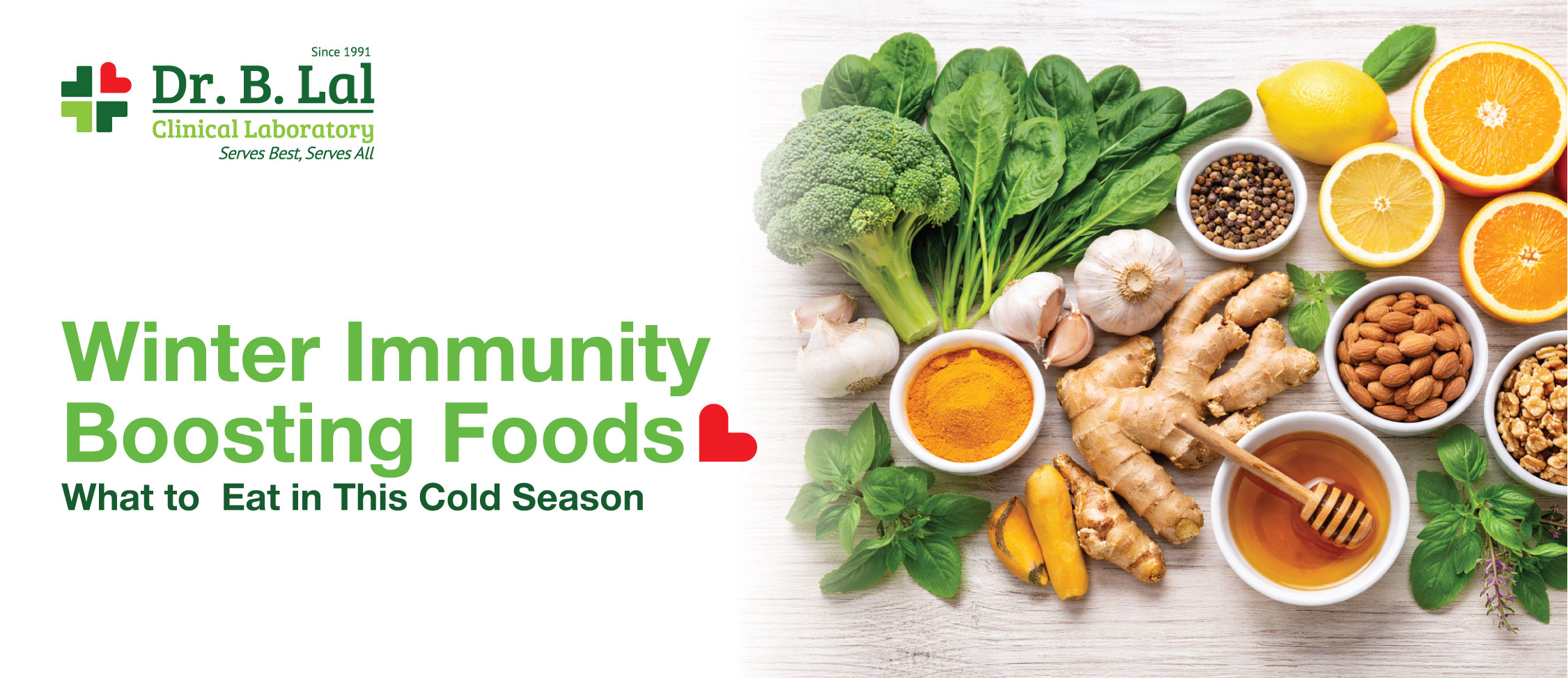
Common illnesses such as colds, coughs, and flu are more prevalent due to the cold weather in the winter season. Immunity is essentially the body's capacity to resist infections, hence acting as a protective shield on our body. Having a robust immunity during winter months is very important as a number of viruses and bacteria tend to be more active, lack of sunlight can lower Vitamin D levels, and going indoors a lot can make the spread of germs easier.
If you have a strong immune system, it will not only help you to stay healthy but also recover faster if you get sick, and it will give you a feeling of overall well- being and a good energy level.
How Foods Boost Immunity
Foods provide essential vitamins, minerals, and antioxidants that immune cells need to function. Eating nutrient foods is a form of preventive healthcare, reducing the likelihood of illness and the need for medical intervention or diagnostic tests.
Vitamin C Rich Foods
A powerful antioxidant that boosts white blood cell production.
- Amla (Indian Gooseberry)
- Oranges
- Mosambi (Sweet Lime)
- Lemons,
- Bell Peppers (especially red and yellow)
- Guava
- Spinach
- and other leafy greens.
Vitamin D
Key role in immune function, often deficient in winter due to less sunlight.
- Sunlight (early morning exposure)
- Fortified Foods (milk, some cereals, plant-based milks)
- Mushrooms (especially UV-exposed varieties).
Zinc-Rich Foods
Essential for the development and function of immune cells.
- Legumes (Dal, chickpeas, kidney beans),
- Nuts and Seeds (pumpkin seeds, sunflower seeds, almonds, cashews),
- Whole Grains (brown rice, oats, whole wheat).
Protein
Fundamental for building and repairing body tissues, including immune cells.
- All types Dals and Legumes
- Paneer (Indian Cottage Cheese)
- Nuts and Seeds (almonds, walnuts, chia seeds, flax seeds).
Probiotics & Prebiotics
A healthy gut is crucial as a significant portion of the immune system resides there.
Probiotic Sources:
- Dahi (Curd/Yogurt)
- Naturally fermented foods like Idli, Dosa, Dhokla.
Prebiotic Sources (Fibre-rich foods):
- Whole grains
- Fruits
- vegetables like garlic and onions.
Antioxidants & Anti-inflammatory
Protect cells from damage and reduce inflammation that can weaken immunity.
- Turmeric (Haldi) for curcumin
- Ginger (Adrak), Garlic (Lahsun)
- Leafy Green Vegetables (Spinach, mustard greens, fenugreek)
- Root Vegetables (Carrots, beetroot, sweet potatoes)
- Dry Fruits and Nuts (almonds, walnuts, dates, figs).
Practical Tips for Indian Patients
- Warm Soups and Broths: Homemade vegetable or lentil soups.
- Herbal Teas: Ginger-tulsi tea, spiced chai with cardamom and cloves.
- Seasonal Fruits and Vegetables: Utilize winter produce like amla, oranges, spinach, carrots, and sweet potatoes.
- Hydration: Drink plenty of warm water.
- Balanced Meals: Include whole grains, dals, vegetables, and healthy fats.
Conscious food choices can strengthen defenses, reduce the risk of winter ailments, and maintain health without frequent medical interventions.
What is Winter Immunity? Your Body's Natural Defense
Winter immunity refers to the body's ability to fight off infections frequent during colder months. It's a natural shield supported by mindful dietary and lifestyle choices, helping individuals stay vibrant and energetic.
Symptoms of Weak Immunity & Key Risk Factors
Signs of a Weakened Immune System
- Frequent Infections: More than 2-3 colds/infections annually, or unusually severe/slow-healing illnesses.
- Persistent Fatigue: Constant tiredness despite adequate rest.
- Slow Wound Healing: Extended recovery time for cuts or scrapes.
- Recurrent Digestive Issues: Frequent diarrhea, constipation, or bloating.
Key Risk Factors Compromising Immunity
- Poor Nutrition: Deficiencies in vitamins (C, D, E) and minerals (Zinc).
- Inadequate Sleep: Less than 7-8 hours of quality sleep.
- Chronic Stress: Prolonged mental or emotional pressure.
- Pre-existing Health Conditions: Diabetes, asthma, heart disease.
- Age: Very young children and older adults (over 65).
- Environmental Factors: Air pollution, increased indoor crowding.
The Importance of Diagnostic Testing
When illnesses persist or worsen, diagnostic testing is crucial, especially in India where conditions like tuberculosis, dengue, and typhoid can mimic common winter ailments. Diagnostic tests:
- Identify the Root Cause: Differentiate between viral infections or more serious conditions (pneumonia, bronchitis, chronic respiratory diseases).
- Guide Effective Treatment: Ensure correct treatment, prevent unnecessary antibiotic use, and target specific pathogens.
- Prevent Complications: Early detection of severe infections or underlying issues can prevent life-threatening complications.
When to Consult a Doctor or Get Tested
- High or Persistent Fever: Above 101°F (38.3°C) for over 2-3 days, or sudden high fever (above 102°F/38.9°C).
- Persistent or Worsening Cough: Lasting over 2-3 weeks, worsening, producing thick/coloured phlegm, or accompanied by chest pain.
- Difficulty Breathing: Shortness of breath, wheezing, chest tightness.
- Severe Symptoms: Intense body aches, severe headache, stiff neck, extreme fatigue, dizziness.
- Worsening Symptoms: Deterioration after initial improvement, suggesting a secondary infection.
- Symptoms in Vulnerable Groups: Infants (under 3 months with fever), young children, pregnant women, elderly (over 65), or those with chronic health conditions.
- Unusual Symptoms: Rashes, confusion, severe ear pain.
Early consultation and testing aid in managing illnesses and ensuring quicker recovery.