Polycystic Ovary Syndrome (PCOS), also known as Polycystic Ovarian Disease (PCOD), is one of the most common hormonal disorders affecting women of reproductive age. It can lead to irregular periods, weight gain, acne, unwanted facial hair, mood changes, and difficulty getting pregnant.
Although a few may need treatment, many women suffering from this problem can cope with their problems naturally. The following treatments have been discussed below in detail.
These methods are all based on the principle of hormonal balance, insulin resistance improvement, and good reproductive health.
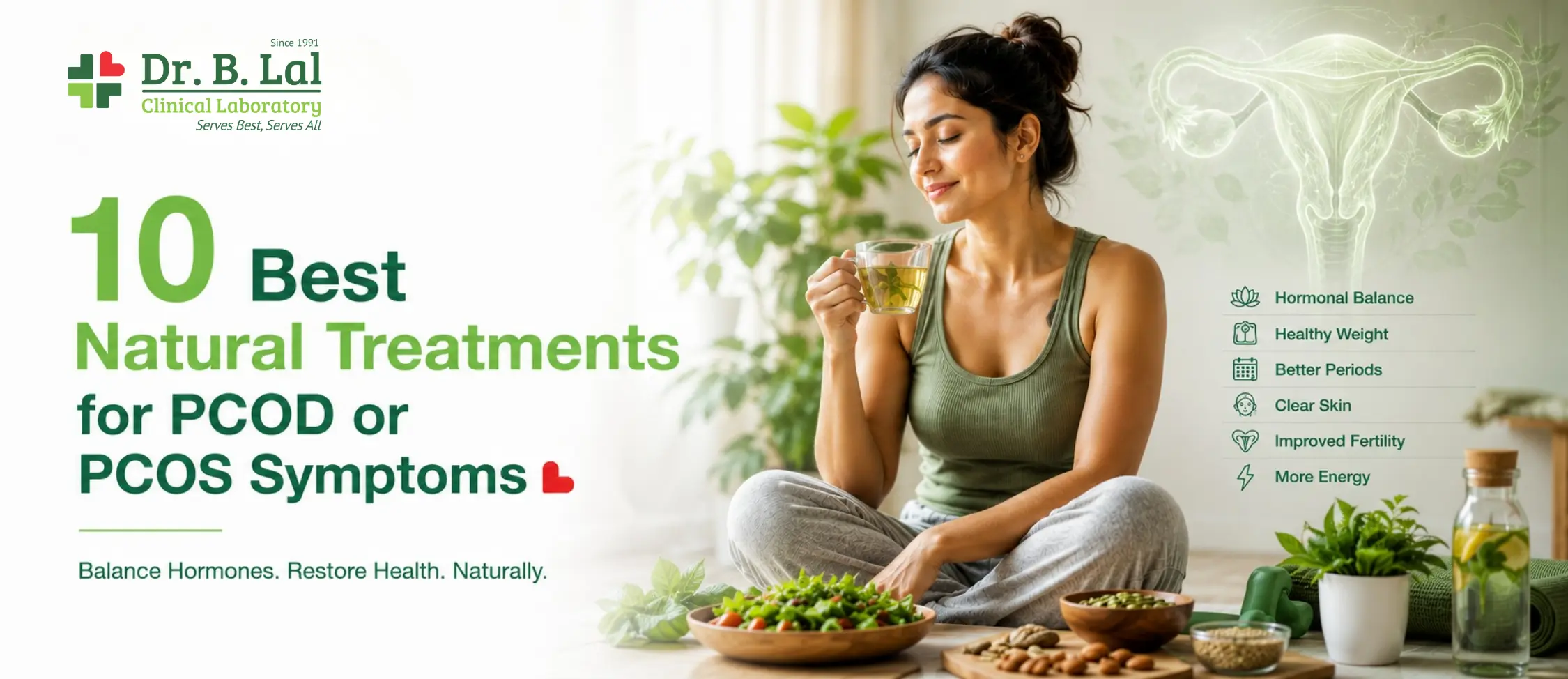
We will talk about 10 such natural ways to treat the symptoms of PCOD/PCOS in this article.
What is PCOD/PCOS?
PCOD and PCOS result from overproduction of androgen, which is a male hormone, by the ovaries. Androgen can affect the ovulation process and result in formation of several cysts in the ovaries.
symptoms:
- Irregular or missed periods
- Weight gain, especially around the abdomen
- Acne and oily skin
- Excess facial or body hair
- Hair thinning or hair loss
- Difficulty conceiving
- Mood swings and fatigue
Although there is no permanent cure for PCOS, symptoms can often be controlled naturally with the right lifestyle habits.
1. Follow a Low-Glycemic Index (GI) Diet
Many women suffering from PCOS have a condition called insulin resistance, where they cannot utilize their insulin properly. Insulin resistance can cause high blood sugar levels and hormone imbalances.
Eat slowly releasing sugars including:
- Whole grain
- Oat
- Brown rice
- Lentils and beans
- Green vegetable
- Fruits with low sugar content
Avoid excessive intake of sugary drink, white bread, pastries, and processed snacks.
Benefits:
- Improves insulin sensitivity
- Supports weight management
- Helps regulate menstrual cycle
2. Maintain a Healthy Weight
Even a small weight loss of 5–10% can significantly improve PCOS symptoms.
Healthy weight management for PCOD may help:
- Restore regular ovulation
- Improve fertility
- Reduce androgen level
- Lower the risk of diabetes
Focus on gradual, sustainable weight loss through healthy eating and regular physical activity.
3. Exercise Regularly
Physical activity is one of the most effective natural treatments for PCOS.
Aim for at least 30–45 minutes of exercise five days a week. Suitable activities include:
- Brisk walking
- Cycling
- Swimming
- Strength training
- Yoga
Benefits:
- Improves insulin resistance
- Reduces stress
- Supports healthy hormone level
- Helps control weight
4. Increase Fiber Intake
Fiber helps slow digestion and prevent sudden spikes in blood sugar levels.
Good sources of fiber include:
- Vegetables
- Fruits
- Whole grains
- Chia seeds
- Flaxseeds
- Legumes
A high-fiber diet can help reduce insulin resistance and improve digestive health.
5. Include Anti-Inflammatory Foods
Chronic low-grade inflammation is often linked with PCOS.
Add these foods to your diet:
- Fatty fish
- Walnuts
- Almonds
- Olive oil
- Turmeric
- Green leafy vegetables
- Berries
Reducing inflammation may help improve hormone balance and overall well-being.
6. Drink Spearmint Tea
Studies have shown that spearmint tea may aid in reducing the high amount of androgens in women with polycystic ovary syndrome.
Having one or two cups of tea a day will help:
- Facial hair reduction
- Improve hormonal imbalance
- Maintain reproductive system well-being
It is not the only treatment but can play an important role in your lifestyle.
7. Manage Stress Effectively
Stress increases cortisol levels, which can worsen hormonal imbalance and PCOS symptoms.
- Natural stress-management include:
- Meditation
- Deep breathing exercises
- Yoga
- Reading
- Spending time outdoors
Taking care of mental health is just as important as managing physical symptoms.
8. Get Good Sleep
Bad sleep can throw off the hormonal processes responsible for hunger, insulin regulation, and reproduction.
How to achieve good sleep:
- Stick to a regular sleep routine
- Stay away from screens before bedtime
- Limit intake of coffee before sleep
- Develop a good bedtime ritual
Aim for 7-9 hours of high-quality sleep every night.
9. Add Omega-3 Fatty Acids to Your Diet
Omega-3 fatty acids are known to support hormone regulation and reduce inflammation.
Sources include:
- Salmon
- Sardines
- Flaxseeds
- Chia seeds
- Walnuts
Regular consumption may help improve insulin sensitivity and menstrual regularity.
10. Monitor Your Health with Regular Checkups
PCOS is associated with a higher risk of:
- Type 2 diabetes
- High cholesterol
- Thyroid disorder
- Infertility
- Heart disease
Regular health screening helps detect complications early and ensure proper management.
Important tests may include:
- Blood sugar test
- HbA1c
- Lipid profile
- Thyroid profile
- Hormone test
- Ultrasound examination
Foods to Avoid if You Have PCOS
Certain foods can worsen insulin resistance and inflammation.
Try to limit:
- Sugary beverages
- Refined carbohydrates
- Fast food
- Processed snack
- Excessive alcohol
- Highly processed packaged food
Choosing whole, natural foods can make a significant difference in managing symptoms.
When Should You See a Doctor?
Consult a healthcare professional if you experience:
- Irregular periods
- Difficulty getting pregnant
- Rapid weight gain
- Excessive hair growth
- Severe acne
- Persistent fatigue
Early diagnosis and proper treatment can help prevent long-term complications.
Final Thoughts
Managing PCOD or PCOS naturally is possible for many women through healthy lifestyle changes. A balanced diet, regular exercise, stress management, quality sleep, and routine health checkups can significantly improve health.
While natural treatment options can be extremely helpful, it is essential that you do not use them to substitute professional medical care. If the severity of your symptoms is interfering with your day to day activities, then seek doctor help from a specialist. Gradual change can result in the most effective results.