
 +91 9166125555


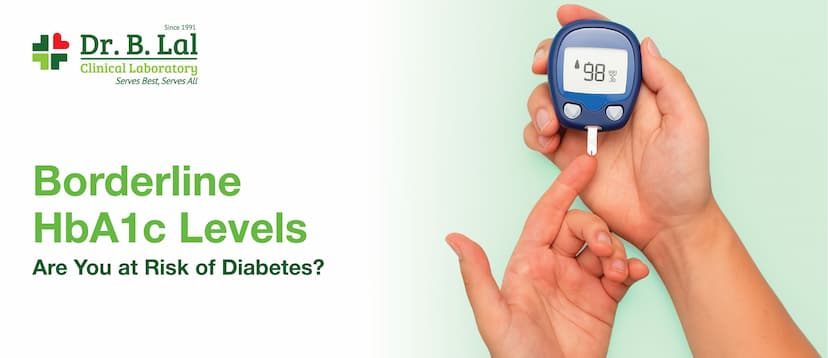
Blood sugar is a silent problem that develops in many people and they ignore early symptoms of diabetes. Most of the people realize something is wrong and then they get a blood test such as HbA1c. Sometimes reports showing borderline HbA1c or borderline blood sugar and it sound confusing, especially when you feel perfectly healthy. These results are early signs that your body is struggling to manage blood glucose.
Glycated hemoglobin a1c is a blood test that measures your average blood sugar levels over the past 2 to 3 months. This is not a test like a random sugar test, which measures your instant glucose level, but HbA1c test measures long-term sugar level. This makes it one of the most reliable tests for detecting early diabetes risk. Doctors recommend HbA1c together with blood sugar tests since it assists in identifying any imbalances, even when the fasting or post-meals blood sugar levels are within the normal range. When the HbA1c test result is borderline, it indicates that the blood sugar levels are higher than it should be.
If you understand borderline diabetes results, you need to know the normal blood sugar range.
Normal blood sugar levels for adults vary depending on when the test is done.
A borderline HbA1c level shows that your body is starting to lose efficiency in handling glucose. Insulin may not be working as effectively, leading to higher average blood sugar levels over time. While this does not mean you have diabetes, it means you have a higher risk of diabetes than normal.
Many people ask, what level of blood sugar is concerning? Danger does not begin suddenly at one number. Instead, risk increases gradually. Borderline levels are a warning zone, where early treatment and lifestyle changes can prevent long-term complications such as diabetes, heart disease, and nerve damage.
Borderline blood sugar levels are caused by 2 main reasons: lifestyle and genetic factors. Diet is also a very important factor. Eating lots of refined carbohydrates, sugary snacks, and sweet beverages can lead to frequent blood sugar spikes. This can put pressure on the body’s insulin gland over time. A sedentary lifestyle can weaken the body’s ability to process glucose in the bloodstream. An increase in body weight, particularly around the abdominal area, can further raise insulin resistance.
In many cases, borderline HbA1c and borderline blood sugar level do not show any noticeable symptoms. This is why regular blood sugar checkup is so important. Some people may experience fatigue, increased thirst, frequent urination, or difficulty concentrating, but these signs are often ignored.You should now ignore this sign and symptoms and consult with your doctor for better treatment also physician advice better test for understand your blood sugar levels.
There are many ways of testing blood sugar. A blood sugar test can be performed while fasting, after eating, or randomly. Fasting tests are used to determine the body’s ability to regulate glucose, while blood sugar levels after eating reveal how the body reacts to food.
Using a blood sugar monitor at home can be helpful for people at risk. Regular monitoring allows you to understand how diet, activity, stress, and sleep affect your glucose levels.
A normal blood sugar levels chart is an excellent guide to have when interpreting test results. Such a chart will enable you to distinguish between safe levels, borderline levels, and critical levels. Most people feel that only high levels are a cause for concern, but even slightly high levels can pose health risks.
The good thing is that borderline levels of HbA1c can be reversed. Easy and regular lifestyle changes and regulating blood sugar levels. A balanced diet consisting of whole grains, vegetables, lean proteins, and healthy fats can help maintain blood sugar levels. Cutting down on sugar and refined carbohydrates, moderate exercise is particularly helpful.
Exercise helps increase insulin sensitivity. Even moderate exercise, such as 30 minutes of walking, can be very effective. Stress management, good sleep, and a healthy weight also help control blood sugar levels.
If your HbA1c or blood sugar test results are near the diabetic range, your doctors may recommend that you retest your results every three to six months. This will help ensure that your lifestyle changes are working and will also help to delay the onset of diabetes.
It is not necessary to be perfect in your efforts to prevent diabetes. It is necessary that you are consistent. By checking your blood sugar, being physically active, watching what you eat, and following the recommendations of your doctors, you can effectively reduce your risk of developing diabetes.
Borderline HbA1c and borderline blood sugar levels are not a diagnosis but an early warning sign. They indicate that attention is required before the blood sugar levels become life-threatening. With regular blood sugar testing, monitoring, and lifestyle modifications, it is possible to reverse blood sugar levels to normal and prevent diabetes altogether. The best way to safeguard your future health is to take early action.





 Add Tests & Packages