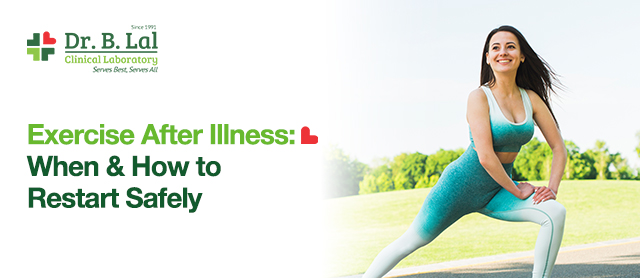
Recovering from an illness can make you crave normalcy — and for fitness enthusiasts, that means getting back to workouts. But after a fever, infection, or flu, your body isn’t ready to jump straight into high-intensity routines. Exercise after illness must be gradual and mindful to avoid relapse or overexertion.
Your immune system, energy levels, and muscles have just fought hard to recover. Rushing back into workouts can cause fatigue, dizziness, or a return of symptoms. This guide will help you understand when to start exercising after being sick, how to restart safely, and what signs to watch out for.
Why You Shouldn’t Rush Back Into Exercise After Illness
When you fall sick, your immune system directs most of its energy toward fighting infection. As a result, stamina drops, muscles weaken, and hydration levels dip. According to Harvard Health Publishing, it can take a few days to several weeks for your energy and immunity to normalize after an illness.
Jumping too soon into your usual routine can:
-
Delay full recovery
-
Increase the risk of injury or relapse
-
Weaken your immune system further
Think of your body as a battery — illness drains it, and rest is the recharge. Give yourself the time to build back strength before demanding more from it.
When Is It Safe to Start Exercising After Being Sick?
There’s no universal recovery timeline. It depends on your type of illness, severity, and overall health. Here’s a general guide:
After a Common Cold or Mild Flu
If you only had mild cold symptoms (like a stuffy nose or sore throat), light exercise is fine once you’ve been symptom-free for 48 hours. Start with easy walks, yoga, or stretching to reawaken your body. Avoid gym sessions for a few more days to reduce infection risk.
After Fever or Infection
Fevers indicate that your body fought an active infection. Wait at least 5–7 days after the fever subsides before resuming workouts. Make sure you’re:
-
Fever-free and off medications
-
Well-hydrated
-
Feeling energetic
After COVID-19 or Respiratory Illness
Recovery takes longer for illnesses affecting the lungs. Begin with deep breathing exercises and short walks, then slowly add moderate-intensity activities after 2–3 weeks, depending on how you feel. Always get your doctor’s clearance before resuming heavy exercise.
After Gastrointestinal or Viral Infections
If you had stomach flu or digestive infection, focus first on nutrition and hydration. Exercise only after your appetite and digestion return to normal. Start slow with gentle stretching or yoga.
The “Neck Rule” for Post-Illness Fitness
Sports medicine experts often use the “neck rule” to decide when to exercise after illness:
-
Above the neck: Mild cold, sore throat, or nasal congestion — light workouts are usually okay.
-
Below the neck: Cough, fever, chest congestion, muscle pain, or fatigue — rest completely until fully recovered.
It’s a simple rule of thumb, but the best indicator is always how your body feels. If your energy is low, skip the gym. Rest is part of recovery.
How to Restart Exercise Safely: Step-by-Step
Once your symptoms are gone, follow a phased approach to regain your strength safely.
Step 1: Start at Half Intensity
Begin at 50% of your normal duration or intensity.
For example, if you usually do a 40-minute jog, start with a 20-minute brisk walk. This allows your cardiovascular system and muscles to adapt gradually.
Step 2: Focus on Mobility & Breathing
Gentle movements help improve blood circulation and oxygen flow.
Try:
-
Light yoga
-
Stretching
-
Breathing exercises
These will loosen up stiffness and help restore flexibility.
Step 3: Increase Gradually
If you feel strong after a few days, increase workout duration or intensity by 10–15% per week. Avoid high-intensity interval training (HIIT) or heavy lifting for at least the first week after recovery.
Step 4: Stay Hydrated and Nourished
Illness can deplete your body of nutrients. Focus on:
-
Protein-rich foods (eggs, pulses, fish, chicken) for muscle repair
-
Fruits and vegetables for vitamins and antioxidants
-
Electrolyte fluids to restore balance
Step 5: Listen to Your Body
If you experience dizziness, shortness of breath, increased heart rate, or extreme fatigue, stop immediately. These are warning signs that your body needs more rest.
Tips to Prevent Relapse During Recovery
Getting back into workouts after being sick requires patience and discipline. Keep these simple tips in mind to avoid setbacks:
-
Prioritize sleep: Aim for at least 7–8 hours of rest each night.
-
Don’t overtrain: Take rest days in between sessions.
-
Maintain hygiene: Disinfect gym equipment and wash hands regularly to avoid reinfection.
-
Monitor progress: Keep an eye on your heart rate and energy levels using a smartwatch or fitness band.
-
Be patient: Recovery is not a race — consistency matters more than speed.
When to Consult a Doctor Before Restarting
If your illness lasted more than two weeks or involved the lungs, heart, or major infection, it’s wise to consult your doctor before resuming exercise. You should also seek medical advice if you:
-
Feel persistent fatigue or weakness
-
Experience shortness of breath or chest pain
-
Notice abnormal heart rate spikes during light activity
Your doctor might recommend tests such as a CBC (Complete Blood Count), ECG, or Liver and Kidney Function Tests (LFT/KFT) to ensure your body is ready for exertion.
Best Exercises After Illness
Here’s a sample recovery plan to help you ease back into workouts safely:
| Week | Type of Exercise | Focus |
|---|---|---|
| Week 1 | Walking, Yoga, Stretching | Mobility, Flexibility |
| Week 2 | Light Jog, Cycling | Endurance |
| Week 3 | Bodyweight Strength Training | Muscle Recovery |
| Week 4 | Regular Workouts (Gradual Intensity) | Full Fitness |
Avoid competitive or high-impact workouts until you regain full energy and stamina.
Recommended Health Tests Before Resuming Workouts
If you had a moderate or severe illness, consider doing some basic health checks before starting your post-illness fitness journey:
-
CBC Test: To ensure no active infection remains.
-
LFT & KFT: To check liver and kidney recovery after medication use.
-
Vitamin D & B12 Tests: To evaluate fatigue and immune strength.
-
Troponin Test or ECG: If you experienced chest tightness or breathlessness.
👉 Book a Post-Illness Health Checkup near you to confirm your body is ready before returning to intense physical activity.
FAQs
1. How long should I wait to exercise after a fever?
Wait at least 3–5 days after your fever resolves. Start with walking or stretching and gradually increase intensity.
2. Can I work out with a mild cold?
If symptoms are above the neck, light exercise is okay. But if you have cough, chest congestion, or fatigue, it’s better to rest.
3. What if I feel tired during my first few workouts?
That’s normal. Take it as your body’s signal to slow down. Rest a day or two and resume gently.
4. Should I take supplements after illness?
Focus on a balanced diet first. If needed, Vitamin C, Zinc, or B-complex supplements can support recovery — but consult your doctor first.
5. When can I resume weight training?
After one to two weeks of light exercise, start with bodyweight movements and slowly add resistance. Avoid heavy lifting too soon.
Conclusion
Exercising after illness is about rebuilding, not racing. Give your body the time and care it deserves. Start slow, fuel yourself well, rest adequately, and increase intensity only when your body feels ready.
With a little patience and consistency, your strength, stamina, and rhythm will return — this time, stronger than before.
💪 Remember: Recovery is part of your fitness journey, not a pause from it.