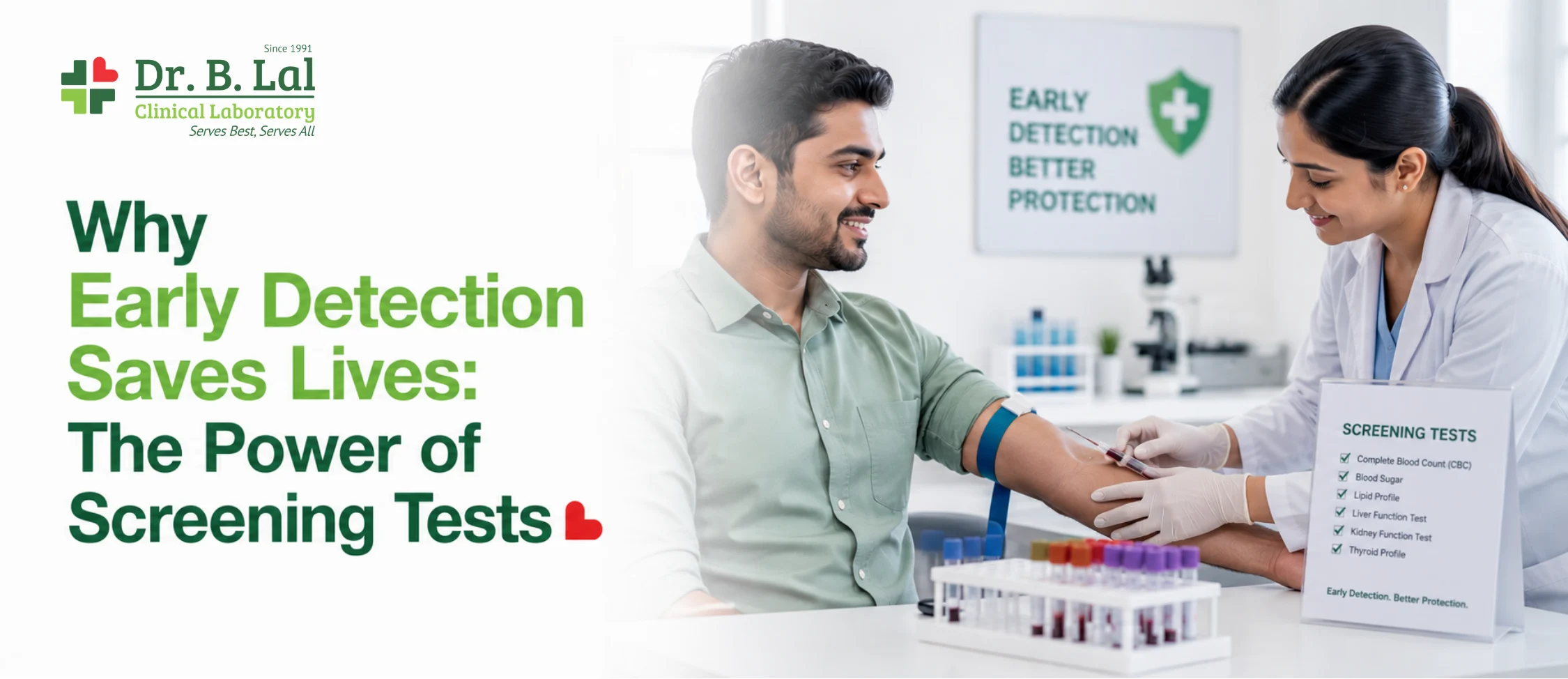
Many health conditions do not show clear symptoms in the beginning. A person may feel completely fine while a disease slowly develops inside the body. This is why early detection through screening tests plays such an important role in protecting health and saving lives.
Screening tests help identify potential health problems before symptoms appear. Detecting a disease at an early stage often means easier treatment, lower medical costs, and better outcomes. In many cases, early diagnosis can even prevent serious complications or save lives.
In this article, we will understand why screening tests matter, how they work, and which tests you should consider at different stages of life.
What Are Screening Tests?
Screening tests are the medical tests that are done on individuals who do not have any symptoms of a particular disease. The aim of such tests is to identify health problems before they become too difficult to treat.
Diagnostic tests, on the other hand, are conducted on people who have developed the symptoms of a particular disease.
Some common examples include:
- Blood sugar tests for diabetes
- Blood pressure checks for hypertension
- Cholesterol tests for heart disease risk
- Mammograms for breast cancer screening
- Pap smears for cervical cancer detection
- Colon cancer screening tests
- Thyroid function tests
- Bone density tests for osteoporosis
Regular health screening gives doctors valuable information about your overall health and helps identify risks before they become major problems.
Also Read: Why Preventive Health Checkups Are Becoming a Necessity Today
Why Early Detection Saves Lives
The biggest advantage of early detection is that many diseases are easier to manage when found in their initial stages.
Better Treatment Outcomes
Diseases at an early stage are easy to treat. For instance, cancers that are discovered through screening tend to have higher chances of survival than cancers that are diagnosed following development of symptoms.
Furthermore, detecting diabetes early enough enables individuals to manage their blood glucose levels with lifestyle and medication intervention.
Lower Healthcare Costs
Advanced illnesses generally demand a lot of healthcare, hospitalization for long periods of time, and costly treatments. Preventive tests will help minimize these expenses by early detection of issues.
Healthcare expenses in the future may be avoided by investing in health examinations now.
Prevention of Complications
There are many chronic diseases that will continue to do their damage without being treated. Hypertension is one such disease, which quietly damages the heart, the kidneys, and the brain.
Screening tests are conducted regularly to detect these diseases before any serious problems arise, like strokes and heart attacks.
Improved Quality of Life
People diagnosed early often maintain a better quality of life because treatment begins before significant damage occurs. They can continue their daily activities with fewer health limitations and better long-term outcomes.
Common Health Conditions That Benefit from Early Screening
Diabetes
Type 2 diabetes can develop slowly over many years without noticeable symptoms. A simple blood glucose test or HbA1c test can detect prediabetes or diabetes early.
Early management helps prevent complications such as:
- Kidney disease
- Eye problems
- Nerve damage
- Heart disease
High Blood Pressure
Hypertension is often called the "silent killer" because many people do not experience symptoms until serious complications arise.
Regular blood pressure checks help detect hypertension early, reducing the risk of stroke and heart attacks.
High Cholesterol
Elevated cholesterol levels can lead to blocked arteries and cardiovascular disease. Routine lipid profile tests allow individuals to make dietary and lifestyle changes before major heart problems occur.
Cancer
Many cancers have significantly better survival rates when detected early. Important cancer screening tests include:
Breast Cancer Screening
Mammograms can detect breast cancer before lumps become noticeable, improving treatment success and survival rates.
Cervical Cancer Screening
Pap smear tests and HPV testing help identify abnormal cells before they develop into cervical cancer.
Colorectal Cancer Screening
Screening for colon cancer can detect precancerous polyps that can be removed before turning into cancer.
Thyroid Disorders
Thyroid problems can affect energy levels, metabolism, weight, and overall well-being. Routine thyroid function tests help diagnose conditions early and support effective treatment.
Who Should Get Regular Screening Tests?
The need for health screening depends on several factors, including:
- Age
- Gender
- Family history
- Lifestyle habits
- Existing medical conditions
- Personal risk factors
For example:
Adults in Their 20s and 30s
Young adults should consider:
- Blood pressure monitoring
- Blood sugar testing if at risk
- Cholesterol checks
- Basic health examinations
Adults Above 40
People over 40 may benefit from:
- Regular diabetes screening
- Lipid profile tests
- Cancer screenings
- Thyroid function tests
- Liver and kidney health assessments
Senior Citizens
Older adults often require more comprehensive preventive health checkups, including:
- Bone density test
- Heart health screening
- Vision and hearing assessment
- Cancer screenings based on medical recommendations
Consulting your healthcare provider helps determine the right screening schedule based on your individual needs.
The Importance of Preventive Health Checkups
Many people visit a doctor only when they feel unwell. However, preventive healthcare focuses on staying healthy rather than treating disease after it develops.
Comprehensive health checkup packages often include multiple screening tests that evaluate:
- Blood sugar level
- Cholesterol level
- Liver function
- Kidney function
- Thyroid health
- Blood pressure
- Complete blood count
These regular assessments provide a complete picture of your health and support timely medical intervention when necessary.
Breaking the Myths Around Health Screening
"I Feel Fine, So I Don't Need Tests"
Many serious health conditions develop silently. Feeling healthy does not always mean that everything is normal inside the body.
Regular screening helps identify hidden risks before symptoms appear.
"Screening Is Only for Older People"
Although some tests become more important with age, younger adults can also benefit from routine health monitoring, especially if they have family history or lifestyle-related risk factors.
"Health Tests Are Expensive"
Preventive screening is often far less costly than treating advanced illnesses. Early detection reduces the need for complex treatments and long-term hospital care.
Simple Steps to Prioritize Your Health
Taking charge of your health does not have to be difficult. Consider these simple habits:
- Schedule regular health checkup
- Follow age-appropriate screening recommendations
- Maintain a balanced diet
- Exercise regularly
- Avoid smoking and excessive alcohol consumption
- Monitor blood pressure and blood sugar levels
- Discuss family medical history with your doctor
Small preventive measures today can make a significant difference in your future health.
Final Thoughts
Early diagnosis leads to saving lives by giving everyone a chance to respond before it turns into an advanced disease state. Health screenings are highly effective devices that help in prevention, early intervention, and favorable outcomes.
It doesn’t matter whether it is diabetes, hypertension, thyroid conditions, or cancer; early diagnosis through health screenings can detect issues at their earliest stage. Investing in preventive healthcare is one of the best decisions that you could possibly make.
One thing that needs to be kept in mind is that good health means both treatment of diseases and prevention of issues from causing a negative impact on your life.