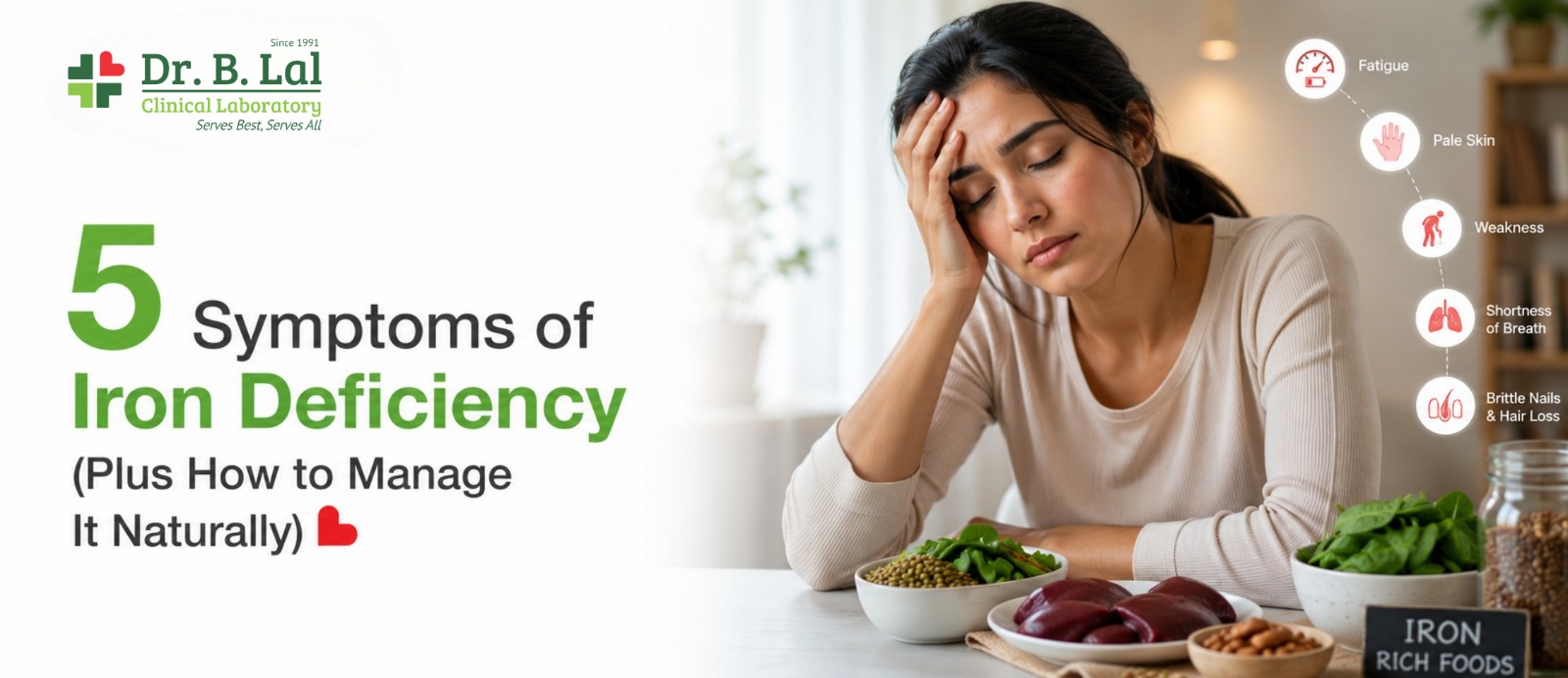
Iron is one of the most important minerals your body needs every day, yet iron deficiency remains one of the most common nutritional deficiencies worldwide. Many people live with low iron levels for months—or even years—without realizing that their everyday symptoms are linked to an iron shortage.
Tired all the time? Struggling to concentrate? Noticed weird changes in your skin and hair? These issues might not just be from living a busy life – they could mean you're iron deficient.
This piece looks at typical iron deficiency symptoms, why they happen, and how to boost your iron naturally.
What Is Iron Deficiency?
Iron is super important for making hemoglobin, a protein in red blood cells that carries oxygen. If you don't have enough iron, your body can't make plenty of healthy red blood cells. So, you might get iron deficiency anemia.
Iron deficiency can develop due to several reasons, including:
- Poor intake of iron
- Heavy menstrual bleeding
- Pregnancy
- Frequent blood loss
- Digestive disorders that affect nutrient absorption
- Increased iron requirements during growth periods
Recognizing the early signs can help prevent complications and support better overall health.
1. Persistent Fatigue and Low Energy
One of the first signs of iron deficiency is always feeling tired. When your body doesn't have enough iron, less oxygen gets to your muscles and organs. Because of this, basic tasks become super tiring. People often say they feel exhausted, even after a full night's sleep.
You may notice:
- Difficulty getting through the day
- Feeling weak after minor physical activity
- Reduced stamina
- Lack of motivation
If fatigue persists despite adequate rest, it's worth checking your iron levels.
2. Pale Skin and Dark Under-Eye Circles
Healthy red blood cells give the skin its natural color. When iron levels drop, the skin may appear paler than usual.
Paleness can be noticeable on:
- The face
- Inside the lower eyelids
- Gums
- Nail beds
Some individuals also notice darker under-eye circles and a generally tired appearance.
While pale skin can occur for several reasons, iron deficiency is a common underlying cause that should not be overlooked.
3. Shortness of Breath and Dizziness
Ever feel out of breath after climbing some stairs or walking a bit? When you have low iron levels, less oxygen gets to your body's cells. So, to make up for it, your heart and lungs work extra hard — that's what can leave you feeling breathless.
- Shortness of breath
- Lightheadedness
- Frequent dizziness
- Rapid heartbeat
These symptoms often become more noticeable during exercise or physical activity.
If breathlessness appears suddenly or becomes severe, seek medical attention promptly.
4. Hair Fall and Brittle Nails
Hair and nails can show what's going on inside your body. When iron is low, the body sends oxygen to important organs first. So, the hair follicles and nail beds get less oxygen, which is why your hair and nails may change too.
Common signs include:
- Increased hair shedding
- Thinning hair
- Slow hair growth
- Brittle or weak nails
- Spoon-shaped nails in severe cases
While hair loss has multiple causes, iron deficiency is one of the most frequently overlooked contributors.
5. Difficulty Concentrating and Frequent Headaches
Iron is essential for healthy brain function.
Without sufficient iron, the brain receives less oxygen, which can affect concentration, memory, and mental clarity.
People with low iron levels may experience:
- Brain fog
- Difficulty focusing
- Reduced productivity
- Irritability
- Frequent headaches
Students, working professionals, and older adults often notice these symptoms first because they directly affect daily performance.
How to Manage Iron Deficiency Naturally
Mild iron deficiency can often be supported through dietary and lifestyle changes, although medical treatment may be necessary in some cases.
Include More Iron-Rich Foods
Adding iron-rich foods to your daily meals can help improve iron stores over time.
Good sources include:
Animal-based sources (heme iron):
- Lean red meat
- Chicken
- Fish
- Eggs
Plant-based sources (non-heme iron):
- Spinach
- Lentils
- Chickpea
- Kidney bean
- Tofu
- Pumpkin seed
- Sesame seed
Heme iron is generally absorbed more efficiently than plant-based iron.
Pair Iron with Vitamin C
Vitamin C helps the body absorb iron more effectively.
Try combining iron-rich foods with:
- Orange
- Lemon
- Amla
- Guava
- Tomato
- Bell pepper
For example, adding lemon juice to lentils or having a fruit rich in vitamin C alongside meals can enhance iron absorption.
Limit Iron Absorption Blockers
Certain foods and beverages can reduce iron absorption when consumed with meals.
These include:
- Tea
- Coffee
- Excess calcium supplements
Consider consuming them at least one to two hours away from iron-rich meals whenever possible.
Maintain a Balanced Diet
Eating protein, vitamins, and minerals helps make healthy blood and keeps you well. Also, regular meals, staying hydrated, and getting enough sleep boost your energy and help recover faster, so feel better all around.
When Should You Get Tested?
Because iron deficiency symptoms often overlap with other health conditions, testing is the most reliable way to confirm the cause.
You should consider an iron assessment if you experience:
- Unexplained fatigue
- Persistent hair fall
- Frequent dizziness
- Short of breath
- Pale skin
- Heavy menstrual bleeding
A healthcare professional may recommend blood tests such as hemoglobin, serum ferritin, and iron profile tests to evaluate your iron status accurately.
Final Thoughts
Iron deficiency is serious because it can mess with more than just your energy. Concentration and physical performance tank too, plus you might see a dip in your looks and feel awful in general.
Getting tired all the time? How about that hair loss? Or maybe you get dizzy a lot? Don't brush these symptoms aside – do a blood test to check your iron levels. It could point you towards some easy fixes for feeling way better.
Tend to your iron needs now, and you'll keep your pep and health up for years to come.