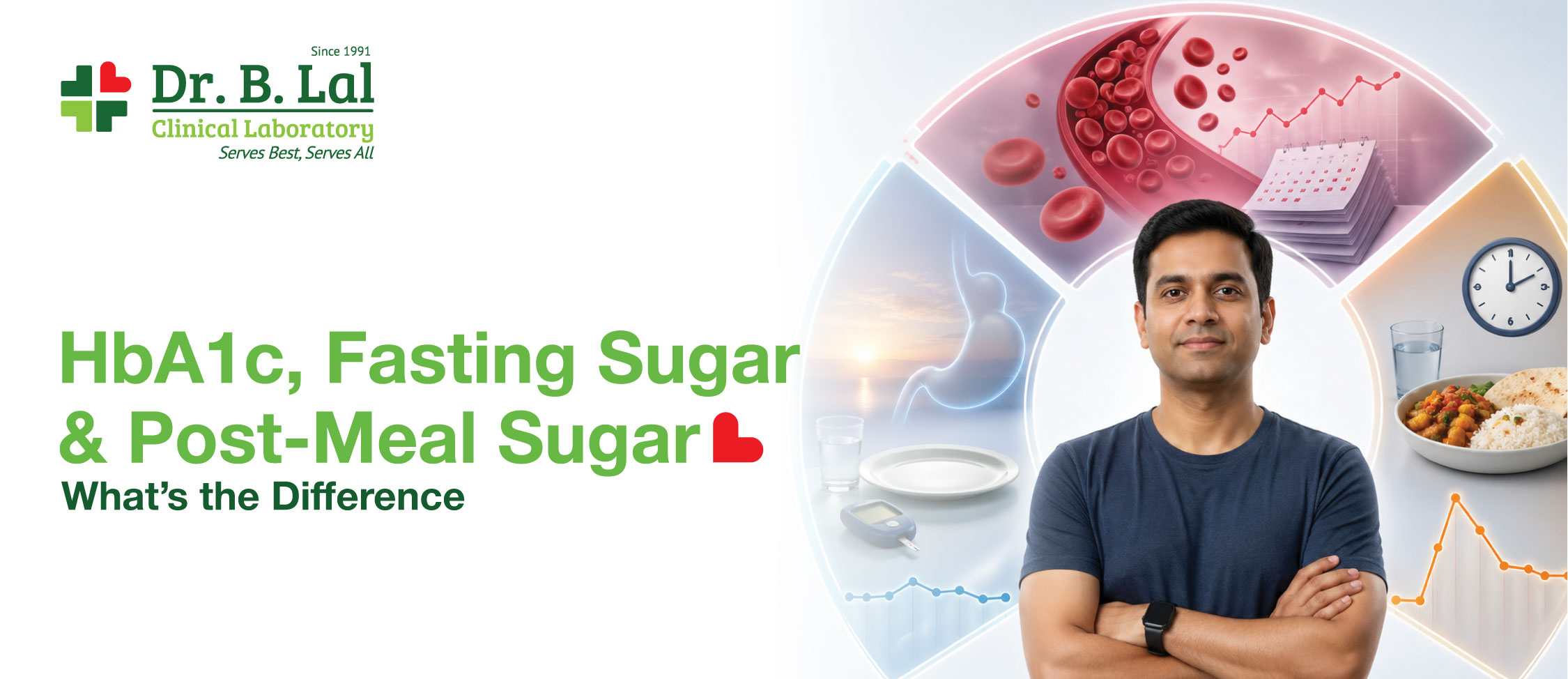
If you want to measure your blood sugar levels, you must be aware of at least three types of tests, including HbA1c, fasting sugar, and postprandial sugar test. It is common for you to be confused regarding these three.
It is important to remember that most people believe these tests are similar, there is an aspect that makes them different. Understanding their differences is very helpful if you wish to manage your diabetes.
Let us get into more details about these tests.
Why Blood Sugar Testing Matters
Glucose serves as the fuel for your body. An imbalance of sugar in your body may cause severe complications.
Many diseases such as diabetes evolve gradually, which means that regular checkups are crucial since they will alert you even if there are no symptoms yet.
1. What is Fasting Blood Sugar?
Fasting blood sugar (FBS) measures your blood sugar level after you haven’t eaten for at least 8 hours. Usually, this test is done in the morning before breakfast.
What does it show?
This test tells you how your body manages sugar when you are not eating. It mainly reflects your body’s baseline sugar level.
Normal Range:
- Normal: 70–99 mg/dL
- Prediabetes: 100–125 mg/dL
- Diabetes: 126 mg/dL or higher
When is it useful?
- Early detection of diabetes
- Routine health checkups
- Monitoring long-term sugar control
Simple example:
Think of fasting sugar as checking your “starting point” for the day.
2. What is Post-Meal Blood Sugar?
Post-meal blood sugar (PPBS) is tested about 2 hours after eating a meal.
What does it show?
This test tells you how your body handles sugar after food intake. It shows how effectively insulin is working.
Normal Range:
- Normal: Less than 140 mg/dL
- Prediabetes: 140–199 mg/dL
- Diabetes: 200 mg/dL or higher
When is it useful?
- Check how your body respond to food
- Adjusting diet and medications
- Identifying sugar spikes
Simple example:
If fasting sugar is your starting point, post-meal sugar is how high your sugar rises after eating.
3. What is HbA1c?
HbA1C (glycated hemoglobin) test is a different. While regular blood glucose test can measure your blood sugar at one particular point in time, the HbA1C test will show you what your average blood sugar was in last 2-3 months.
How does it work?
As soon as you get sugar in your blood, the glucose gets attached to the hemoglobin, a protein contained in your red blood cell.
Normal Range:
- Normal: Below 5.7%
- Prediabetes: 5.7% – 6.4%
- Diabetes: 6.5% or higher
When is it useful?
- Diagnosing diabetes
- Monitoring long-term control
- Evaluating treatment effectiveness
Simple example:
If fasting and post-meal sugar are like snapshots, HbA1c is like a 3-month report card.
Key Differences Between These Test
| Test Type | When It’s Done | What It Shows |
| Fasting Sugar | After 8–10 hours fast | Baseline sugar level |
| Post-Meal Sugar | 2 hours after eating | Sugar spikes after meal |
| HbA1c | Anytime | 3-month average sugar level |
Why You Need All Three Tests
Many people wonder, “If I’m doing one test, why do I need the others?”
The truth is, no single test gives the full picture.
- Your fasting sugar may be normal, but post-meal sugar could be high
- Your daily readings may look fine, but HbA1c could still be elevated
- You might miss early warning signs if you rely on just one test
Doctors often recommend a combination of these tests for accurate diagnosis and monitoring.
Common Mistakes People Make
1. Ignoring post-meal sugar
Although some people monitor only fasting sugar, this does not mean that their condition is perfect because post-meal sugar spikes also harm their health.
2. Relying only on HbA1c
Despite its usefulness, HbA1c does not allow you to track day-to-day fluctuations of sugar level, meaning that you might still have both high and low sugar periods.
3. Skipping regular testing
Your sugar might be too high even though you feel perfectly fine.
Symptoms You Should Not Ignore
High blood sugar doesn’t always show clear signs, but watch out for:
- Frequent urination
- Excessive thirst
- Fatigue
- Blurred vision
- Slow wound healing
If you notice these symptoms, it’s better to go for a blood test as soon as possible.
How Often Should You Get Tested?
It depends on your condition:
- Healthy individuals: Once a year
- Prediabetic: Every 3–6 months
- Diabetic: As advised by your doctor (often every 2–3 months for HbA1c)
Tips to Keep Your Blood Sugar in Control
Managing your sugar level doesn’t have to be complicated. Small daily habits can make a big difference.
1. Eat balanced meals
Include fiber, protein, and healthy fat. Avoid too much sugar and refined carb.
2. Stay active
Even a 30-minute walk daily can help control sugar level.
3. Monitor regularly
Keep track of your reading and share them with your doctor.
4. Manage stress
Stress can increase blood sugar level. Try meditation or simple breathing exercises.|
5. Get proper sleep
Poor sleep can affect insulin function.
When Should You Consult a Doctor?
You should seek medical advice if:
- Your fasting sugar is consistently above 100 mg/dL
- Your post-meal sugar goes above 140 mg/dL
- Your HbA1c is above 5.7%
- You experience symptom of high or low sugar
Early action can prevent complications like nerve damage, kidney issues, and heart problems.
Final Thoughts
Understanding the difference between HbA1c, fasting sugar, and post-meal sugar is not just for people with diabetes—it’s important for everyone.
Here is what each tells you about yourself:
- Fasting sugar shows your baseline
- Post-meal sugar shows how your body reacts to food
- HbA1c shows your long-term control
When taken together, they will show you everything there is to know about your health.
Taking control of your blood sugar now will prevent many problems from developing later on. Don’t neglect that little blood test – you can learn so much from it!