Among the long list of blood tests done during pregnancy, HBsAg is one that's easy to overlook; it's usually just one line item on a prenatal panel alongside blood group, HIV, and thyroid tests. But it's also one of the more important ones on that list, because unlike many pregnancy-related tests, this one has a direct, well-established way of protecting the baby if the result comes back positive provided it's caught in time.
What HBsAg Is and Why It's Tested in Pregnancy
HBsAg stands for hepatitis B surface antigen, a protein on the outer coat of the hepatitis B virus. Its presence in the blood indicates that hepatitis B virus is currently present in the body, whether as a new infection or a long-standing chronic one.
Hepatitis B matters enormously in pregnancy because the virus can pass from mother to baby — a route called mother-to-child or vertical transmission — most commonly during labour and delivery, when the baby is exposed to the mother's blood and body fluids. Without any preventive treatment, this transmission happens in a large proportion of babies born to HBsAg-positive mothers, and it's a particularly consequential kind of infection: babies infected at birth are far more likely than adults to go on to develop chronic hepatitis B, which carries long-term risks of liver disease and liver cancer later in life.
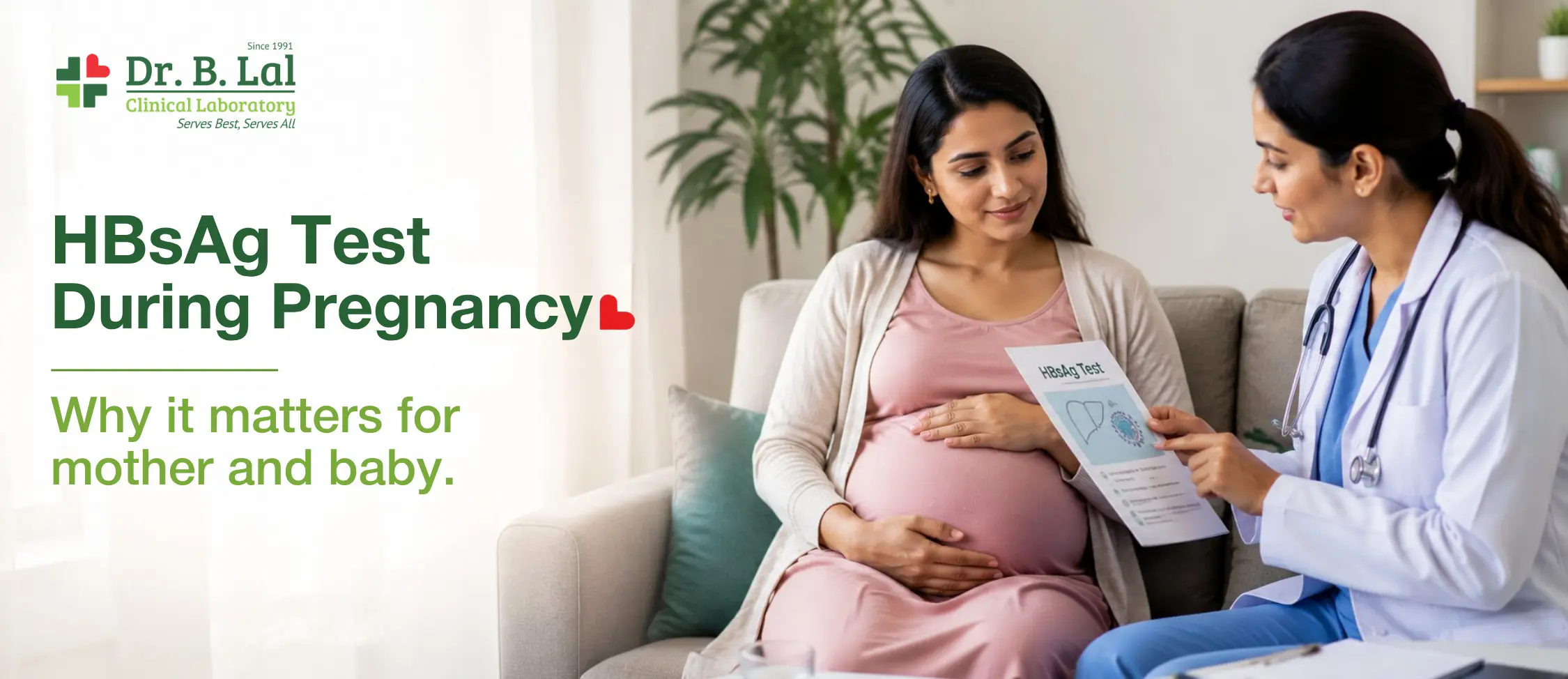
Because of this, HBsAg testing is recommended as a routine part of antenatal screening for every pregnant woman, typically done during the first trimester regardless of symptoms or perceived risk, since hepatitis B often causes no noticeable symptoms at all.
What a Reactive Result Means
A reactive, or positive, HBsAg result during pregnancy means the mother has hepatitis B virus in her blood — either an infection that developed during pregnancy or, more commonly, one she's had for some time without knowing it, since chronic hepatitis B frequently goes undetected for years. It doesn't automatically mean the baby will get infected, and it isn't, by itself, a reason for panic. What it does mean is that a clear, well-established medical protocol needs to kick in, and the timing of that protocol matters a great deal.
Once HBsAg positivity is confirmed, doctors typically order additional tests to understand the infection better — including HBeAg (a marker of how actively the virus is replicating) and HBV DNA viral load. These additional results help doctors judge how infectious the mother is likely to be at delivery and whether any additional treatment during pregnancy is warranted.
How Transmission to the Baby Is Prevented
This is genuinely the most important part of the picture, and also the most reassuring one: mother-to-child transmission of hepatitis B is highly preventable with the right steps taken at the right time.
Immunoprophylaxis at birth: Every infant delivered by an HBsAg-positive mother should get two types of treatment within 12-24 hours of delivery: the first dose of the hepatitis B vaccine and the dose of hepatitis B immune globulin (HBIG), which must be administered using a different site. It has been demonstrated that this dual treatment leads to a marked decrease in the mother-to-child transmission rate of 70-90%, when no measures are taken, to 5-10%, and the vaccine schedule is completed with further administration at one-two months and at six months of age.
Antiviral treatment during pregnancy, in some cases: For mothers with a high viral load (high HBV DNA levels), doctors may recommend antiviral medication during the third trimester. This reduces the mother's viral load around the time of delivery and further lowers the already-reduced risk of transmission, particularly relevant for the small percentage of babies where the standard vaccine-plus-HBIG approach alone doesn't fully prevent infection.
Monitoring the baby afterward: Babies born to HBsAg-positive mothers are typically tested after completing their vaccine series, usually around 9 to 12 months of age, to confirm the immunisation worked and that they haven't been infected.
Does This Mean a Different Kind of Delivery?
This is a common concern, and the reassuring answer is: not necessarily. Having hepatitis B doesn't automatically mean a caesarean delivery is required — the mode of delivery is decided based on standard obstetric factors, not HBsAg status alone, since a planned C-section hasn't been shown to meaningfully reduce transmission risk on its own once proper immunoprophylaxis is planned for the baby. What matters far more than delivery mode is making sure the hospital and paediatric team know the mother's HBsAg status in advance, so the vaccine and HBIG are ready to be given to the baby without delay after birth.
Book Now this test for better screening - HBsAg Rapid Method
What About Breastfeeding?
Another question that comes up often: breastfeeding is generally considered safe for babies born to HBsAg-positive mothers, provided the baby has received the birth dose of vaccine and HBIG as recommended. The protective effect of timely immunisation is well-established enough that breastfeeding is not typically restricted on account of hepatitis B status.
What This Means for the Mother's Own Health
A positive HBsAg result during pregnancy is also an opportunity to look after the mother's own long-term health, not just the baby's. Chronic hepatitis B can affect liver health over years, so a positive result during pregnancy is a reasonable prompt to follow up with a liver specialist after delivery for ongoing monitoring, even if the mother feels completely well. Partners and other close family members should also be tested and, if not already immune, vaccinated.
Conclusion
The HBsAg test during pregnancy exists precisely because a positive result, caught early, opens the door to a well-proven set of steps that dramatically lower the risk to the baby. A reactive result isn't something to be alarmed by on its own — it's a signal to follow a clear, effective protocol: timely testing, appropriate monitoring during pregnancy, and prompt vaccination and immunoglobulin for the baby right after birth. This is one of the clearer examples in prenatal care where a routine blood test, taken seriously and acted on in time, makes a substantial, measurable difference.