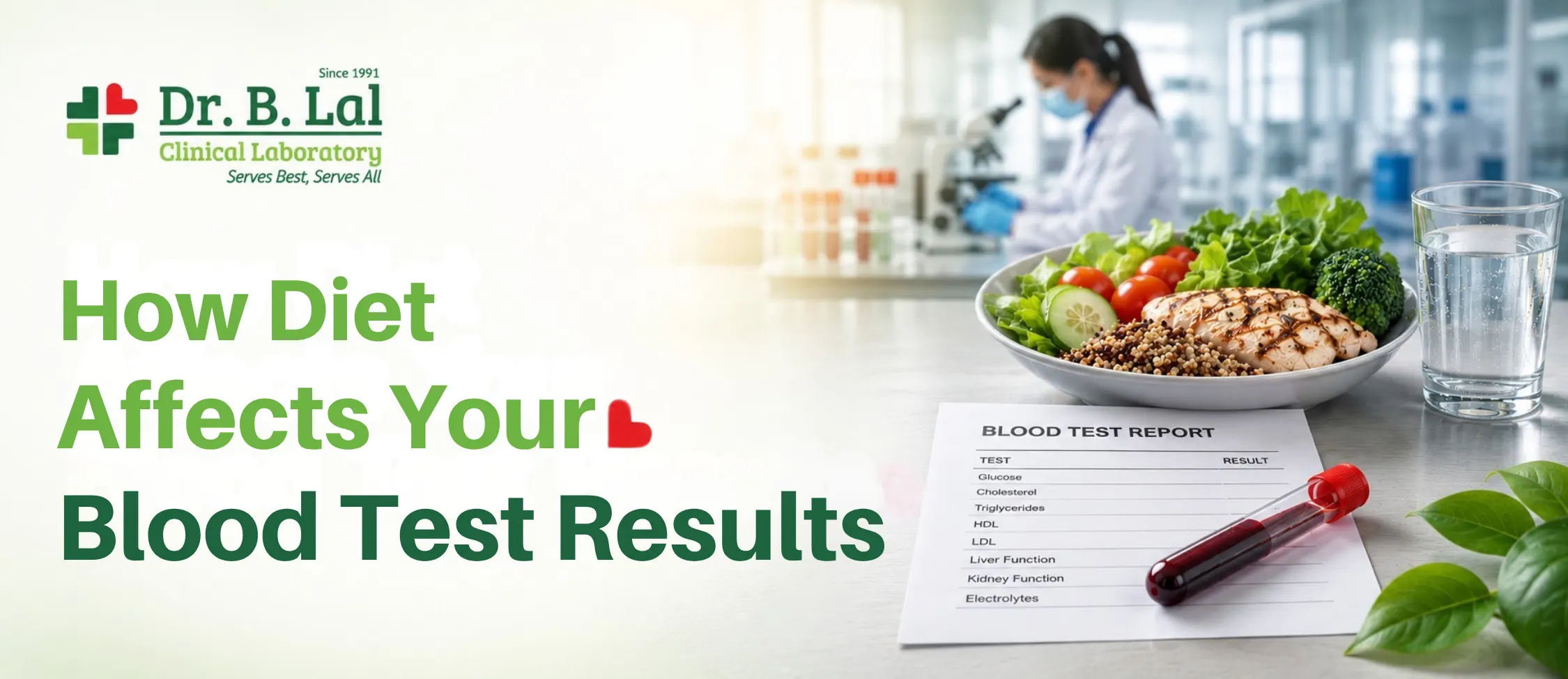
Have you ever been asked to fast before a blood test and wondered why? Many people believe that eating one meal or having a cup of tea before testing won't make much difference. However, your diet can significantly influence certain blood test results and may even lead to inaccurate readings.
The foods and beverages you consume before a blood test can temporarily change your blood sugar, cholesterol, triglycerides, vitamins, hormones, and other important health markers. Understanding how diet affects your blood test results helps ensure you receive the most accurate diagnosis and treatment recommendations.
In this article, we'll explain how food impacts blood tests, which tests require fasting, and what you should eat—or avoid—before your appointment.
Why Does Diet Matter Before a Blood Test?
All the foods and drinks you consume become part of your blood once digestion takes place. Such a process is known to affect different elements that labs measure when conducting blood tests.
Consuming foods that contain lots of carbohydrates increases the level of glucose in the blood, while consumption of fatty foods may increase the level of triglycerides for several hours. Even drinks such as coffee and alcohol can affect different results.
That's why healthcare practitioners usually give certain dietary instructions before conducting blood tests.
Blood Tests That Are Most Affected by Diet
Not every blood test requires fasting, but some are highly influenced by recent food intake.
1. Blood Sugar (Glucose) Tests
Blood glucose tests measure the amount of sugar in your bloodstream. Eating before the test can significantly increase glucose levels, potentially giving a false impression of diabetes or poor blood sugar control.
Tests commonly affected include:
- Fasting Blood Sugar
- Oral Glucose Tolerance Test
- HbA1c
Most fasting glucose tests require 8–12 hours without food.
2. Lipid Profile Test
A lipid profile measures:
- Total cholesterol
- LDL (bad cholesterol)
- HDL (good cholesterol)
- Triglycerides
Consuming fatty foods before testing can especially increase triglyceride levels. Although some modern guidelines allow non-fasting lipid tests, many doctors still recommend fasting for more accurate triglyceride measurements.
3. Iron Studies
Testing for iron level through such tests like serum iron and ferritin can be affected by iron-containing foods and iron supplement intake shortly before testing.
Intake of iron supplements before performing blood tests can increase the serum iron level.
4. Vitamin Tests
However, blood tests for other vitamins like vitamin B12 and vitamin D can also be affected by their consumption recently. Physicians usually recommend refraining from taking vitamin supplements at least for some time before conducting tests, unless recommended otherwise.
5. Liver Function Tests
A heavy meal, alcohol intake, and some dietary practices may transiently affect liver enzyme levels. It is advisable to refrain from alcohol at least 24 hours prior to liver function tests.
Foods to Avoid Before a Blood Test
If your doctor has advised fasting, you should avoid all foods during the fasting period. Some common items that can affect blood test results include:
Sugary Foods and Drinks
Sweets, soft drinks, fruit juices, and desserts can rapidly increase blood sugar levels, affecting glucose-related tests.
Fatty and Fried Foods
High-fat meals may elevate triglycerides and interfere with lipid profile results for several hours after eating.
Alcohol
Alcohol can affect:
- Blood sugar level
- Liver function test
- Triglyceride
- Electrolyte balance
Avoid alcohol consumption at least 24 hours before your test unless your healthcare provider advises otherwise.
Caffeinated Beverages
Tea, coffee, energy drinks, and some soft drinks may stimulate metabolic processes and potentially influence blood sugar and hormone tests. Water is usually the safest choice during fasting.
Can Drinking Water Affect Blood Test Results?
The good news is that plain water is generally allowed and encouraged before most fasting blood tests.
Drinking water helps:
- Prevent dehydration
- Make veins easier to locate
- Improve the blood collection process
However, avoid adding sugar, lemon, or flavoring agents to your water, as these may break your fast.
What Happens If You Eat Before a Fasting Blood Test?
Eating before a fasting blood test can lead to inaccurate or misleading results. This may result in:
- Incorrect diagnosis
- Repeat testing
- Delayed treatment decisions
- Unnecessary medical concerns
If you accidentally eat before your scheduled test, inform the laboratory staff or your doctor. In many cases, the test may need to be rescheduled for better accuracy.
How Long Should You Fast Before a Blood Test?
Fasting requirements vary depending on the type of test. General recommendations include:
| Blood Test | Recommended Fasting Duration |
| Fasting Blood Sugar | 8–12 hours |
| Lipid Profile | 9–12 hours |
| Iron Studies | 8–12 hours |
| Liver Function Test | As advised by your doctor |
| Vitamin Tests | Follow laboratory instructions |
Always follow the specific instructions provided by your healthcare provider or diagnostic laboratory.
Tips to Prepare for Accurate Blood Test Results
To ensure reliable results, keep these simple tips in mind:
- Follow fasting instructions carefully.
- Drink plenty of plain water.
- Avoid alcohol before testing.
- Do not take supplements unless approved by your doctor.
- Inform your healthcare provider about medications you are taking.
Schedule morning appointments if fasting is required, making it easier to avoid eating overnight.
The Bottom Line
The type of food that you consume affects the accuracy of the results of most blood tests. The foods and drinks you take before testing change your glucose levels, blood cholesterol, triglycerides, iron, and other health markers.
Knowing how your diet may affect the results of your blood tests will help you get ready for the test. This will guarantee that your report actually reflects your true health state.
In case of any uncertainty about whether your blood test should be done after fasting, it is recommended that you seek advice from your health practitioner or lab.