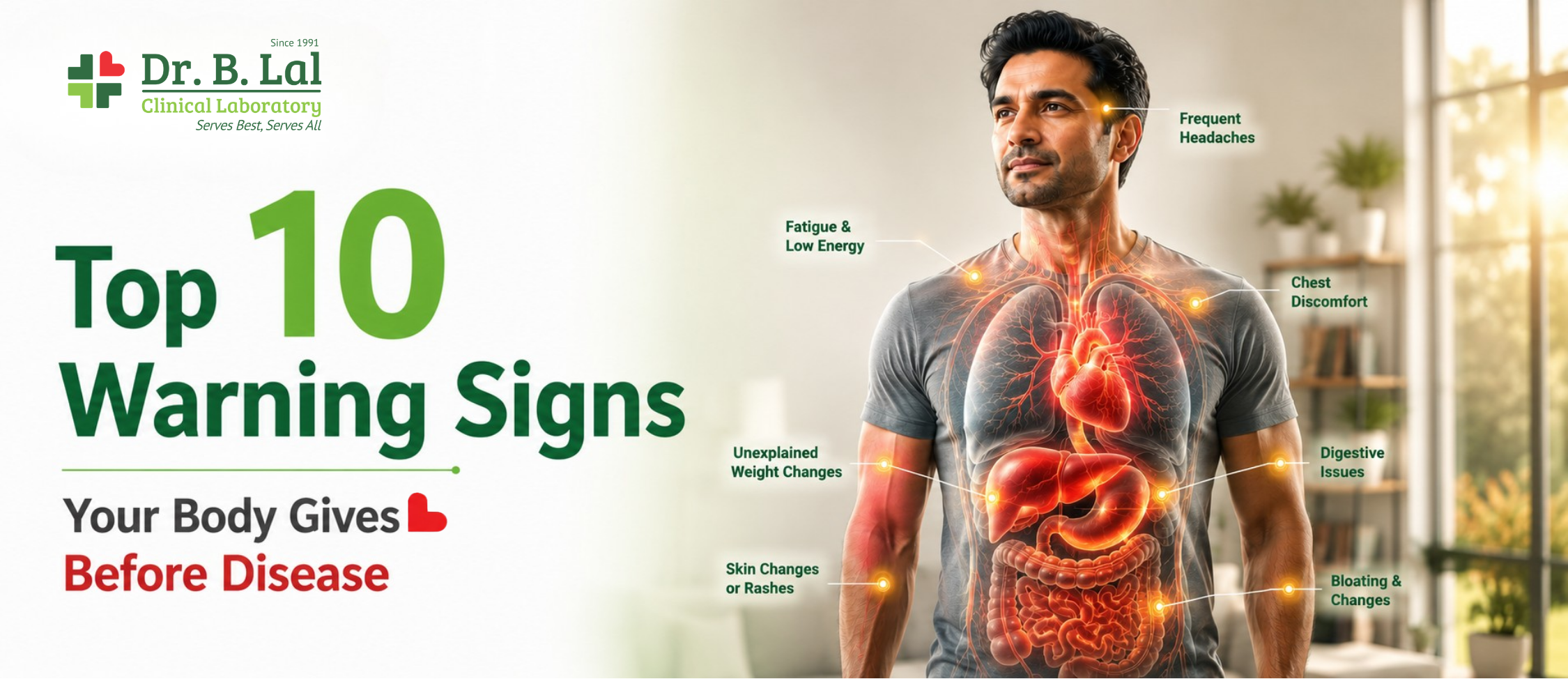
Our body has a remarkable way of communicating with us. Long before a disease becomes serious, it often sends subtle signals that something is not right. Many people ignore these early symptoms, thinking they are due to stress, lack of sleep, or a busy lifestyle. However, paying attention to these warning signs can help detect health problems early and prevent complications.
Early diagnosis and timely treatment can make a huge difference in managing many diseases. Here are the top 10 warning signs your body gives before disease and why you should never ignore them.
1. Unexplained Fatigue
Feeling tired after a long day is normal. But if you constantly feel exhausted even after getting enough rest, it may indicate an underlying health issue.
Possible Causes:
- Anemia
- Diabetes
- Thyroid disorders
- Heart disease
- Vitamin deficiencies
- Chronic infections
Persistent fatigue is one of the most common early signs of disease and should not be ignored.
2. Sudden Weight Loss Without Trying
Losing weight through diet and exercise is healthy. However, losing weight unexpectedly without making lifestyle changes can be concerning.
Possible Causes:
- Diabetes
- Hyperthyroidism
- Cancer
- Liver disease
- Digestive disorders
- Tuberculosis
If you lose more than 5% of your body weight within six months without trying, consult your doctor.
3. Frequent Fever or Infections
Infections occur occasionally, but continuous fever or infections may indicate that there is an issue with your immune system.
Causes:
- Autoimmune disorder
- Blood disorder
- Diabetes
- HIV/AIDS
- Certain types of cancer
Continuous infections could be the body’s response to tell you that there is a need for medical intervention.
4. Persistent Changes in Bowel Habits
Changes in bowel movements lasting for several weeks deserve attention.
Watch for:
- Chronic constipation
- Diarrhea
- Blood in stool
- Narrow stools
- Unusual abdominal pain
Possible Causes:
- Irritable bowel syndrome
- Inflammatory bowel disease
- Colon cancer
- Food intolerance
- Gastrointestinal infections
Ignoring these symptoms may delay diagnosis of serious digestive conditions.
5. Shortness of Breath
Breathlessness after strenuous exercise is normal, but difficulty breathing during regular activities or while resting should be evaluated.
Causes:
- Heart disease
- Asthma
- Lung infections
- Chronic obstructive pulmonary disease
- Anemia
Shortness of breath can be an early sign of cardiovascular or respiratory disease.
6. Persistent Headaches
Headaches sometimes occur in everyone's lives. Headaches which are very serious, occurring often, and unusual need medical attention.
Causes:
- High blood pressure
- Migraine
- Brain tumors
- Stroke
- Sinus infection
- Neurological disorders
Medical attention is needed if headaches are coupled with weakness, confusion, or vision problems.
7. Changes in Skin, Hair, or Nails
The condition of your skin, hair, and nails often reflects your internal health.
Signs to Watch For:
- Yellowing of eyes
- Pale skin
- Dark patches
- Hair thinning
- Brittle nail
Causes:
- Liver disease
- Iron deficiency
- Thyroid problem
- Diabetes
- Nutritional deficiencies
These external changes can sometimes provide the first clues to an underlying disease.
8. Excessive Thirst and Frequent Urination
Constant thirst combined with increased urination is one of the classic warning signs of diabetes.
Possible Causes:
- Type 1 diabetes
- Type 2 diabetes
- Kidney disorders
- Hormonal imbalance
Early detection of diabetes helps prevent complications affecting the heart, kidneys, eyes, and nerves.
9. Unexplained Pain That Doesn't Go Away
Persistent pain is never normal. Pain lasting weeks or months without an obvious cause should be investigated.
Common Types:
- Chest pain
- Back pain
- Joint pain
- Abdominal pain
- Bone pain
Possible Causes:
- Arthritis
- Heart disease
- Kidney stones
- Gallbladder disease
- Cancer
- Infections
Chronic pain is your body's way of saying that something needs attention.
10. Changes in Mood, Memory, or Sleep Patterns
Mental and emotional symptoms are often overlooked, but they can indicate physical illnesses as well.
Warning Signs:
- Difficulty concentrating
- Memory problems
- Depression
- Anxiety
- Sleeping too much or too little
Possible Causes:
- Thyroid disorder
- Vitamin B12 deficiency
- Hormonal imbalance
- Neurological diseases
- Depression
- Chronic stress
Addressing these symptoms early can improve both mental and physical health.
When Should You See a Doctor?
See a doctor if you have:
- Symptoms lasting longer than 2 week.
- Unintentional and inexplicable weight loss.
- Fatigue despite having enough sleep.
- Chronic pain and shortness of breath.
- Blood in urine, stool, or sputum.
- Frequent fevers or infection.
- Unusual symptoms affecting your everyday activities.
Note that most illnesses can be managed better at an early stage.
How to Prevent Serious Diseases
While not every illness can be prevented, healthy habits can significantly reduce your risk.
- Maintain a Healthy Lifestyle
- Eat a balanced diet.
- Stay physically active.
- Get 7–9 hours of quality sleep.
- Avoid smoking and alcohol consumption.
- Manage stress.
- Stay hydrated.
Schedule Regular Health Checkups
Blood tests and screenings may provide early diagnosis of many health conditions before the symptoms become serious. Diseases such as diabetes, high levels of cholesterol, thyroid issues, liver diseases, kidney diseases, and other vitamin deficiencies tend to progress without any evident signs.
Final Thoughts
The body always sends certain messages when there is something wrong with the person. Constant fatigue, weight loss without a particular reason, frequent illnesses, irregularities in bowel movement, shortness of breath, constant thirst, pain, and unexpected changes in mood and skin must be taken seriously.
Early recognition of these disease markers helps receive an accurate diagnosis and proper treatment. It is important to pay attention to the body’s messages instead of waiting until symptoms become too serious.