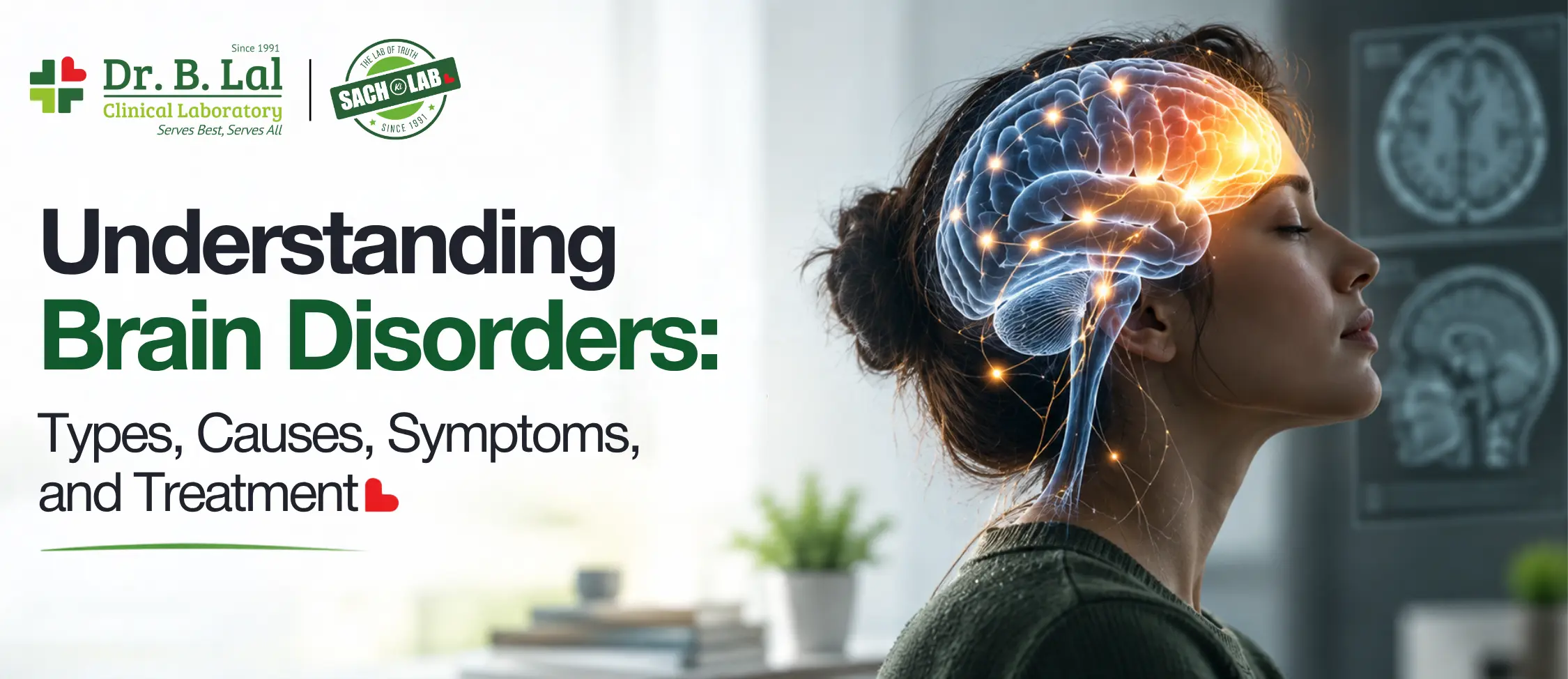
"Brain disorder" is one of those terms that sounds specific but actually covers an enormous range of ground — everything from a childhood developmental condition like ADHD, to a progressive illness like Alzheimer's, to a sudden event like a stroke, to a psychiatric condition like depression. What ties all of these together is simply that they disrupt how the brain is structured, how it communicates internally, or how it processes information. Understanding the different categories of brain disorders actually matters practically, because the cause, the symptoms, and the treatment approach can look completely different depending on which category a condition falls into.
The Major Types of Brain Disorders
Doctors and researchers generally sort brain disorders into several broad categories, though a number of conditions genuinely straddle more than one:
Neurodegenerative brain disorders involve the progressive loss of brain cells over time, usually linked to abnormal proteins accumulating inside neurons. Alzheimer's disease, Parkinson's disease, and ALS (amyotrophic lateral sclerosis) fall here. These conditions are typically slow-moving and become considerably more common with age, though they're not considered a normal part of aging itself.
Psychiatric brain disorders - depression, bipolar disorder, schizophrenia, anxiety disorders, involve disrupted communication between brain cells rather than visible structural damage on a standard scan. Mental illness affects roughly 1 in 5 adults, and the growing scientific consensus is that faulty neuron-to-neuron communication underlies these conditions too, not just personal weakness or circumstance, which is exactly why effective treatment usually combines medication with therapy rather than one or the other alone.
Neurodevelopmental brain disorders emerge during early brain formation, typically showing up before school age. Autism spectrum disorder, ADHD, intellectual disability, and specific learning disorders fall into this category, and they affect personal, social, and academic functioning in ways that usually benefit from early intervention and structured support.
Cerebrovascular brain disorders result from disrupted blood flow to the brain. Stroke is the clearest example — a sudden interruption of blood supply that kills brain cells within minutes and can impair speech, movement, or thinking depending on which area is affected. Vascular dementia, caused by repeated smaller disruptions in blood flow over time, also falls here.
Traumatic brain disorders result from a direct blow or jolt to the head, ranging from a mild concussion to severe, permanent injury. Severity and recovery depend heavily on the force involved and which part of the brain was affected.
Infectious and inflammatory brain disorders, such as encephalitis or meningitis, occur when infection or inflammation directly affects brain tissue, and can produce effects ranging from headache and confusion to seizures, vision changes, or paralysis depending on severity.
Genetic brain disorders result from inherited or spontaneous gene changes that affect brain development or function, sometimes present from birth and sometimes only becoming apparent later in life.
Also Read - Early Signs of Brain Tumor
Common Symptoms Across Different Types of Brain Disorders
Given the diversity of mechanisms involved in brain problems, the range of possible symptoms can be very wide, yet certain general patterns occur often: pain, which may involve headache or pains in the neck and back; alterations in muscle movement such as weakness, shaking, stiffness, or difficulties in movement coordination; changes in memory and thinking processes such as confusion or inability to concentrate; mood and behavioral alterations; and seizures in certain conditions. One thing is noteworthy in regard to such symptoms as fatigue, memory impairment, or mood alteration because sometimes it is rather difficult to identify whether the disorder belongs to the first or the second group.
What Causes Brain Disorders
The causes behind brain disorders are genuinely varied, and in many cases, more than one factor is involved at once:
- Genetics - some brain disorders trace to a single gene mutation, while others, like schizophrenia or autism, involve complex combinations of many genetic factors interacting with the environment
- Age-related cellular changes - natural wear on brain cells over decades, combined with a gradually reduced capacity for self-repair, explains why neurodegenerative conditions become more common later in life
- Injury or trauma - a direct blow to the head, or in some cases, repeated smaller impacts over time
- Infection or inflammation - certain viruses, bacteria, or autoimmune processes can directly damage brain tissue
- Abnormal development - congenital conditions affecting how the brain forms before or shortly after birth
- Lifestyle and environmental factors - physical activity, sleep quality, and cardiovascular health all measurably influence risk for several major categories of brain disorders, which is genuinely one of the more encouraging, actionable pieces of this picture
Why Diagnosing Brain Disorders Can Be Genuinely Tricky
This is something worth noting since this accounts for the reason why some cases are not easily diagnosed by the time people expect it to happen. Some thyroid problems, deficiency in vitamin B12, infections, as well as auto-immune diseases are just some examples of organic conditions that can present themselves in the same way as depression, confusion or even psychosis, and that’s the very reason why it is imperative to undergo a complete medical investigation first before confirming a case as a psychiatric disorder. It may even be difficult to distinguish neurological disorders that arise quickly from psychiatric illness, especially among older individuals.
How Brain Disorders Are Actually Diagnosed
Diagnosis typically starts with a detailed symptom history and a neurological examination assessing reflexes, coordination, memory, and sensory function. From there, depending on what's suspected, additional testing may include blood tests to rule out metabolic or infectious causes, an EEG to check electrical activity in the brain, an EMG for nerve and muscle function, and brain imaging, MRI or CT scans, which have genuinely transformed diagnosis by revealing tumors, strokes, structural damage, or signs of neurodegeneration with a level of detail that wasn't possible even a couple of decades ago.
How Brain Disorders Are Treated
There are very different methods of treatments that vary according to categories, which makes the importance of proper diagnosis self-evident. In cases of neurodegenerative diseases, there are no cures, but the use of medicines and therapies can only slow down the disease progress. The treatment of psychiatric illnesses is more efficient when the two types of treatment – therapy and medications are used together, rather than any of them individually. Early intervention and therapy are the best solution in the case of neurodevelopmental disorders. When a cerebrovascular accident occurs, the immediate treatment of the patient should be undertaken to improve blood flow to the brain and then regain functions that have been lost. In almost all cases, early diagnosis leads to better results and this is the core of the matter.
Conclusion
Disorders of the brain are exceptionally varied from degenerative, developmental, psychological, vascular, traumatic, infectious to genetic, each with unique mechanisms and unique approaches for management. In many instances, the boundaries of the disorders overlap and may result in real diagnostic challenges, but it is precisely this fact that makes changes in the state of mind, memory, movement or cognitive function worthy of medical assessment as opposed to presumptions on the type of the disorder. Identifying symptoms and making an accurate diagnosis will always be the most powerful tool available in managing almost any type of brain disorders.