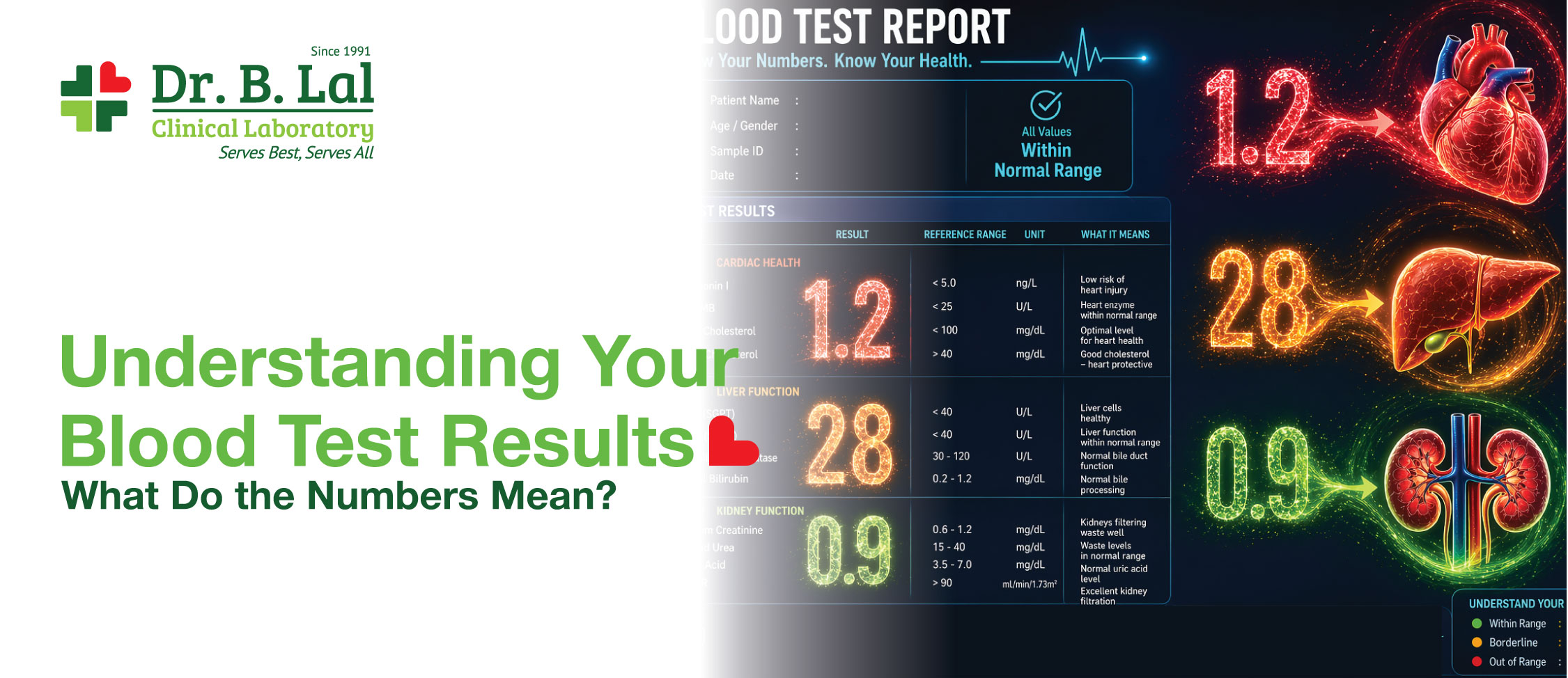
Understanding blood test report is not always easy. You see all the numbers, abbreviation, and range, but what do they actually mean? If you’ve ever looked at your blood test report and felt confused, you’re not alone.
This guide will help you understand your blood test results in a simple and clear way, so you can feel more confident about your health.
Why Blood Tests Are Important
Blood tests give a quick snapshot of what’s happening inside your body. They help doctor:
- Check overall health
- Detect diseases early
- Monitor ongoing conditions
- Evaluate how well treatments are working
Even if you feel fine, a routine blood test can reveal hidden issues.
What Is a “Normal Range”?
Every test result comes with a reference range (also called a normal range). This shows the expected values for a healthy person.
But here’s something important:
- “Normal” can vary based on age, gender, and lifestyle
- Slightly high or low results don’t always mean something is wrong
Your doctor looks at the full picture—not just one number.
Common Blood Test Components Explained
Let’s break down the most common parts of a blood test report.
1. Complete Blood Count (CBC)
A CBC is one of the most basic and important tests.
Key components:
Hemoglobin (Hb):
- Carries oxygen in your blood
- Low levels may indicate anemia
High levels could mean dehydration or other conditions
White Blood Cells:
Fight infections
- High count may suggest infection
- Low count may weaken immunity
Platelets:
Help in blood clotting
- Low platelets can lead to bleeding issues
- High levels may increase clot risk
2. Blood Sugar (Glucose)
This test measures how much glucose is in your blood.
- Fasting Blood Sugar: Taken after 8–10 hours without food
- Normal range: Usually around 70–99 mg/dL
Higher levels may indicate diabetes or prediabetes.
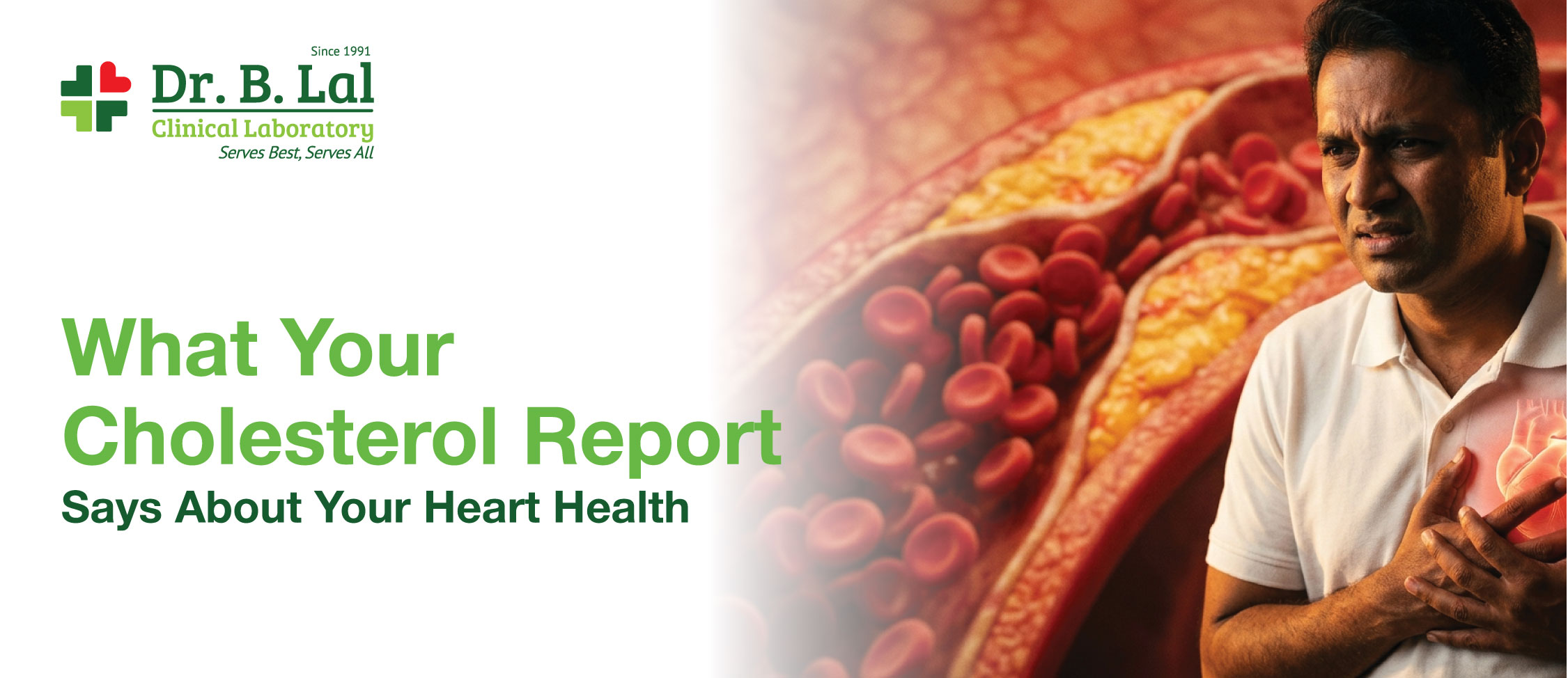
3. Lipid Profile (Cholesterol Test)
Lipid Profile checks your heart health.
Key values:
- Total Cholesterol
- LDL (Bad Cholesterol): High level increase heart risk
- HDL (Good Cholesterol): Helps protect your heart
- Triglycerides: High levels can be harmful
Keeping these numbers balanced is important for long-term health.
4. Liver Function Test (LFT)
LFT test shows how well your liver is working.
- ALT & AST: Enzymes that increase when the liver is damaged
- Bilirubin: High levels may cause jaundice
Abnormal values may point to liver infection, fatty liver, or other conditions.
5. Kidney Function Test (KFT)
This checks how well your kidneys are filtering waste.
- Creatinine: High levels may indicate kidney problems
- Urea: Elevated levels can suggest poor kidney function
6. Thyroid Function Test
This test checks hormone level that control metabolism.
TSH (Thyroid Stimulating Hormone):
- High TSH > underactive thyroid (hypothyroidism)
- Low TSH > overactive thyroid (hyperthyroidism)
How to Read Your Report Step-by-Step
Here’s a simple way to understand your report:
- Look at the test name – What is being measured?
- Check your value – Your result
- Compare with the reference range
- Note any “H” or “L” marks – High or Low
- Don’t panic – One abnormal result is not a diagnosis
Common Mistakes People Make
- Self-diagnosing from Google
- Ignoring doctor advice because results look “almost normal”
- Focusing on one number instead of the full report
- Not considering symptoms along with result
When Should You Be Concerned?
You should consult a doctor if:
- Multiple values are out of range
- You have symptoms like fatigue, weight loss, or fever
- Your results change significantly from previous tests
Tips to Improve Your Blood Test Results
Simple lifestyle changes can make a big difference:
- Eat balanced diet
- Exercise regularly
- Stay hydrated
- Avoid smoking and excess alcohol
- Get regular health checkup
Final Thought
The interpretation of blood test results can be daunting; however, they are just another means by which to gain insight into your well-being. When you know what all the figures represent, they become significantly easier to comprehend.
Remember always that: The physician is the best qualified person to interpret your results.
It’s time to take control of your health—understanding it is the first step.