You open your blood report, scan down the page, and one line is marked in bold: ESR, high. The next move for most people is to Google it, and that rarely ends well.
So let's slow down. A high ESR is common, it's often not serious, and on its own it doesn't diagnose anything. Here's what causes high ESR levels in a blood test, which reasons are harmless, and which ones deserve a closer look.
What Is ESR in a Blood Test?
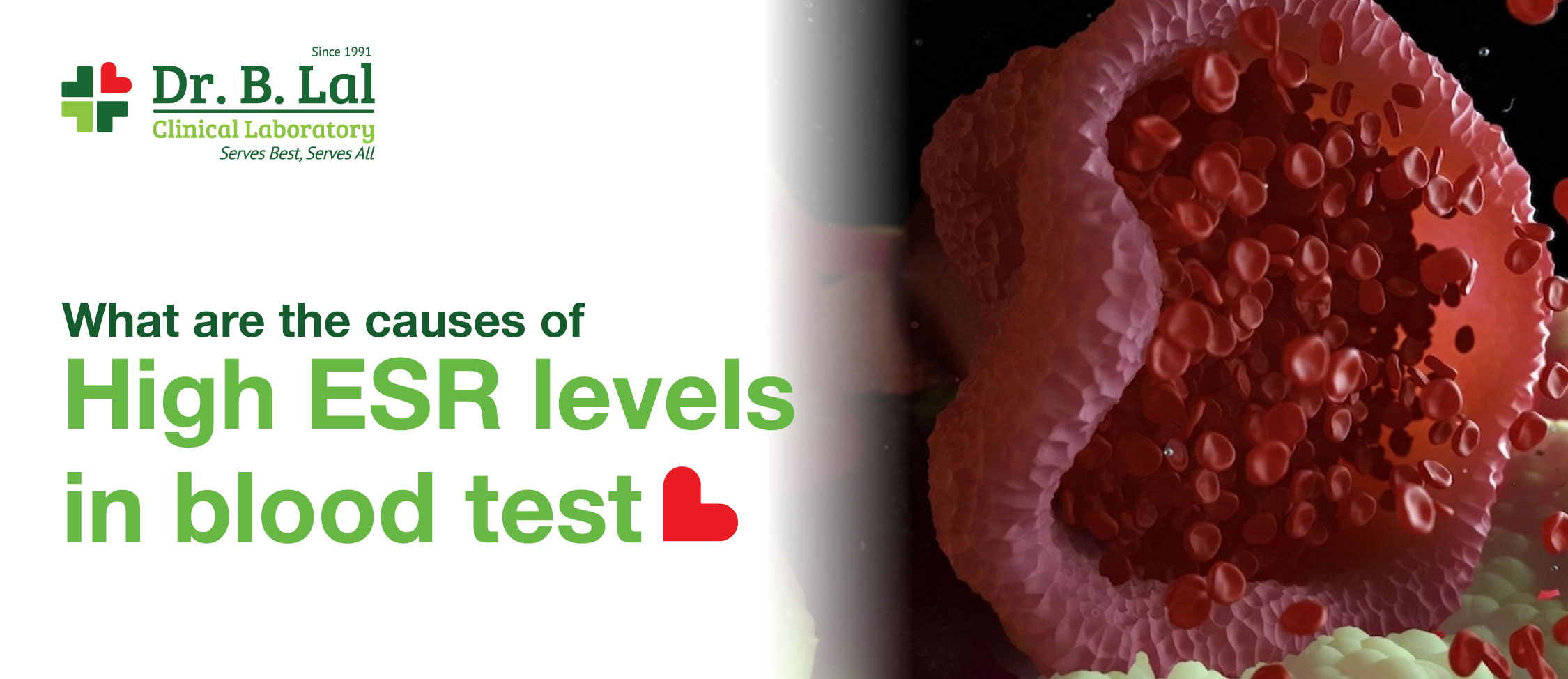
Erythrocytes refer to red blood cells. Sedimentation rate refers to the rate at which your red blood cells sink to the bottom of the test tube. Erythrocyte sedimentation rate (ESR) refers to a blood test that may indicate whether there is inflammation in your body. Inflammation refers to your immune system's response to injuries, infections and several other conditions, such as autoimmune diseases, cancer and blood disorders.
An ESR test indicates that your red blood cells are sinking faster than normal, meaning that there is a medical condition causing inflammation in your body. The rate at which the red blood cells in your sample sink to the bottom of the test tube indicates the level of inflammation in your body. High ESR rates indicate high levels of inflammation in your body. However, an ESR test cannot diagnose the condition causing the inflammation.
| Group | Normal ESR (mm/hr) |
| Men under 50 | 0–15 |
| Men over 50 | 0–20 |
| Women under 50 | 0–20 |
| Women over 50 | 0–30 |
| Children | 0–10 |
Labs vary a little, so go by the range printed on your own report.
What Does a High ESR Level Mean?
Think of ESR as a smoke alarm. It tells you there's inflammation somewhere, but not where, or why. That's why doctors read it alongside other tests and your symptoms, never by itself.
A slightly raised number often means very little. A high ESR above 100 mm/hr is different. That usually points to something significant and should always be looked into.
Common Causes of High ESR Levels
Infections
Almost any infection can push ESR up, from a UTI or pneumonia to infections in the bones or heart valves. In India, tuberculosis is one of the classic causes of a very high reading, and doctors often check ESR when TB is on their mind.
Autoimmune Conditions
In this case, the body fights itself, so the inflammation persists for months. The following are some diseases that cause high ESR levels, such as rheumatoid arthritis, lupus, ankylosing spondylitis and vasculitis. The conditions that cause extremely high ESR in individuals over 50 years old are polymyalgia rheumatica, where it causes shoulder and hip pain, and giant cell arteritis, which causes headaches and a painful scalp.
Kidney Disease
Chronic kidney disease and conditions like nephrotic syndrome change the balance of proteins in your blood, and that speeds up how fast red cells settle.
Anaemia
With fewer red cells in the tube, the ones left sink faster, so anaemia often nudges ESR up. Sickle cell disease is the odd one out: the cells' unusual shape stops them stacking, so ESR tends to be low.
Thyroid Problems
Both an underactive and an overactive thyroid can affect ESR. If you're also dealing with tiredness, weight changes or hair fall, your doctor may suggest checking for thyroid disorders.
Cancer
Cancers sometimes increase ESR values, sometimes even before other clinical symptoms show up. Multiple myeloma, which is a blood cancer, usually shows high ESR readings, often more than 100. Lymphoma and certain solid tumors can increase ESR levels as well. This occurrence is much rarer compared to the preceding causes but should still be considered.
Everyday Reasons for High ESR Levels
An elevated ESR is not always a sign of a disease. An increase in ESR happens with aging and is higher in women compared to men. It increases during pregnancy and can persist for several weeks after delivery. Being overweight, particularly in the abdominal region, leads to chronic low-level inflammation and can increase ESR levels. Heart disease or a heart attack can also elevate it.
Medicines play a part as well. Birth control pills can push ESR up, while steroids and painkillers like aspirin and ibuprofen can bring it down. Even how the sample is handled, say a tilted tube or a delay before testing, can change the number.
When Should You Worry About a High ESR?
A mildly raised ESR in an older adult or a pregnant woman often isn't worth chasing. Talk to your doctor soon, though, if:
- your ESR is above 50 mm/hr and there's no obvious reason
- it's above 100 mm/hr
- you also have fever, night sweats, weight loss, joint swelling or new headaches
- it stays high for several weeks, even with treatment
Tests Doctors Order After a High ESR Result
Your doctor will look for the cause rather than treat the numbers. Based on your symptoms, you will be asked to undergo CRP test, which responds quickly to any inflammation, as well as a complete blood count, tests of the kidneys, liver and thyroid glands, and a urine test. Chest x-ray is usual when TB and lungs diseases are suspected. When arthritis is the primary issue, rheumatoid factors and ANA are tested.
Can You Lower High ESR Levels Naturally?
No, not directly. The level of ESR decreases when the reason for the inflammation is cured. Healthy lifestyle does decrease the background level of inflammation: plenty of vegetables, fruits, whole grains, exercise, proper weight, non-smoking and adequate sleep. Just avoid using these methods instead of identifying the actual cause of the inflammation.
Final Thoughts
High ESR is only an indication, not a diagnosis. The cause may be very straightforward, such as an infection, aging, or being pregnant. Other times, more investigation is needed. Regardless, go see your doctor and find out what else needs to be done.
Medical References & Further Reading
https://medlineplus.gov/lab-tests/erythrocyte-sedimentation-rate-esr/
https://my.clevelandclinic.org/health/diagnostics/17747-erythrocyte-sedimentation-rate-esr