If you've spent any time around a dengue patient, you've probably heard someone mention papaya leaf juice within the first day or two. It's become something of a household remedy across India and Southeast Asia, passed along by relatives and neighbours with total confidence. What's less commonly discussed is what the actual research says - some of which genuinely backs this up, and some of which is more folk wisdom repeated so often it starts to sound like fact. Here's a more honest look at what's known, what's promising, and what diet can and can't realistically do when platelet counts drop.
Why Platelets Drop in Dengue
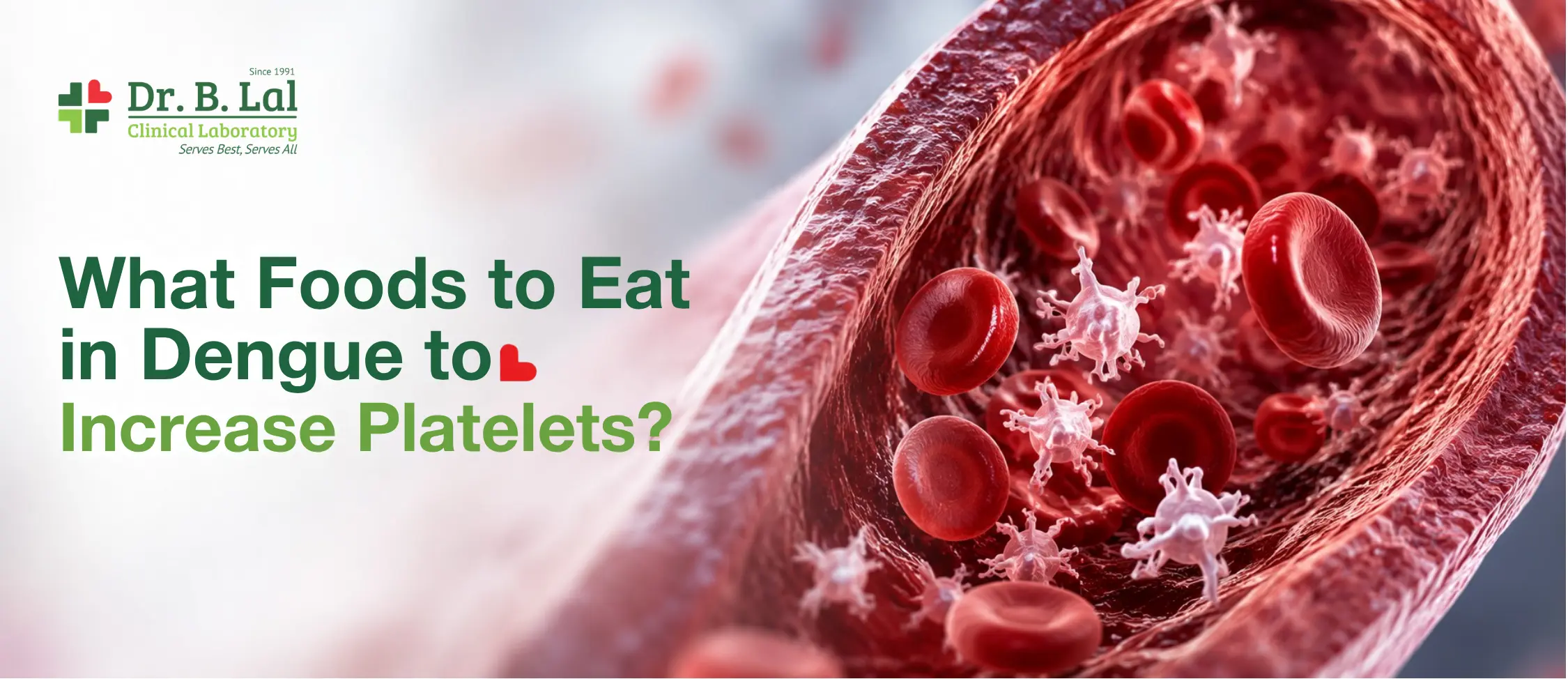
Thrombocytopenia - the medical term for low platelet count - is one of the defining features of dengue. The virus affects the bone marrow, where platelets are produced, and also triggers the immune system to clear platelets from circulation faster than usual. A normal platelet count sits somewhere between 150,000 and 450,000 per microliter of blood; in dengue, this can drop well below 100,000, and in more severe cases, considerably lower still. Low platelets mean the blood doesn't clot as effectively, which is why bruising, nosebleeds, and bleeding gums are common warning signs doctors watch closely during the illness.
It's worth being upfront about something before getting into the food list: no food or juice reverses thrombocytopenia the way a platelet transfusion does in a genuine emergency. What diet can do is support the body's own recovery process and, in one specific case, there's real clinical evidence behind that support.
Papaya Leaf Extract: The One With Actual Research Behind It
Papaya leaf extract is the standout here, and unlike most "superfood" claims, it's backed by real clinical studies, not just tradition. Research has found that compounds in papaya leaves appear to stimulate genes involved in platelet production and may help stabilise platelet membranes, reducing how quickly they're destroyed. A randomized controlled trial found that papaya leaf extract capsules significantly raised platelet counts in dengue patients, and case reports have documented patients with dangerously low platelet counts improving notably within one to two days of starting papaya leaf extract alongside standard supportive care.
That said, it's important to be accurate rather than enthusiastic about this: the evidence, while promising, is still described by researchers themselves as needing more rigorous, larger-scale trials, and results across different studies haven't been entirely consistent. Papaya leaf extract should be seen as a reasonable complementary addition alongside medical treatment and monitoring, not a replacement for either. It's also typically taken as a prepared extract or juice under some guidance, rather than eating raw papaya leaves directly, so if you're considering it, it's worth discussing the right form and amount with your doctor first - especially since papaya leaf isn't advisable during pregnancy.
Ripe papaya fruit itself doesn't have the same research backing as the leaf extract, but it's a soft, easy-to-digest, nutrient-rich food that's generally a sensible choice during recovery regardless.
Also Read: Platelet Distribution Width (PDW) Test
Foods That Support Recovery, Even Without Direct Platelet Evidence
Beyond papaya leaf, most other commonly recommended foods don't have dedicated clinical studies showing they raise platelet counts specifically - but they do support the broader nutritional and immune needs of a body fighting off dengue, which matters for overall recovery:
Vitamin C-rich foods - best fruits for dengue guava, oranges, kiwi, bell peppers, and amla - support immune function generally. Vitamin C doesn't directly raise platelet counts, but a well-functioning immune response is part of getting through the illness more smoothly.
Iron-rich foods - pomegranate, beetroot, spinach, and other leafy greens - help address the fatigue and mild anemia that often accompanies dengue, since iron supports overall blood cell production, even if the platelet-specific effect isn't well established.
Vitamin K-rich foods - spinach, kale, and other leafy greens - are relevant because vitamin K plays a genuine role in blood clotting, which is directly relevant when platelet-related bleeding risk is a concern.
Folate-rich foods - lentils, spinach, and asparagus — support healthy cell production more broadly, including blood cells.
Easy-to-digest proteins - eggs, dal, and thin soups - help the body repair itself without placing extra strain on a system that's already fighting an infection, particularly useful when appetite is low.
Hydration - deserves a mention here too, even though it's not a "food" - since dengue involves fluid loss and, in more serious cases, plasma leakage from blood vessels, staying well hydrated with water, ORS, or coconut water is one of the most consistently important parts of dengue care, arguably more so than any single food choice.
Read More and Book Now - Dengue Test
What Diet Can't Do
This is worth being direct about: diet supports recovery, but it doesn't replace medical monitoring. Platelet counts in dengue need to be tracked with regular blood tests, since a rapid or severe drop can signal progression toward more serious complications. If platelet levels fall to a dangerously low point, or if bleeding symptoms appear, the decision on whether a platelet transfusion is needed is a medical one, made by a doctor based on the full clinical picture - not something diet or supplements can substitute for.
Foods and Habits to Be Cautious With
- Avoid aspirin and ibuprofen for fever or pain during dengue, since both can increase bleeding risk - paracetamol is the safer option
- Go easy on very spicy, oily, or heavy foods, which can aggravate nausea and are harder on a system that's already under stress
- Don't rely on juice or supplements alone while skipping medical follow-up - regular blood monitoring remains essential throughout the illness
Conclusion
Papaya leaf extract is genuinely the most evidence-backed food-based intervention for dengue-related low platelets, though it should complement medical care rather than replace it. Beyond that, a diet rich in vitamin C, iron, vitamin K, and easy-to-digest protein - alongside consistent hydration - supports the body's broader recovery, even without platelet-specific proof for every individual food. The most important part of managing dengue, regardless of what's on the plate, remains close monitoring and prompt medical attention if warning signs appear.