Many people are surprised when an ultrasound report mentions "Fatty Liver Grade 2." Since the condition often develops silently, most people discover it during a routine health checkup or while being tested for another health issue.
The good news is that Fatty Liver Grade 2 can often be managed and even reversed with timely lifestyle changes. Ignoring it, however, may increase the risk of liver inflammation, scarring, and other serious health problems.
In this article, we'll explain what Fatty Liver Grade 2 means, its symptoms, causes, diagnosis, treatment options, and practical steps you can take to improve your liver health.
What "Grade 2" Actually Means
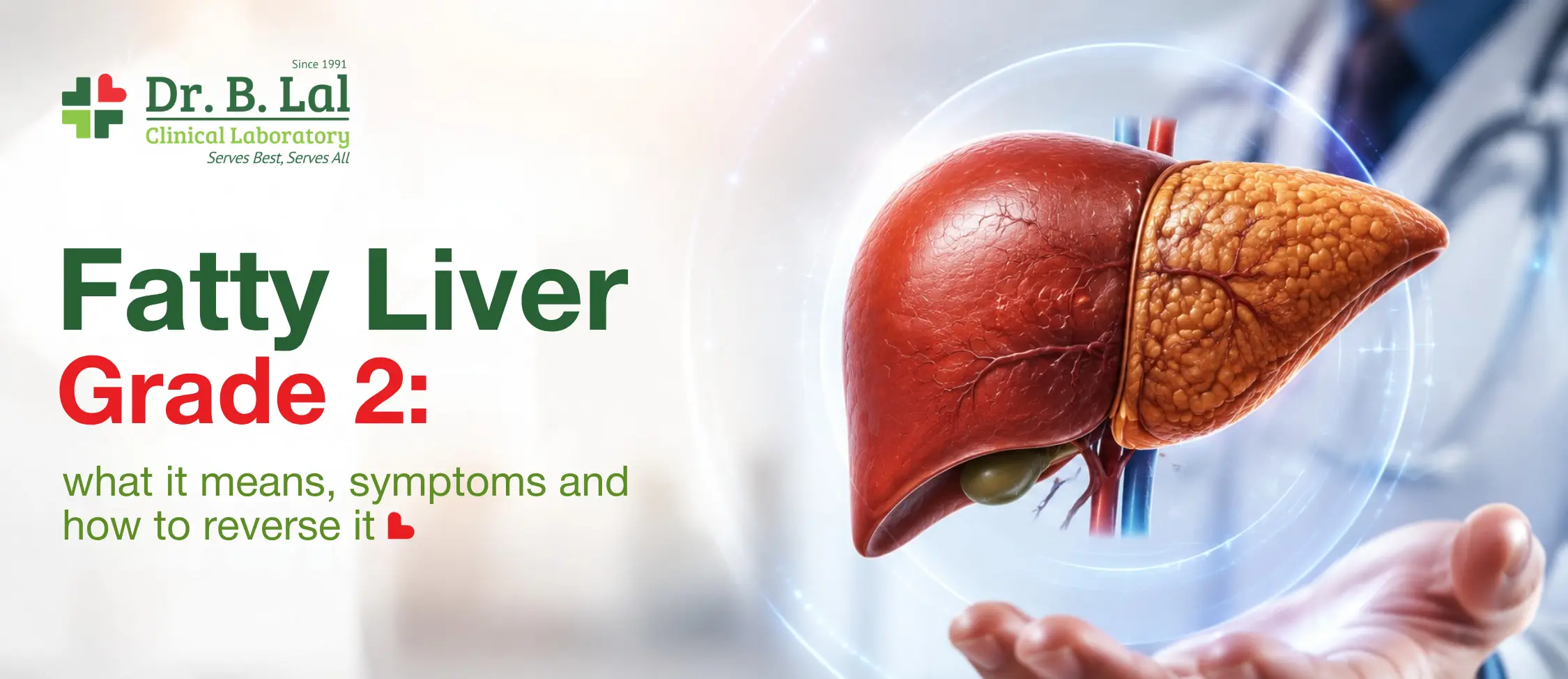
Fatty liver disease, medically known as hepatic steatosis, happens when fat builds up inside liver cells beyond what's normal. It's typically graded on an ultrasound using a simple scale based on how much the liver's appearance (echogenicity) changes compared to a healthy liver and nearby structures like the kidney:
- Grade 0: Normal liver, no fat buildup
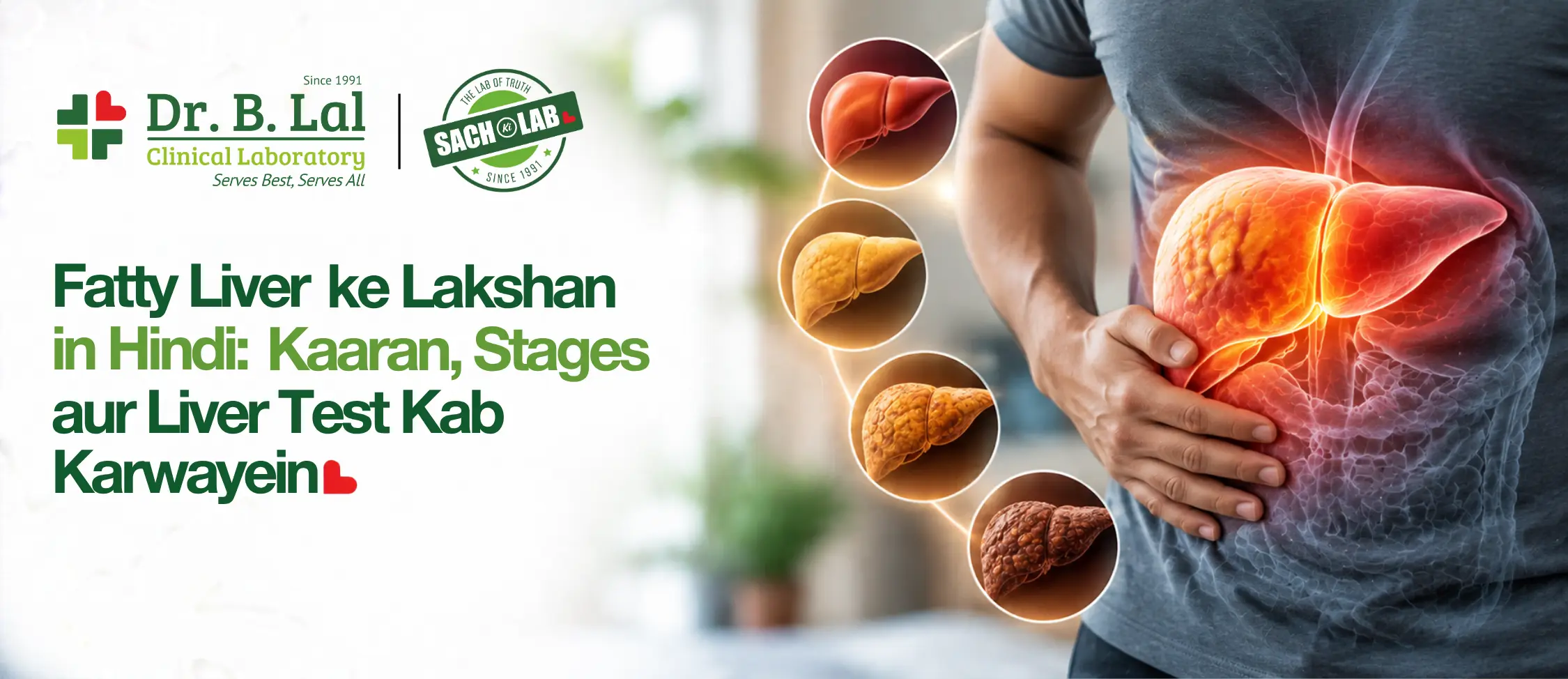
- Grade 1 (mild): Grade 1 fatty liver Fat affects roughly 5-33% of liver cells; the liver appears slightly brighter than normal on ultrasound, but structures behind it are still clearly visible
- Grade 2 (moderate): Fat affects roughly 33-66% of liver cells; the liver appears noticeably brighter, and visualization of structures like the portal vein walls and diaphragm starts to become less clear
- Grade 3 (severe): Fat affects more than 66% of liver cells; the liver appears markedly bright, with deeper structures barely visible at all
Therefore, Grade 2 falls right in the middle of the scale – more developed than Grade 1, but not yet classified as being at the extreme level. Grade 2 fatty liver disease may be accompanied by mild hepatomegaly (an enlarged liver), hence the reasons why reports sometimes refer to "hepatomegaly with Grade 2 fatty liver" in the same breath.
As is known, ultrasound is very subjective in terms of diagnosing fatty liver and is done visually. More accurate diagnostic tests are transient elastography, which is called Fibroscan, and MRI fat quantification; they are used when a more accurate test is needed, but ultrasound remains the preferred method because of its availability and affordability.
Why Fat Builds Up in the Liver
Most cases of Grade 2 fatty liver fall under non-alcoholic fatty liver disease (NAFLD), meaning it isn't caused by heavy alcohol use. The most common contributing factors include:
- Being overweight or obese, particularly with fat concentrated around the abdomen
- Insulin resistance or type 2 diabetes
- High triglycerides or cholesterol
- A sedentary lifestyle combined with a diet high in refined carbohydrates, sugar, and processed food
- Metabolic conditions like PCOS or hypothyroidism, which can worsen fat accumulation in the liver
Genetics also play a role - certain gene variants are linked to a higher likelihood of developing fatty liver even in people who aren't significantly overweight, and a family history of fatty liver disease can raise individual risk.
Symptoms of Grade 2 Fatty Liver
This is one of the trickier aspects of fatty liver disease: it's often silent, especially at earlier stages. Many people with Grade 2 fatty liver have no symptoms at all and only find out through a scan done for an unrelated reason. When symptoms do appear, they tend to be vague and easy to dismiss, including:
- Mild discomfort or a dull ache in the upper right side of the abdomen
- Persistent fatigue
- General weakness or a feeling of being unwell
- Occasional nausea or loss of appetite
Because these symptoms overlap with so many other common issues, fatty liver is frequently picked up incidentally rather than through symptom-driven diagnosis - which is exactly why routine screening, especially for people with diabetes, obesity, or high cholesterol, is valuable.
Is Grade 2 Fatty Liver Dangerous?
By itself, Grade 2 fatty liver isn't an emergency, and many people successfully reverse it. But it does deserve attention rather than being ignored, because if the underlying causes aren't addressed, it can progress further - toward Grade 3, and potentially toward non-alcoholic steatohepatitis (NASH), where the liver becomes inflamed, and eventually fibrosis or cirrhosis in a subset of cases. This progression usually takes years and depends heavily on ongoing risk factors like poor diet, unmanaged diabetes, and continued weight gain.
This is really the key message: Grade 2 fatty liver is a signal to make changes now, while the condition is still in a stage where it responds well to lifestyle intervention.
Never late before your liver in trouble - Liver Function Test
How to Reverse Grade 2 Fatty Liver
There's no specific medication approved purely to treat fatty liver itself - the primary approach is lifestyle-based, and it genuinely works for most people:
Weight loss: This is the single best way to treat the condition. Weight loss as low as 5-7% helps decrease liver fat, while more than 10% results in more significant improvements, including decreased inflammation for patients suffering from NASH. It is better to follow a slow process of weight loss rather than fast starvation that may increase liver stress at least temporarily.
Diet changes: A diet based on vegetables, whole grains, legumes, and fats (Mediterranean-type diet), but with decreased consumption of sugar, refined carbs, fried foods, and junk food is very helpful. Decrease in fructose consumption (soda, sugary drinks) was especially helpful in many studies.
Regular exercise: Regular aerobic exercise such as brisk walking, cycling, and swimming for about 150 minutes per week along with strength training sessions may help lower the amount of liver fat regardless of body weight.
Managing underlying conditions: It is very important to maintain normal levels of blood glucose, cholesterol, and triglyceride because these conditions not only lead to fatty liver but also exacerbate the disease.
Avoiding alcohol: Moderate alcohol consumption also contributes to increased fat deposition in the liver.
Regular monitoring: Lft and ultrasounds performed on a regular basis will reveal if the degree of the condition has changed, which will indicate the intensity of required lifestyle modifications.
When to See a Doctor
A Grade 2 fatty liver finding is worth discussing with a doctor even without symptoms, particularly to check liver enzymes, blood sugar, and lipid profile together. Medical attention becomes more urgent if there's persistent abdominal pain, unexplained weight loss, yellowing of the skin or eyes, or swelling in the legs or abdomen - these can indicate the condition has progressed and need prompt evaluation.
Conclusion
Grade 2 fatty liver means moderate fat buildup in the liver - more advanced than Grade 1 but still generally reversible with consistent lifestyle changes. Weight loss, a better diet, regular exercise, and management of underlying conditions like diabetes and cholesterol are the most effective tools available, and most people see real improvement with sustained effort. The main thing is not to ignore it simply because it feels symptomless - that's precisely the stage where change makes the biggest difference.