Open any corporate wellness vendor's website and they all start to sound the same after a while - "holistic," "personalised," "data-driven," "engagement-focused." The pitch decks blur together fast. What actually separates a wellness program that gets used and genuinely helps employees from one that quietly dies after month three usually comes down to a handful of unglamorous questions that most companies skip in the excitement of signing a contract.
Here's how to think through the decision properly.
Start With Your People, Not the Vendor List
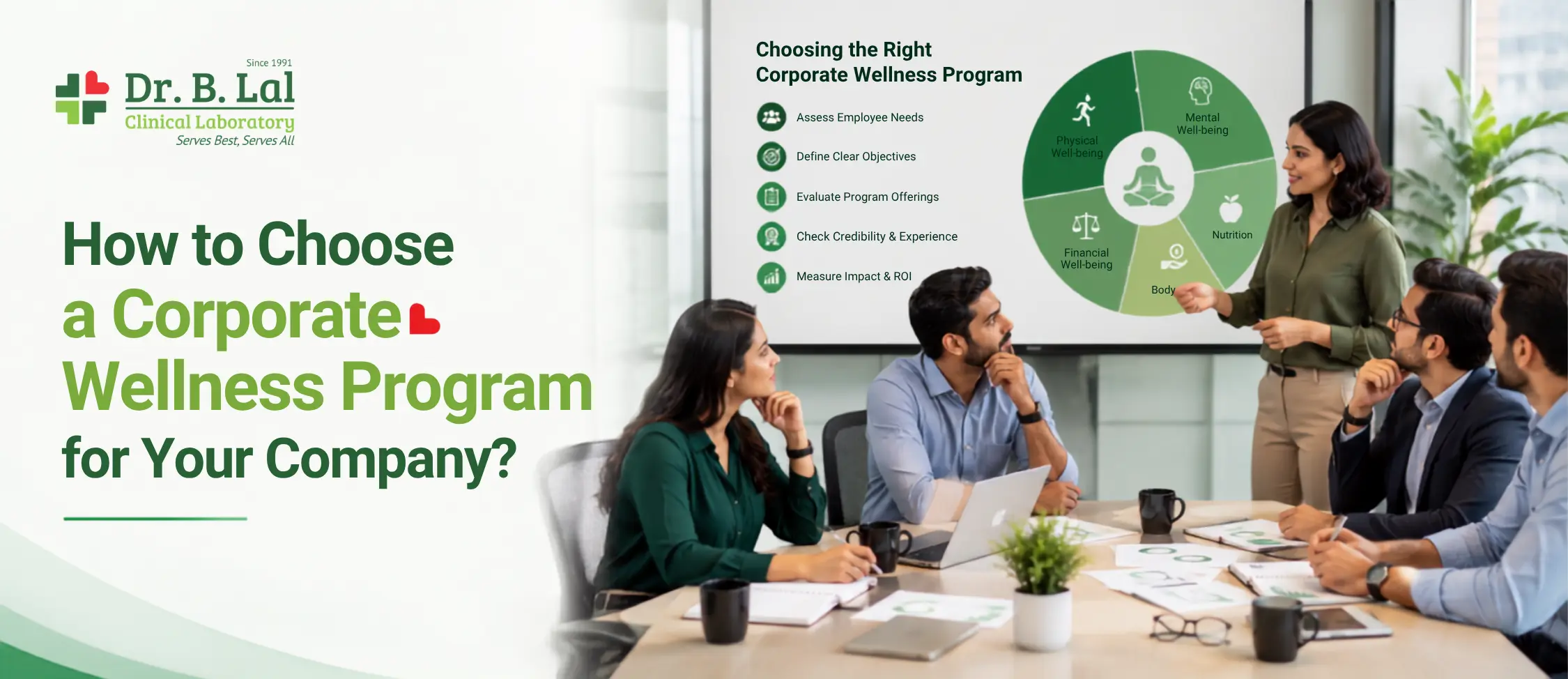
It's tempting to jump straight into comparing vendors, but the more useful starting point is figuring out what your workforce actually needs, before a single sales call happens. A younger, largely remote tech team has a very different set of pressures than a manufacturing floor with rotating shifts, or a sales team that's constantly travelling. One useful way to get this picture is simply asking employees directly - through a short survey or a few focus conversations - what's actually weighing on them: financial stress, caregiving responsibilities, burnout, physical health, or something else entirely.
This matters because, according to industry research on employee wellness needs, programs that only address physical fitness - step-count challenges, gym discounts — tend to miss the bigger, more common drivers of burnout today, which are frequently psychological, financial, or situational rather than purely physical. A program built around what leadership assumes employees want, rather than what they've actually said, tends to see the classic pattern: high sign-up in month one, near-empty usage by month four.
Decide: Build It Yourself, or Bring in a Vendor?
This is a genuine fork in the road, and it's worth being honest about your internal capacity before going further. Managing a wellness program in-house can cost less and gives you full control, but it demands real staff time, ongoing coordination, and some degree of health and wellbeing expertise on your team. Partnering with an external vendor brings structure, established technology, and specialised programming, but at a higher cost and less day-to-day flexibility. Neither option is inherently better - it depends on your budget, how complex a program you actually need, and whether you have someone internally who can own it properly.
What to Actually Look for in a Vendor
If you're going the vendor route, a few criteria matter more than the glossy brochure:
Fit with your specific workforce, not a generic population. A strong vendor will ask about your team's demographics, locations, shift patterns, and known health risk areas before proposing a solution - not hand you the same package they sell everyone else. If a vendor is offering a "take it as it is" program with no real customisation, that's worth noting as a limitation upfront.
Real reporting, not vague promises. Interestingly, research on vendor selection has found that employers often over-index on price and under-index on measurable outcomes, even though clear reporting is what actually tells you whether a program is working. Before signing, ask specifically how usage, engagement, and outcomes will be tracked and reported back to you - and how often. A vendor who can't answer this clearly is a vendor you'll struggle to hold accountable later.
Accessibility across your actual workforce, not just head office. If a chunk of your team works remotely, on rotating shifts, or across multiple locations, check whether the program's core offerings - counselling, health screenings, coaching - actually reach them, or whether the design quietly favours employees who happen to be at the main office during business hours.
Confidentiality and data handling. Wellness programs, particularly ones touching mental health or biometric screening, involve sensitive personal information. It's worth understanding exactly how a vendor handles data privacy, what's shared with the employer versus kept confidential to the employee, and whether that aligns with what you'd be comfortable defending if an employee asked directly.
Manager and leadership involvement, not just an employee-facing app. Programs that succeed tend to have visible buy-in from leadership - not just a company-wide email announcing the benefit, but leaders actually modelling its use, whether that's a manager openly taking a mental health day or a senior leader talking candidly about using the program themselves. Without that, usage often stays lower than expected, regardless of how well-designed the program itself is.
Pricing Matters, But It Shouldn't Be the Only Filter
It's worth being realistic here: cost is, and probably always will be, one of the biggest factors in this decision, and there's nothing wrong with that. But research on how employers actually select wellness vendors has found that pricing tends to dominate the conversation far more than factors like domain expertise or proven outcomes - which is a bit of a trap, because the cheapest program that nobody uses ends up costing more per engaged employee than a slightly pricier one that people actually turn to.
A more useful lens than "what does this cost" is "what does this cost per employee who genuinely benefits from it." That reframes the comparison in a way a simple price-per-seat quote doesn't capture.
Start Small Before Going Company-Wide
Rather than committing to a full, multi-year rollout immediately, a shorter pilot - three to six months, with a defined group and clear success measures agreed in advance — gives you a real read on whether a program fits your culture before you're locked into a larger commitment. It also gives you leverage: a vendor confident in their offering should be comfortable being evaluated this way, rather than insisting on an immediate full rollout.
Conclusion
Choosing a corporate wellness program isn't really about finding the vendor with the flashiest platform or the longest feature list - it's about matching what your specific workforce actually needs with a partner who can prove, through clear reporting and genuine customisation, that the program is being used and making a real difference. Starting with employee input, being honest about internal capacity, pressure-testing vendors on measurement and accessibility rather than just price, and piloting before committing fully - these unglamorous steps are what separate a wellness program that sticks from one that quietly fades into an unused line item on the benefits page.