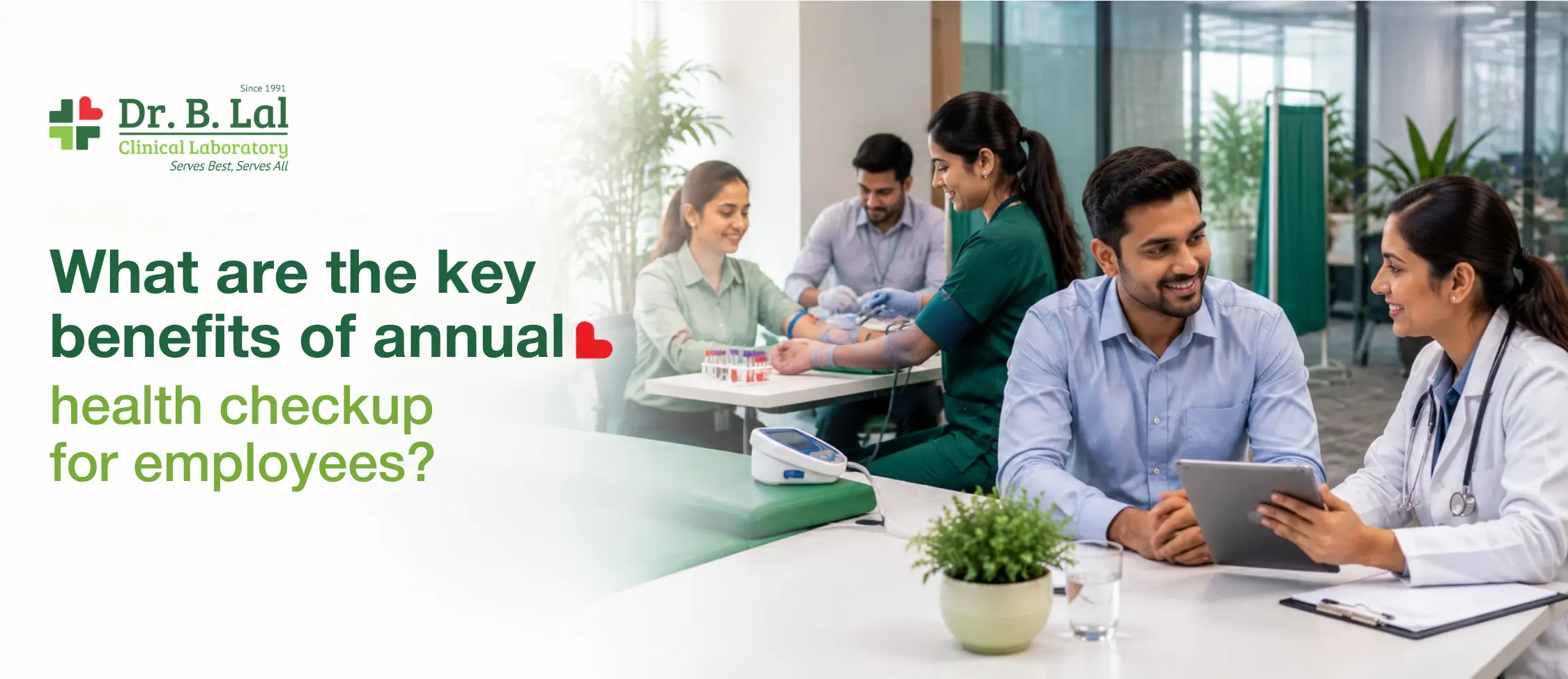
Annual health checkups tend to get filed under "HR formality" in a lot of workplaces - something scheduled once a year, quietly completed, and rarely discussed again until the next cycle. That framing undersells what's actually happening. A yearly checkup is one of the few workplace initiatives that genuinely benefits both sides of the employment relationship at the same time - the employee gets an early read on their own health, and the organisation gets a healthier, more consistent workforce in return. Here's what actually makes it worth taking seriously.
Catching Problems Before They Become Problems
The single biggest value of an annual checkup is early detection. Conditions like high blood pressure, high blood sugar, thyroid disorders, and cholesterol imbalances often develop quietly, without symptoms, for years before they cause a visible health crisis. A routine blood panel and basic screening can flag these long before they turn into something that needs hospitalisation, extended leave, or long-term medication.
This matters more than people tend to assume, especially for a desk-based workforce. Long hours, high stress, irregular meals, and limited physical activity are a fairly universal description of corporate life today, and that combination is exactly what accelerates lifestyle conditions like diabetes and hypertension. An annual checkup acts as a yearly checkpoint against that drift - not a guarantee against illness, but a genuine chance to catch it early enough that the fix is usually simpler: a change in diet, more movement, or a low-dose medication, rather than something more serious down the line.
Fewer Sick Days, More Consistent Output
There's a fairly direct link between employee health and how often people are actually at their desks. Multiple analyses of workplace wellness data have found that absenteeism costs tend to fall meaningfully once companies invest in preventive health initiatives, with some reviews putting the reduction in sick-leave rates in the range of roughly 25 to 30 percent after such programs are introduced.
It's not just about being present, either. A less-discussed but equally important factor is presenteeism - employees who show up to work but perform well below their normal capacity because of an unaddressed health issue, whether that's poor sleep, unmanaged stress, or an undiagnosed condition quietly draining their energy. Regular checkups help surface these issues before they chip away at performance for months without anyone quite naming why productivity has dipped.
A Real Return on Investment, Not Just a Feel-Good Gesture
For organisations weighing whether checkups are worth the cost, the numbers are fairly compelling. Research reviewed by workplace wellness bodies has found that every dollar invested in employee wellness programs tends to generate several dollars back in combined medical and absenteeism cost savings. Separate data has also linked effective health and wellness programs to measurably better financial performance, alongside higher revenue per employee and improved shareholder returns for companies with strong workforce health outcomes.
Beyond the direct cost angle, there's evidence tied to productivity itself. One longitudinal study tracking workers at an industrial company found that individuals who improved their health through participation in a workplace wellness program saw measurable productivity gains, in the range of about 10 percent, largely attributed to improvements in diet and physical activity. None of this is a guarantee for every organisation, but it does put real numbers behind what otherwise sounds like a soft, hard-to-quantify benefit.
What It Does for Retention and Morale
Health benefits shape how people feel about where they work, arguably more than most HR teams give them credit for. When employees see a company actively investing in their physical wellbeing - not just offering it as a checkbox benefit, but genuinely encouraging its use - it tends to build a stronger sense of being valued, which in turn shows up in engagement and loyalty.
This connects to a broader retention challenge many companies are already grappling with. A meaningful share of voluntary attrition each year has been linked to employees feeling that their employer doesn't adequately support their wellbeing, and healthcare-related benefits specifically influence whether people choose to stay with or leave a company. In a job market where switching employers has become fairly routine, a well-run annual checkup program is a low-cost, high-visibility way to signal that the organisation takes people's health seriously, not just their output.
Supporting a Culture of Prevention, Not Just Treatment
There's also a slower, cultural shift that happens over time when checkups become a normal, expected part of working life rather than a rare event. Employees who go through annual screening tend to become more conscious of their own health metrics - blood pressure, sugar levels, weight trends - simply because they're being tracked and discussed regularly. That awareness often nudges people toward better daily habits on their own, independent of anything the company actively does beyond making the checkup available.
Over several years, this shift from reactive healthcare (treating problems once they appear) to preventive healthcare (catching them early or avoiding them altogether) tends to compound. A workforce that's used to monitoring its health annually is, on average, going to catch problems sooner and manage chronic conditions better than one that only sees a doctor when something's already gone wrong.
Book now our special health package for employees - Full Body Checkup
What a Good Annual Checkup Typically Covers
While the exact panel varies by age, role, and industry-specific risk factors, a reasonably comprehensive employee health checkup usually includes a complete blood count, blood sugar and lipid profile, liver and kidney function tests, thyroid screening, blood pressure and BMI assessment, and an ECG for employees above a certain age or risk profile. Roles involving physical labour, exposure to specific occupational hazards, or extended screen time may warrant additional targeted tests.
Conclusion
An annual health checkup isn't just a compliance exercise or a line item in the benefits package - it's one of the more measurable ways an organisation can support its people while also protecting its own operational consistency. Fewer unexpected sick days, earlier detection of conditions that are far easier to manage when caught early, and a workforce that feels genuinely looked after all trace back to the same simple habit: making sure people get checked regularly, not just when something already feels wrong.