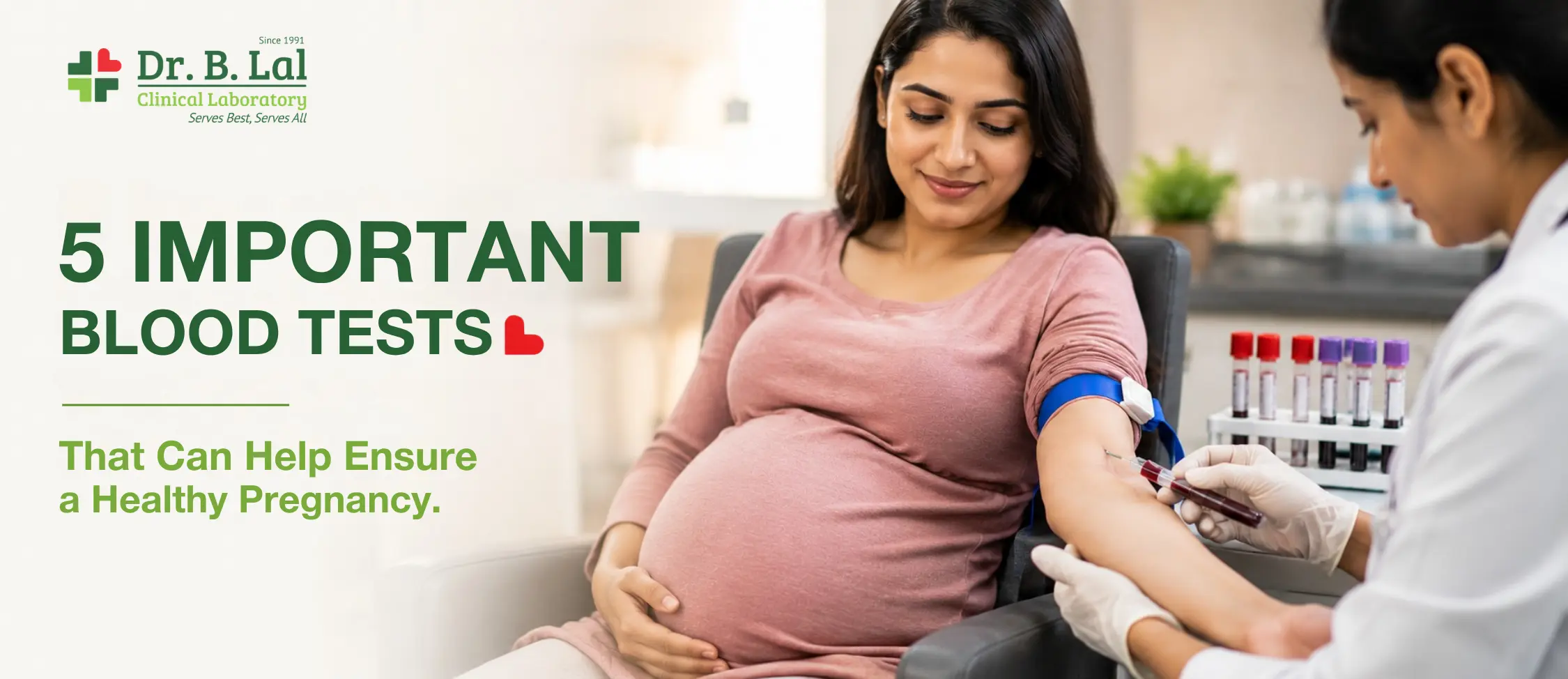
There's a lot to keep track of once you find out you're pregnant, and the sheer number of blood tests that get ordered along the way can feel a bit much — especially if nobody's really explained why each one matters. The truth is, none of them are there just to fill out a file. Each one is checking for something specific that, left unnoticed, could affect either your health or your baby's. And most of them are far easier to manage when caught early rather than discovered later, when options narrow.
Here are five of the most important ones, and what they're actually looking for.
1. Complete Blood Count (CBC)
This is usually one of the very first tests done once pregnancy is confirmed, and it's repeated again later, typically in the third trimester. A CBC looks at your red blood cells, white blood cells, hemoglobin, and platelets, and its main job in pregnancy is catching anemia early.
Anemia is genuinely common during pregnancy — your blood volume increases substantially to support the growing baby, and iron demands go up right along with it. Left unchecked, anemia can leave you more fatigued than pregnancy already makes you, and in more severe cases, it's linked to complications like preterm birth and low birth weight. The CBC also flags unusually low platelet counts or signs of infection, both of which are worth knowing about well before delivery.
If your hemoglobin comes back low, the fix is usually straightforward — iron and folic acid supplementation, along with dietary changes — but it needs to be caught first.
2. Blood Group and Rh Factor
This one sounds like paperwork, but it's actually one of the more consequential tests on this list. Knowing your blood type matters in case a transfusion is ever needed during delivery, but the Rh factor part is the piece that really shapes your care plan.
If you're Rh-negative and the baby's father is Rh-positive, there's a chance the baby will be Rh-positive too. If the baby's blood mixes with yours during pregnancy or delivery — which happens more often than people expect — your immune system can start producing antibodies against Rh-positive blood cells. This usually isn't a problem for a first pregnancy, but it can seriously affect a future one, potentially causing severe anemia or other complications in a later baby.
The good news is that this is entirely preventable. If you're Rh-negative, an anti-D immunoglobulin injection given around 28 weeks, and again after delivery, stops your body from forming those antibodies in the first place. None of this works, though, if the Rh status isn't known early — which is exactly why this test happens at the very first prenatal visit.
3. Blood Glucose Screening
Somewhere between 24 and 28 weeks, most pregnant women are asked to drink a sugary solution and have their blood sugar checked an hour later — the glucose challenge test. This screens for gestational diabetes, a form of diabetes that develops during pregnancy and usually resolves after delivery, but that needs active management while it's present.
Uncontrolled gestational diabetes raises the risk of having a larger-than-average baby, complications during delivery, and a higher chance of the baby developing low blood sugar right after birth. It also modestly raises the mother's own future risk of type 2 diabetes. If the initial screening result is high, a longer follow-up test (the oral glucose tolerance test) confirms the diagnosis. From there, management is often achievable through diet and monitoring alone, with medication added only if needed — but again, only if it's caught.
Women with risk factors like obesity, a family history of diabetes, or a prior pregnancy with gestational diabetes are sometimes screened earlier than 24 weeks, since catching it sooner allows more time to manage it well.
4. Infectious Disease Screening (HIV, Hepatitis B, and Syphilis)
Early in pregnancy, blood is also tested for a small panel of infections — HIV, hepatitis B, and syphilis being the standard three, with some clinics adding others depending on individual risk factors and regional guidelines.
The reason this matters so much is that all three of these infections can be passed from mother to baby, but in each case, that transmission is largely preventable when the infection is known about in advance. A mother who tests positive for HIV can significantly reduce transmission risk to her baby through antiviral treatment during pregnancy and delivery. Hepatitis B transmission can be prevented with a vaccine and immunoglobulin given to the baby shortly after birth. Syphilis, if caught early, can simply be treated with antibiotics before it affects the pregnancy at all.
None of this is possible if the infection isn't identified first — which is exactly the value this test brings, quietly and early, before it becomes a bigger problem.
5. Thyroid Function Test (TSH)
Thyroid hormones play a bigger role in pregnancy than most people realise. In the earliest weeks, the baby depends entirely on the mother's thyroid hormone supply, since their own thyroid gland hasn't started functioning yet. An underactive thyroid (hypothyroidism) during pregnancy has been linked to complications including miscarriage, preterm birth, and developmental effects on the baby if left untreated, while an overactive thyroid carries its own set of risks.
Ensure Health pregnancy with this health package - Female Infertility Package
A simple TSH blood test picks up thyroid dysfunction early, and treatment — typically thyroid hormone replacement for an underactive thyroid — is straightforward and very effective once started. Women with a personal or family history of thyroid disease are usually monitored more closely throughout pregnancy, since thyroid hormone needs shift with each trimester.
Why Getting These Done on Time Matters
Every one of these five tests shares the same underlying logic: catch it early, and there's almost always a simple, effective way to manage it. Wait until symptoms show up, or until later in pregnancy, and the same issue can become considerably harder to handle — sometimes with consequences that can't be undone.
Your obstetrician will typically time these tests across your first, second, and third trimester visits, along with a few additional ones depending on your individual health history. If you're ever unsure why a particular test has been ordered, it's always worth asking — understanding the reason behind it tends to make the whole process feel a lot less like a string of appointments and a lot more like what it actually is: a structured way of keeping both you and your baby healthy.