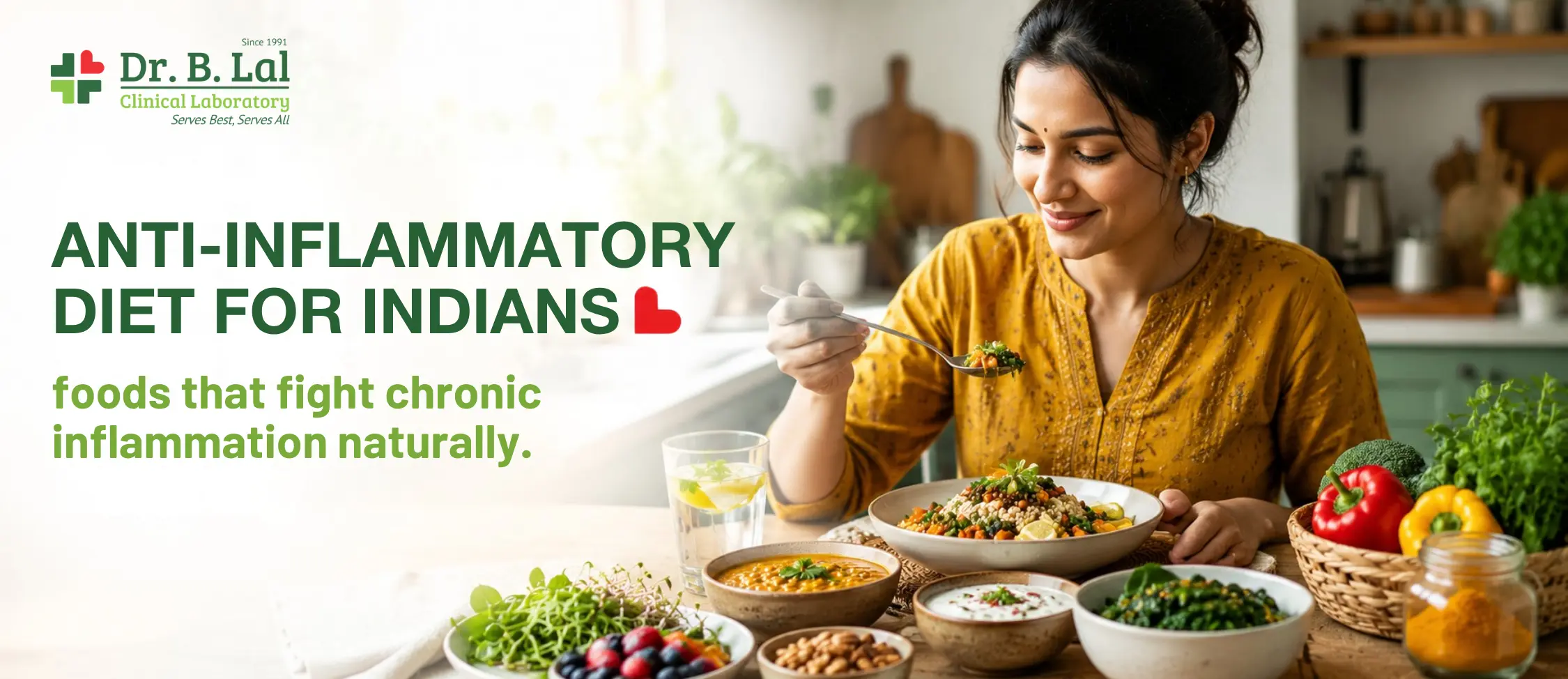
Inflammation gets a bad reputation, but it isn't inherently a bad thing. It's how your body fights infections and heals injuries - that redness and swelling around a cut, or the soreness after a hard workout, is inflammation doing exactly what it's supposed to do. The problem starts when this response doesn't switch off. Chronic, low-grade inflammation that simmers in the background for months or years has been linked to a long list of conditions — heart disease, type 2 diabetes, joint pain, and even some cancers.
The good news, if you're cooking Indian food at home, is that a fair number of anti-inflammatory ingredients are probably already sitting in your kitchen. You don't need an imported superfood list to eat this way - you just need to know what to lean into and what to dial back.
What Actually Drives Chronic Inflammation
The list of foods that cause this type of inflammation starts with knowing the things that generally trigger such an inflammatory response: excessive body fat (especially abdominal fat), a diet high in refined sugars and carbohydrates, eating deep fried foods and highly processed foods, trans fats, stress, lack of sleep, and leading a sedentary lifestyle. It is just one of many factors but it is one that you can control.
Indian Spices That Do More Than Add Flavour
This is genuinely the strongest part of Indian cooking when it comes to fighting inflammation - the spice box.
Turmeric is probably the single most studied anti-inflammatory ingredient in Indian cuisine. Its active compound, curcumin, has been shown in multiple clinical studies to lower inflammatory markers and even provide pain relief comparable to some over-the-counter medications in conditions like osteoarthritis. The catch is that curcumin isn't absorbed well on its own pairing turmeric with black pepper, something Indian cooking already does instinctively in many recipes, significantly boosts how much of it your body actually takes up.
Ginger shows up in everything from morning chai to curries, and for good reason - its active compounds have been studied for reducing inflammatory markers and easing joint discomfort.
Garlic brings sulfur compounds that help lower inflammatory markers while also supporting heart health, something particularly relevant given how often cardiovascular risk and chronic inflammation travel together.
Cinnamon, often used in garam masala and chai, has also shown favourable effects on inflammatory markers in research, alongside benefits for blood sugar control.
None of this means a spoon of turmeric undoes a diet full of fried snacks. Spices work best as part of an overall pattern, not as a fix layered on top of an otherwise inflammatory way of eating.
Building an Anti-Inflammatory Indian Plate
Dals and legumes - moong, masoor, chana, rajma - are rich in fibre and plant protein, and fibre plays a genuinely important role in reducing inflammation, partly by supporting a healthier gut microbiome. A simple dal-chawal or dal-roti meal, done regularly, is a solid anti-inflammatory habit hiding in plain sight.
Leafy greens - like methi, palak, and sarson are packed with antioxidants and polyphenols that help counter oxidative stress, one of the drivers of chronic inflammation.
Fatty fish, if it's part of your diet — mackerel (bangda), sardines (tarli), and salmon are good sources of omega-3 fatty acids, which have well-documented anti-inflammatory effects. For vegetarians, flaxseeds and walnuts offer a plant-based omega-3 alternative worth including regularly.
Nuts and seeds - almonds, walnuts, pumpkin seeds, flaxseeds - bring healthy fats and antioxidants, and are an easy addition to your daily diet as a snack or topping.
Fruits, especially berries, pomegranate, and citrus fruits, are rich in polyphenols and vitamin C, both linked to lower inflammatory markers.
Fermented foods like curd, buttermilk (chaas), and idli/dosa batter support gut health, and a healthier gut is increasingly recognised as connected to lower systemic inflammation.
Healthy fats, particularly mustard oil and cold-pressed groundnut or sesame oil used in moderation, are reasonable choices, along with a modest amount of ghee, which in small quantities isn't the villain it's sometimes made out to be.
What to Cut Back On
An anti-inflammatory diet is as much about what you reduce as what you add:
- Refined sugar and sweets - mithai, sugary beverages, and packaged snacks spike blood sugar repeatedly through the day, which over time contributes to inflammation
- Deep-fried foods - samosas, pakoras, and similar items are fine occasionally, but as a daily habit, repeated frying and the oils often reused for it aren't doing your body any favours
- Refined carbohydrates - maida-heavy foods and white bread offer little fibre and cause rapid blood sugar spikes
- Ultra-processed packaged foods - chips, instant noodles, and similar items tend to be high in refined oils, sodium, and additives
- Excess red and processed meat, if consumed frequently, has also been associated with higher inflammatory markers in research
None of this means eliminating these entirely or feeling guilty about the occasional plate of pakoras with chai. It's about what makes up the bulk of your regular diet, not the occasional exception.
Book now our special package to evaluate overall health - Premium Suraksha Health Package
A Simple Way to Think About It
One doesn’t need a strict dietary plan to be anti-inflammatory. The following is an easily adaptable strategy that works for Indians: Base your meals on dal, sabzi and whole grains like brown rice or whole wheat roti; cook using a lot of turmeric, ginger and garlic; incorporate a portion of nuts/seeds everyday into your diet; choose fruits instead of packed treats during a craving; and eat fried/processed food as an occasional treat.
Conclusion
There is no need to give up Indian food in order to follow an anti-inflammatory diet. If anything, Indian cuisine, which is based on lentils, vegetables, and lots of spices, is quite anti-inflammatory from its very roots. The important change for everyone is not the inclusion of exotic elements but rather the increased consumption of healthy food items - legumes, vegetables, whole grains, and spices - and the reduced consumption of unhealthy food items - processed foods, fried foods, and sweet foods.