Ask most people what a "heart-healthy diet" looks like, and they'll picture something - grilled chicken, plain salads, maybe an imported superfood or two. It's a bit of a shame, because some of the best foods for your heart are probably already sitting in your kitchen. Dal, mustard oil, millets, seasonal vegetables Indian home cooking, at its core, was never really the problem. It's what's crept into everyday eating over the last couple of decades the fried snacks, the sugary tea, the processed packets that's done the damage.
India carries a disproportionately heavy burden of heart disease. Cardiovascular disease is now the leading cause of death in the country, and it shows up earlier here than in many Western populations. Genetics play some role, but food habits play a much bigger one - and the good news is that the fix doesn't require abandoning Indian cuisine. It mostly means going back to how a lot of it was originally eaten.
Start With What's Already on Your Plate
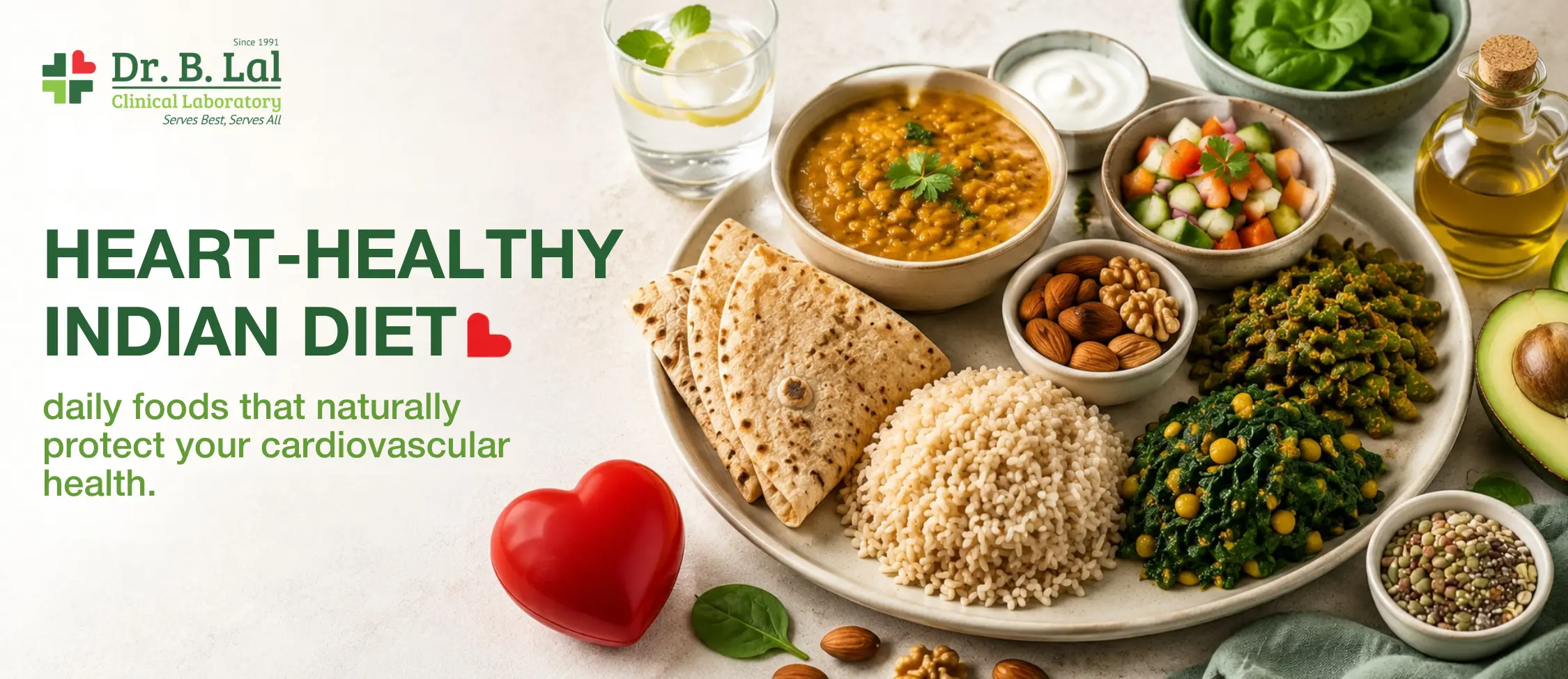
Whole grains, not refined ones. Eating polished white rice and eating foods made from high amounts of maida causes sugar levels to shoot up rapidly, and doing so for many years is not good for your arteries. Using millet, such as bajra, jowar, and ragi, along with brown rice and whole wheat, will provide you with fibre which can help reduce the rate of sugar absorption and help keep cholesterol levels in check. If avoiding white rice sounds too drastic, then reducing the quantity along with adding dal and vegetables will help as well.
Dal – everyday. This one is perhaps so obvious that it needn't be mentioned at all, but then it should be said anyway. Lentils and pulses – moong, masoor, chana, rajma – are probably some of the most heart-friendly things you could ever choose to eat. High in plant proteins and fiber, they also come loaded with folate and potassium, and both these are good for maintaining blood pressure and lowering homocysteine levels – an amino acid that poses a risk to the heart. A simple tadka of dal with minimal oil works better for your arteries than many expensive "health foods".
Vegetables, particularly green leafy vegetables. Spinach, methi and other leafy vegetables provide potassium, fiber, and antioxidants to maintain healthy blood pressure levels. The key here is the cooking technique since stir-frying and steaming keeps more nutrients intact compared to deep frying or drenching vegetables in cream-based curries.
The Fat Question: It's About Type, Not Elimination
A lot of confusion around Indian food and heart health comes down to fat, so it's worth untangling.
Cooking oil matters more than people think. Mustard oil, used traditionally across much of North India, is naturally rich in monounsaturated fats and has a favourable omega-3 to omega-6 ratio, which is part of why it's often recommended by nutrition researchers for everyday cooking. Groundnut oil and rice bran oil are reasonable everyday alternatives too. Olive oil works well for lower-heat cooking. What's worth cutting back on is repeatedly reheated oil and heavily refined vegetable oils used in deep frying, since both are linked to inflammation and higher LDL cholesterol.
Ghee and butter don't need to be eliminated entirely - that's often more extreme than necessary. Used in small, controlled amounts (a teaspoon here and there), ghee brings fat-soluble vitamins along with it. The issue is quantity and frequency, not the ingredient itself. If ghee is going into your dal, your rice, and your roti every single meal, that's where it stops being a flavour addition and starts becoming a real contributor to your saturated fat intake.
Nuts and seeds deserve a daily spot. A small handful of almonds, walnuts, or flaxseeds gives you healthy fats, fibre, and magnesium, all of which support healthy arteries. Walnuts and flaxseed in particular carry plant-based omega-3s.
Fish, if you eat non-veg. Fatty fish like mackerel (bangda), sardines, and hilsa are rich in omega-3 fatty acids that help reduce inflammation. If chicken is your protein of choice, skinless and grilled or steamed beats fried, simply because of how much oil fried preparations absorb.
What to Actually Cut Back On
Rather than framing this as a long list of heart risk foods, it helps to think of it as a shorter list of things to have less often, not never:
- Deep-fried snacks - samosas, pakoras, bhujia - are high in trans fats from repeated frying, which raise LDL cholesterol more than most other dietary factors.
- Salt-heavy foods - pickles, papad, packaged snacks - contribute to high blood pressure, one of the biggest drivers of heart disease. Herbs and spices are a good substitute for flavour without the sodium load.
- Sweets and sugary drinks - jalebi, gulab jamun, soft drinks - drive weight gain and insulin resistance over time, both of which strain the heart indirectly.
- Processed and packaged foods - generally carry hidden salt and preservatives that are easy to underestimate.
Always take first step to keep your heart health - Cardiac Suraksha Health Package
A Few Habits That Matter as Much as the Food Itself
- Cook with less oil overall, regardless of which oil you use - portion control matters even with the "good" fats.
- Choose steaming, grilling, or pressure cooking over deep frying wherever it's practical.
- Keep meals balanced, with a vegetable, a protein source (dal, fish, or lean meat), and a whole grain rather than a carb-heavy plate.
- Stay consistent rather than strict. A heart-healthy diet that you can actually sustain for years does more good than a rigid one you abandon after a month.
Conclusion
A heart-healthy Indian diet doesn't mean giving up the food you grew up eating - it means leaning back into how a lot of it was traditionally prepared: modest oil, whole grains, plenty of dal and vegetables, and sweets as an occasional treat rather than a daily habit. Combined with regular movement and good sleep, these everyday food choices add up to real, measurable protection for your heart over time.