High cholesterol is one of the most common health concerns today, affecting millions of people worldwide. While cholesterol is essential for many bodily functions, having too much LDL cholesterol, often called "bad cholesterol," can increase your risk of heart disease, stroke, and other cardiovascular problems.
The good news is you can lower LDL cholesterol naturally through healthy lifestyle changes. In this article, we'll explain what LDL cholesterol is, why it matters, and the most effective ways to reduce it.
What Is LDL Cholesterol?
LDL cholesterol carries cholesterol from the liver to different body organs through the bloodstream. The buildup of excess LDL causes the deposition of cholesterol in the walls of arteries and leads to the formation of plaque.
This process, known as atherosclerosis, can significantly increase the risk of:
- Heart attack
- Stroke
- Peripheral artery disease
- High BP
Because of these risks, maintaining a healthy LDL level is important for long-term heart health.
What Causes High LDL Cholesterol?
Several factors can contribute to elevated LDL cholesterol levels, including:
- Diet high in saturated and trans fat
- No physical activity
- Excess body weight
- Smoking
- Excessive alcohol drinking
- Diabetes
- Hypothyroidism
- Family history of high cholesterol
- Aging
Understanding the cause can help determine the most effective approach for lowering LDL cholesterol.
Effective Lifestyle Tips to Lower LDL Cholesterol
1. Eat More Heart-Healthy Foods
Your diet has a major role in cholesterol management.
Focus on foods that help reduce LDL cholesterol naturally:
Increase Soluble Fiber Intake
Soluble fiber binds to cholesterol in the digestive system and helps remove it from the body.
Good sources include:
- Oats
- Barley
- Beans
- Lentil
- Apple
- Pear
- Citrus fruit
- Psyllium husk
- Choose Healthy Fats
Replace unhealthy saturated fats with healthier options such as:
- Olive oil
- Avocados
- Nuts
- Seeds
- Fatty fish
These foods can help improve cholesterol balance and support heart health.
2. Reduce Saturated and Trans Fats
Saturated fats can increase LDL cholesterol level.
Limit foods below:
- Fried food
- Processed snack
- Butter
- Full-fat dairy product
- Red meat
- Bakery item containing hydrogenated oil
Reading food labels carefully can help you avoid hidden trans fats.
3. Stay Physically Active
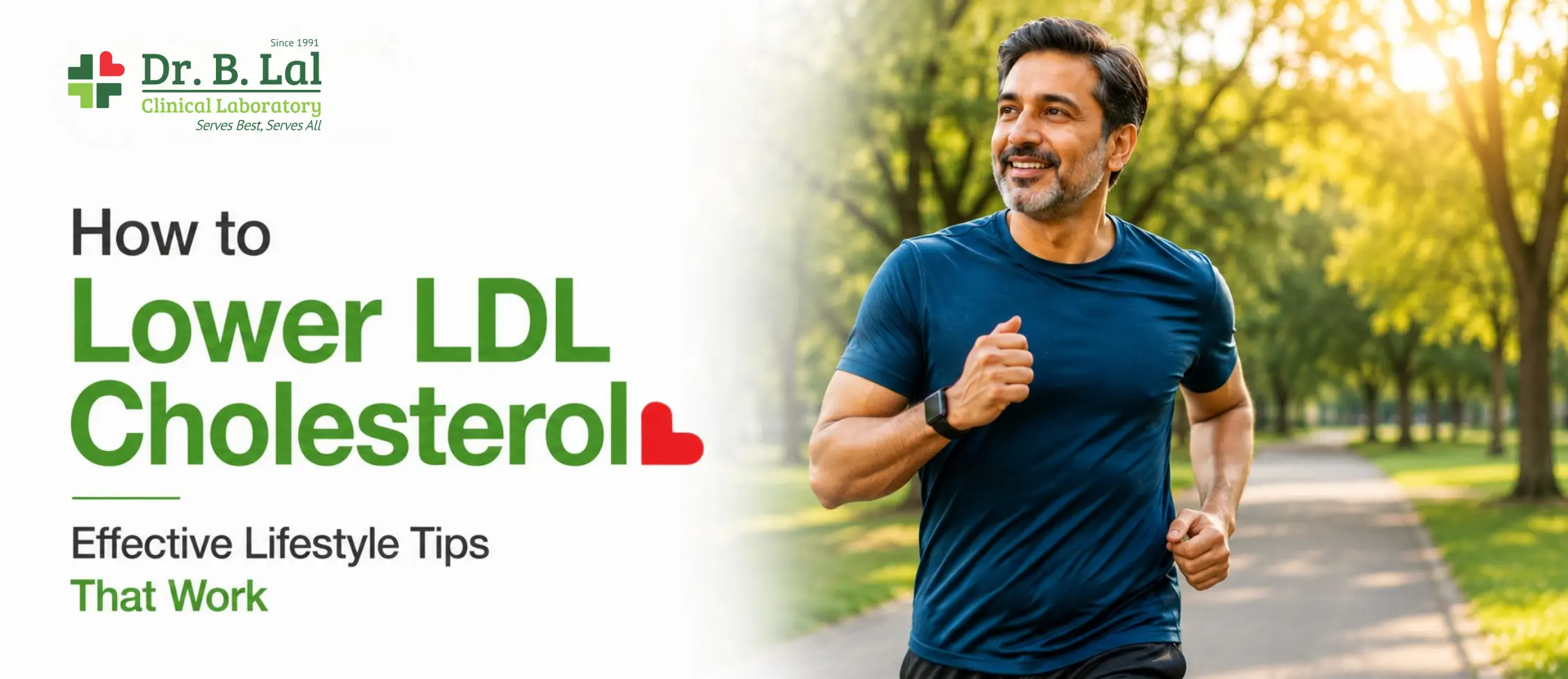
Regular exercise is one of the most effective ways to reduce LDL cholesterol and improve heart health.
Aim for at least:
- 150 minutes of moderate-intensity exercise per week, or
- 75 minutes of vigorous exercise weekly
Activities may include:
- Brisk walking
- Cycling
- Swimming
- Jogging
- Dancing
Exercise can also help raise HDL which helps remove excess cholesterol from the body.
4. Maintain a Healthy Weight
Even modest weight loss can improve cholesterol level.
Studies have shown that losing 5–10% of body weight may help:
- Lower LDL cholesterol
- Reduce triglycerides
- Improve blood pressure
- Lower the risk of heart disease
Combining healthy eating with regular exercise is usually the most sustainable approach.
5. Quit Smoking
Smoking damages blood vessels and increases plaque buildup inside arteries.
Benefits of quitting smoking include:
- Improved HDL cholesterol levels
- Better circulation
- Reduced heart disease risk
- Improved lung function
Many people begin seeing cardiovascular benefits within weeks to months after quitting.
6. Limit Alcohol Consumption
Excessive alcohol intake can contribute to weight gain, high blood pressure, and elevated triglyceride levels.
If you drink alcohol:
- Do so in moderation
- Avoid binge drinking
- Follow your healthcare provider's recommendations
For some individuals, reducing alcohol intake can lead to noticeable improvements in cholesterol levels.
7. Manage Stress Effectively
Stress is not healthy and can affect a person’s physical wellbeing. It can be a cause of unhealthy behavior like eating too much, smoking, or neglecting exercise.
Good ways to manage stress include:
- Meditation
- Yoga
- Deep breathing exercise
- Regular physical activity
- Adequate sleep
- Time spent with friends and family
Supporting mental well-being can indirectly improve heart health and cholesterol management.
8. Get Regular Health Checkups
High cholesterol often has no noticeable symptoms. Many people discover they have elevated LDL cholesterol only after routine blood testing.
Regular cholesterol screening helps:
- Monitor treatment
- Detect risk early
- Guide lifestyle change
- Prevent future cardiovascular complication
Your healthcare provider may recommend more frequent testing if you have diabetes, hypertension, obesity, or a family history of heart disease.
When Lifestyle Changes May Not Be Enough
While lifestyle changes are highly effective, some people may still require medication due to:
- Genetic cholesterol disorder
- Existing heart disease
- Very high LDL cholesterol level
- Multiple cardiovascular risk factor
In these situations, your doctor may prescribe cholesterol controlling medicine such as statins alongside lifestyle improvements.
Signs You Should Get Your Cholesterol Tested
Consider a cholesterol test if you:
- Family history of high cholesterol
- Obese
- Diabetes
- High blood pressure
- Smoke regularly
- Sedentary lifestyle
Are over 20 years of age and have not been tested recently
Early detection allows timely intervention and better long-term outcomes.
Final Thoughts
Reduction of LDL cholesterol is among the most effective actions you can undertake to keep your heart and cardiovascular system healthy. Effective ways of reducing cholesterol include the consumption of foods recommended to maintain heart health, being physically active, keeping healthy weight, not smoking, and frequent testing of cholesterol level.
The small but constant efforts can result in positive changes that will benefit you a lot in the future. If no improvement occurs even after taking such measures, contact your physician to get proper advice on how to proceed.
Do it now to prevent heart diseases in the future.