If you or someone close to you has just been told it's "acute pancreatitis," the first question that comes to mind is usually: how bad is this, actually? That's fair, because acute pancreatitis isn't one single experience. Some people are in and out of the hospital in three days. Others spend weeks in an ICU. The difference usually comes down to which stage the disease has reached.
Doctors grade acute pancreatitis using a structured approach - based on the Revised Atlanta Classification and a related determinant-based classification - that sorts cases into four levels: mild, moderate, severe, and critical. Each level comes with a different treatment plan and recovery timeline.
What's Happening Inside the Pancreas
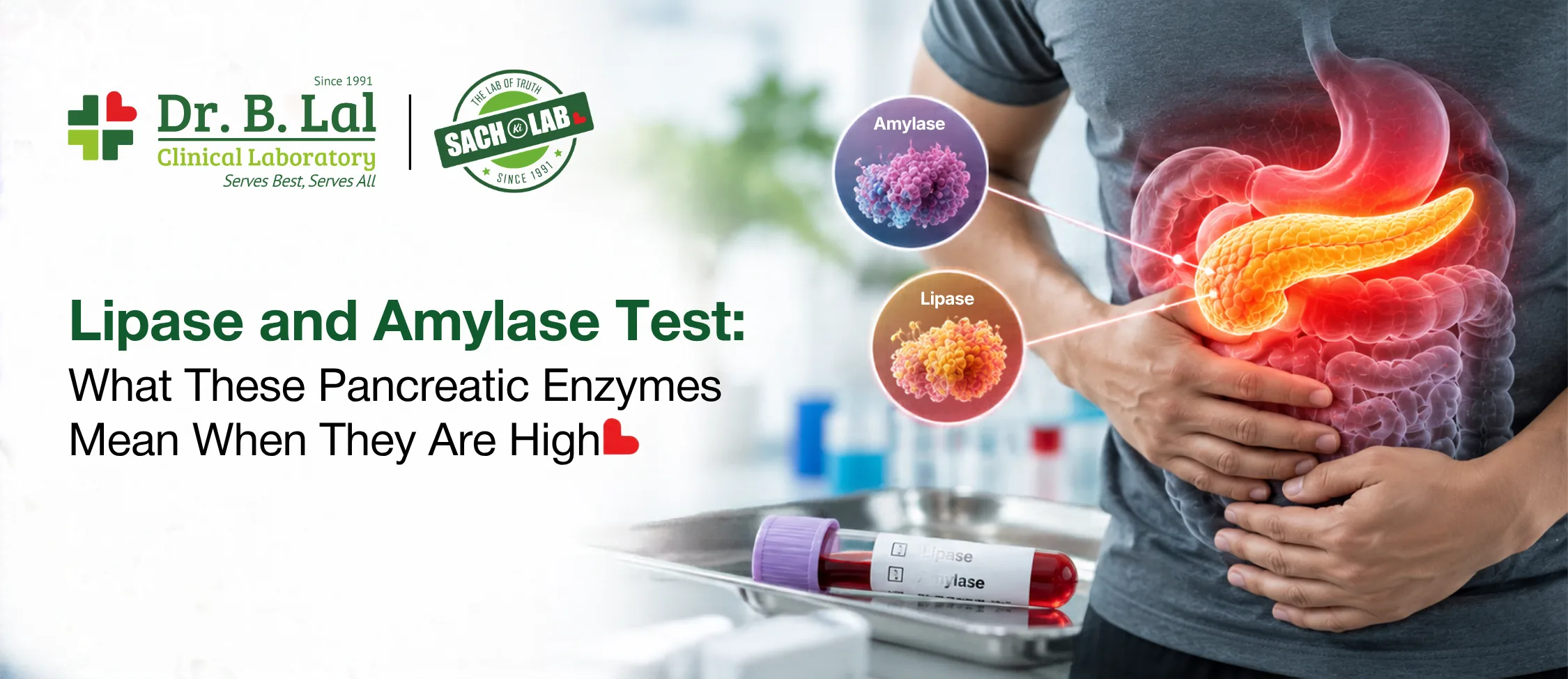
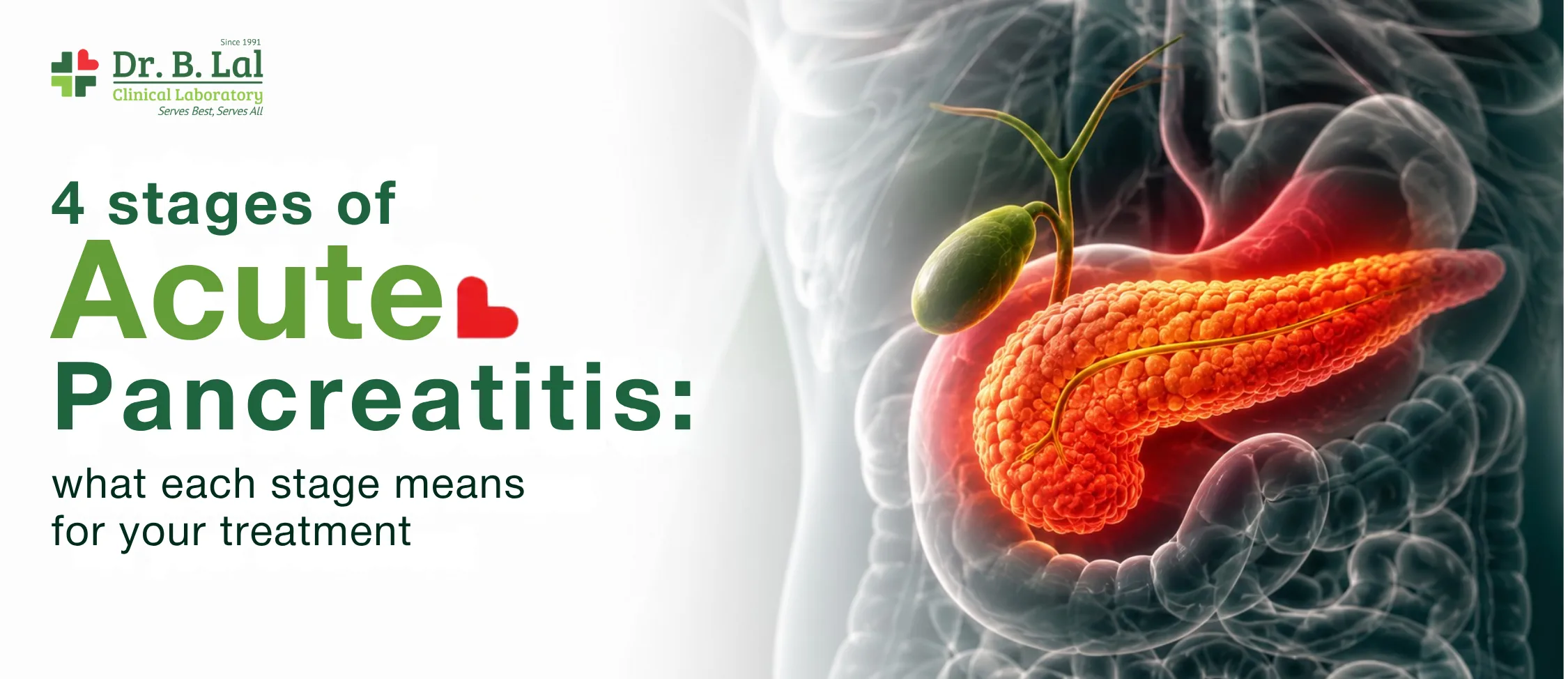
The pancreas produces digestive enzymes that normally stay inactive until they reach the small intestine. In acute pancreatitis, these enzymes activate too early, while still inside the pancreas, and start digesting the organ itself. That's what causes the sudden, severe upper abdominal pain that's usually the first warning sign, often spreading toward the back and worsening after eating.
Gallstones and heavy alcohol use are the most common triggers, though high triglycerides, certain medications, and infections can also cause it. Diagnosis relies on the characteristic pain, blood tests showing lipase or amylase at least three times the normal upper limit, and imaging such as a CT scan when the picture isn't clear. Once confirmed, the next step is judging severity - which is where the four stages come in.
Stage 1: Mild Acute Pancreatitis
Around 80% of cases fall into this category.
What defines it: No organ failure, no local or systemic complications. Inflammation stays confined to the pancreas and typically settles on its own within days.
What it feels like: Sharp upper abdominal pain, nausea, vomiting, tenderness, and sometimes a mild fever - but nothing suggesting the body is struggling to cope.
Treatment: Managed conservatively with IV fluids, pain relief, resting the gut before gradually reintroducing food, and addressing the underlying cause - such as scheduling gallbladder removal if gallstones triggered it. Most patients recover within a week without lasting damage.
Stage 2: Moderately Severe Acute Pancreatitis
What defines it: Transient organ failure lasting under 48 hours, and/or local complications like fluid collections around the pancreas, and/or a flare-up of an existing condition such as diabetes.
What it feels like: The same core symptoms as stage one, but possibly with a faster heart rate, low blood pressure, breathing difficulty, or reduced urine output - signs of temporary organ stress.
Treatment: Care becomes more intensive - closer fluid balance monitoring, imaging to check for fluid collections or early tissue damage, and nutritional support, often via a feeding tube if eating normally isn't possible for a while. Surgery usually isn't needed at this stage. Hospital stays typically run one to three weeks, with continued observation since this stage can still progress if not managed carefully.
Stage 3: Severe Acute Pancreatitis
What defines it: Persistent organ failure - 48 hours or more - affecting the lungs, kidneys, or cardiovascular system, often alongside necrosis, where part of the pancreatic tissue dies from lack of blood supply and enzyme damage.
What it feels like: Signs that the whole body is struggling - breathing difficulty, dangerously low blood pressure, confusion, minimal urine output, or shock.
Treatment: This stage almost always needs ICU-level care - mechanical ventilation if breathing is compromised, dialysis if the kidneys fail, aggressive fluid and blood pressure support, and close monitoring for infected pancreatic necrosis, one of the most dangerous complications. If infection develops, doctors usually start with the least invasive drainage option, escalating to surgery only if needed. Recovery can take weeks to months, and some patients are left with lasting effects on digestion or blood sugar control.
Stage 4: Critical Acute Pancreatitis
What defines it: Persistent organ failure combined with infected pancreatic necrosis - both problems happening at once, carrying a much higher risk than either alone.
What it feels like: Critical illness, usually with the patient unconscious or heavily sedated, multiple organs failing alongside a serious internal infection.
Treatment: Full critical care - multi-organ support through ventilation, dialysis, and circulatory support simultaneously, source control of the infection through drainage or surgery, broad-spectrum antibiotics, and a multidisciplinary team adjusting the plan daily. This stage carries the highest risk, and recovery, when it happens, is typically long with significant rehabilitation.
Why the Staging Matters
| Stage | Organ Failure | Setting | Core Treatment Focus |
| Mild | None | General ward | Fluids, pain control, gradual refeeding |
| Moderate | Transient (<48 hrs) | Ward, close monitoring | Fluid management, imaging, nutrition support |
| Severe | Persistent (≥48 hrs) | ICU | Organ support, watching for necrosis/infection |
| Critical | Persistent + infected necrosis | ICU, multidisciplinary | Multi-organ support, infection control |
Doctors reassess severity repeatedly over the first 48 to 72 hours, since a case that looks mild on day one can shift toward moderate or severe as blood tests, imaging, and the patient's response to treatment come in. Acute pancreatitis is also described in two broader phases: an early phase, in the first one to two weeks, driven mainly by the body's inflammatory response, and a late phase, where the main risk shifts to infection in damaged tissue.
When to Seek Emergency Care
- Severe, unrelenting abdominal pain, especially if it spreads to the back
- Persistent vomiting that prevents keeping fluids down
- Fever with chills
- Rapid heartbeat, breathlessness, or confusion
- Little to no urination
Any of these call for an emergency room visit rather than a wait-and-see approach.
The Takeaway
Acute pancreatitis ranges from a short, uncomfortable hospital stay to a prolonged, critical illness, and the four-stage classification exists to capture that range. Mild cases usually recover with supportive care alone; moderate cases need closer monitoring; severe and critical cases require intensive, often surgical, intervention with real risk involved.
If you've been diagnosed with acute pancreatitis, ask your treating doctor directly which stage you're in and why - it's one of the clearest ways to understand what the coming days or weeks of treatment are likely to look like.