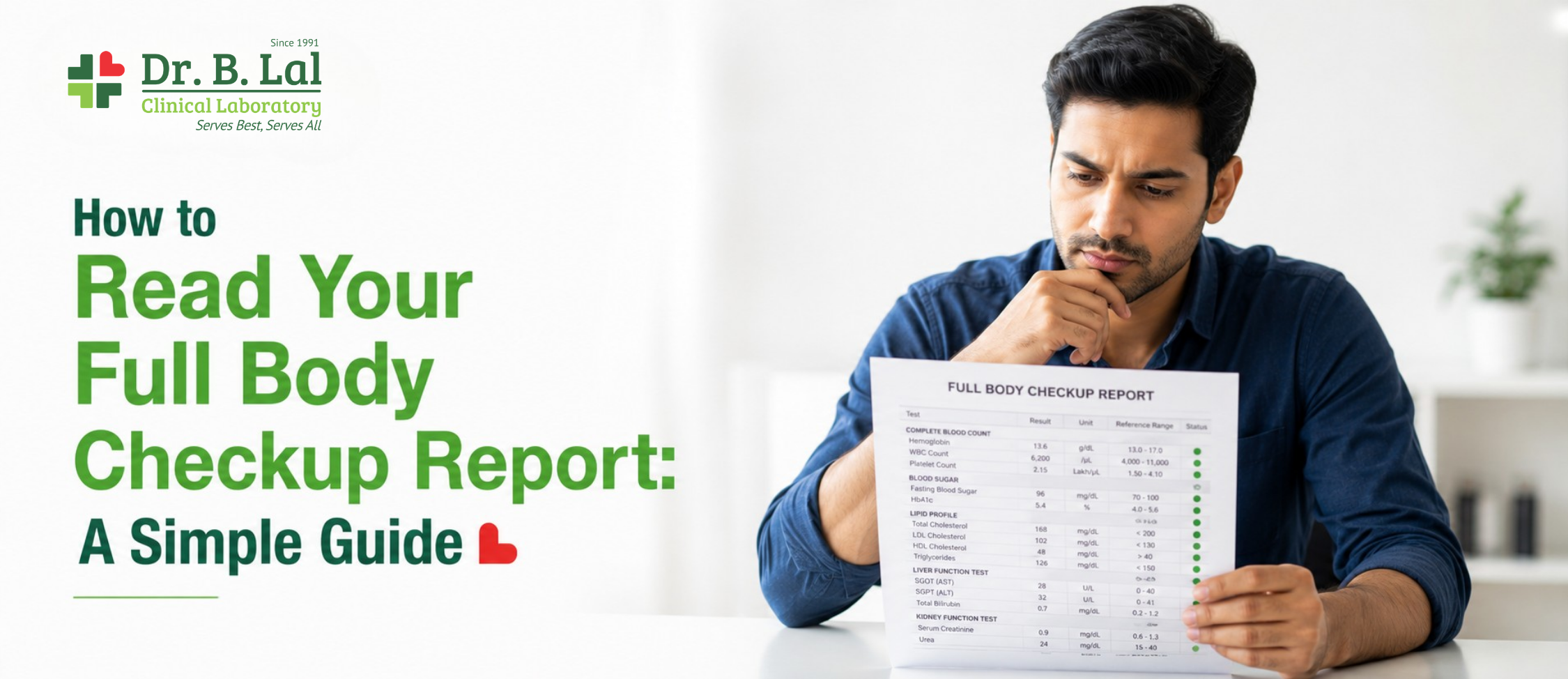
Getting a full body checkup is one of the best ways to understand your overall health. However, when the report arrives, many people feel confused by the medical terms, numbers, and abbreviations. Questions like "Is my blood sugar normal?" or "What does high cholesterol mean?" are very common.
The good news is that you don't need to be a doctor to understand the basics of your health report. This guide will help you read your full body checkup report in a simple and practical way.
Why Is a Full Body Checkup Important?
The full body health check-up allows you to spot any problems before symptoms arise.
There are many diseases that can affect your body without showing any symptoms at all for several years.
Regular preventive health checkups can help:
- Detect diseases early
- Monitor existing health condition
- Assess overall health status
- Reduce the risk of serious complication
- Support a healthier lifestyle
Understanding the Structure of Your Health Report
Most full body checkup reports are divided into different sections. These usually include:
- Complete Blood Count
- Blood Sugar Tests
- Lipid Profile (Cholesterol Test)
- Liver Function Test
- Kidney Function Test
- Thyroid Function Test
- Vitamin and Mineral Levels
- Urine Examination
Each section provides information about a specific aspect of your health.
1. Complete Blood Count
CBC is a blood test that helps diagnose any infection, anemia, and other diseases related to blood
Hemoglobin (Hb)
Hemoglobin transports oxygen throughout the body.
Low Hb levels may suggest:
- Iron deficiency
- Anemia
- Blood loss
High hemoglobin may be linked to:
- Smoking
- Dehydration
- Certain diseases
White Blood Cells (WBC)
White blood cells help fight infections.
High WBC count may suggest:
- Infection
- Inflammation
- Stress on the body
Low WBC count may indicate:
- Viral infection
- Immune system disorder
Platelets
Platelets help blood clot properly.
Abnormal platelet counts may affect bleeding and clotting functions.
2. Blood Sugar Tests
Blood sugar tests help assess the risk of diabetes and prediabetes.
Fasting Blood Sugar (FBS)
This measures blood sugar levels after fasting for 8–12 hours.
Generally:
- Normal: Below 100 mg/dL
- Prediabetes: 100–125 mg/dL
- Diabetes: 126 mg/dL or higher
HbA1c Test
The HbA1c test shows your average blood sugar level over the last 2–3 months.
A higher HbA1c level indicates poor blood sugar control and increased diabetes risk.
3. Lipid Profile (Cholesterol Test)
A lipid profile measures different types of fats in your blood.
Total Cholesterol
High cholesterol increases the risk of heart disease and stroke.
LDL Cholesterol (Bad Cholesterol)
LDL can build up inside arteries and reduce blood flow.
Higher LDL levels may increase cardiovascular risk.
HDL Cholesterol (Good Cholesterol)
HDL helps remove excess cholesterol from the bloodstream.
Higher HDL levels are generally beneficial.
Triglycerides
Elevated triglycerides may increase the risk of heart disease, especially when combined with diabetes or obesity.
4. Liver Function Test
The liver performs many essential functions, including detoxification and digestion.
Common LFT parameters include:
SGOT (AST) and SGPT (ALT)
These enzymes increase when liver cells are damaged.
High levels may be associated with:
- Fatty liver disease
- Hepatitis
- Excessive alcohol consumption
- Certain medications
Bilirubin
Bilirubin is a waste product processed by the liver.
High bilirubin levels may cause jaundice and indicate liver or bile duct issues.
5. Kidney Function Test
Kidneys filter waste products from the blood.
Creatinine
Creatinine levels help evaluate kidney function.
Higher levels may indicate reduced kidney efficiency.
Blood Urea
This test measures waste products removed by the kidneys.
Abnormal levels may suggest kidney dysfunction or dehydration.
6. Thyroid Function Test
The thyroid gland controls metabolism, energy levels, and body temperature.
TSH (Thyroid Stimulating Hormone)
TSH is one of the most important thyroid markers.
High TSH may indicate:
- Hypothyroidism (underactive thyroid)
Low TSH may indicate:
- Hyperthyroidism (overactive thyroid)
Symptoms of thyroid imbalance may include:
- Fatigue
- Weight changes
- Hair loss
- Mood changes
7. Vitamin and Mineral Levels
Many health packages include vitamin testing.
Vitamin D
Low Vitamin D levels are extremely common and may cause:
- Bone pain
- Muscle weakness
- Fatigue
- Reduced immunity
Vitamin B12
Vitamin B12 is important for nerve health and red blood cell production.
Deficiency may cause:
- Weakness
- Numbness
- Tingling sensations
- Memory problems
8. Urine Examination
Urine tests help assess kidney health, urinary tract infections, and metabolic conditions.
Doctors typically evaluate:
- Protein
- Sugar
- Ketones
- Blood cells
- Bacteria
Abnormal findings may require further investigation.
What Do "Normal Range" and "Reference Range" Mean?
Every test result is usually compared with a reference range.
If a value falls slightly above or below the normal range, it does not always mean there is a serious problem.
Factors such as:
- Age
- Gender
- Medication
- Lifestyle
- Medical history
can influence test results.
This is why test reports should always be interpreted along with clinical symptoms and a doctor's advice.
Red Flags That Need Medical Attention
Consult a healthcare professional if your report shows:
- Very high blood sugar level
- Significantly elevated cholesterol
- Abnormal liver enzymes
- Poor kidney function markers
- Severe anemia
- Extremely abnormal thyroid results
Early medical intervention can prevent complications and improve long-term health outcomes.
Tips for Maintaining Healthy Test Results
To keep your health parameters within a healthy range:
- Eat a balanced diet
- Exercise regularly
- Stay hydrated
- Maintain a healthy weight
- Get adequate sleep
- Avoid smoking and excessive alcohol
- Manage stress effectively
Schedule annual health checkups
Final Thoughts
Reading the full body check-up report can be very helpful in understanding your health status. Although the numbers and other terms used may look very confusing at first, knowing what blood glucose, cholesterol, liver function tests, kidney function tests, thyroid function tests, and blood cells mean can really help in taking charge of your health.
It is important to know that this health report is more than numbers; it is all about your health status. Careful reading of the results and consulting your doctor about any unusual results can really pay off in years to come.