Getting a health checkup is an excellent step toward taking care of your health. However, many people receive their blood test reports and struggle to understand what the numbers actually mean. While your doctor will explain important findings, having basic knowledge of key blood test markers can help you better understand your overall health.
Blood tests provide valuable information about your body's functioning, including your blood sugar levels, kidney function, liver health, cholesterol levels, and more.
Understanding these markers can help you make informed decisions about your lifestyle and healthcare.
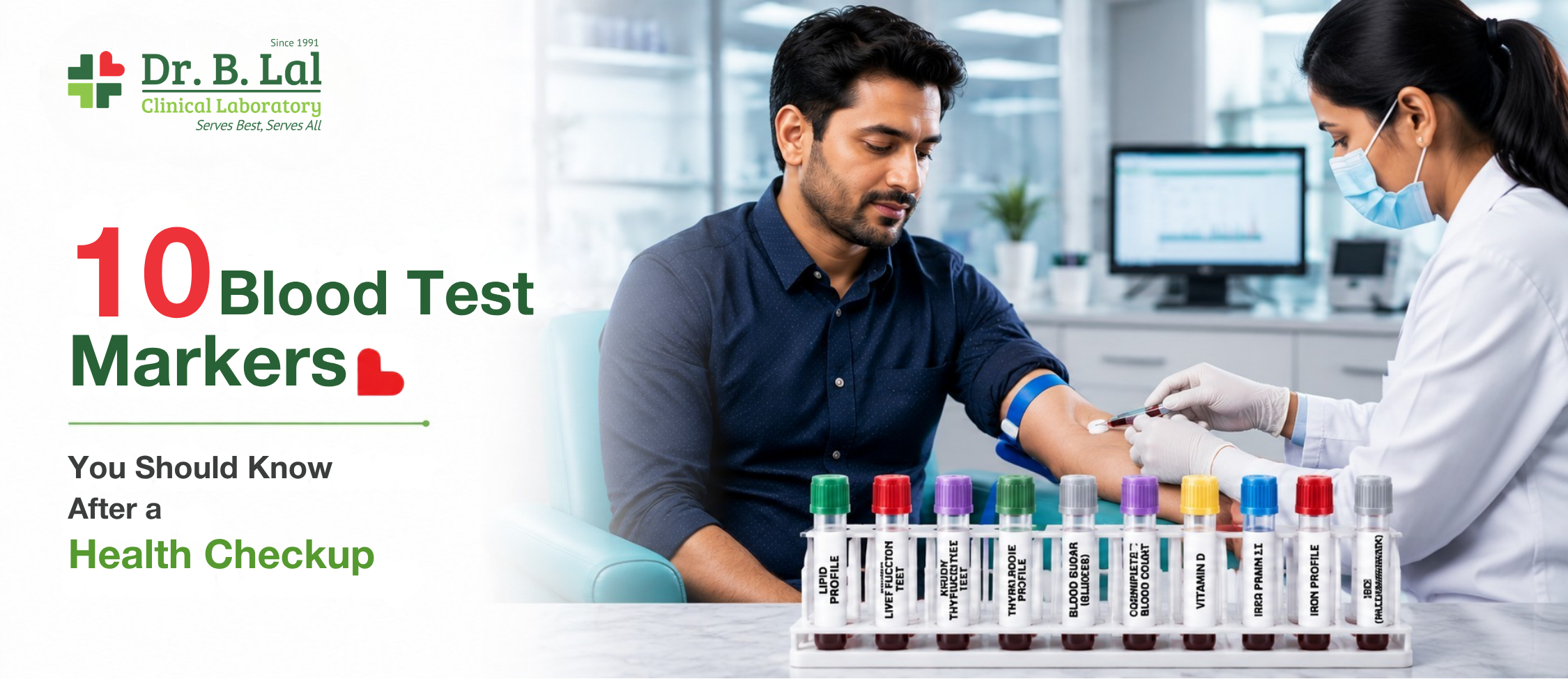
In this article, we'll discuss 10 important blood test markers you should know after a health checkup.
1. Blood Sugar
Blood glucose indicates the presence of sugar in the bloodstream. It is considered one of the key indicators that can help diagnose diabetes and prediabetes.
Why It Matters
Glucose serves as the main source of energy for your body. Excessively high levels of sugar in the blood can be harmful to your blood vessels, nerves, kidneys, and eyes.
Normal Range
- Fasting Blood Sugar: 70–99 mg/dL
- Prediabetes: 100–125 mg/dL
- Diabetes: 126 mg/dL or higher
What High Levels May Indicate
- Diabetes
- Prediabetes
- Stress or illness
- Hormonal disorder
2. HbA1c
The HbA1c test reflects your average blood sugar levels over the previous 2–3 months.
Why It Matters
Unlike a single blood sugar test, HbA1c provide a long-term picture of glucose control.
Normal Range
- Normal: Below 5.7%
- Prediabetes: 5.7%–6.4%
- Diabetes: 6.5% or higher
What High Levels May Indicate
- Poor blood sugar control
- Increased risk of diabetes complication
3. Hemoglobin (Hb)
Hemoglobin is a protein found in red blood cells that carries oxygen throughout the body.
Why It Matters
Low hemoglobin level can reduce oxygen delivery to tissues and organs, leading to fatigue and weakness.
Normal Range
- Men: 13.5–17.5 g/dL
- Women: 12.0–15.5 g/dL
What Low Levels May Indicate
- Anemia
- Iron deficiency
- Vitamin B12 deficiency
- Blood loss
4. White Blood Cell Count
White blood cells help protect your body against infections and diseases.
Why It Matters
WBC count helps evaluate your immune system's response to infections, inflammation, and certain medical conditions.
Normal Range
- 4,000–11,000 cells per microliter
What Abnormal Levels May Indicate
- Infection
- Inflammation
- Immune disorder
- Certain blood disorder
5. Platelet Count
Platelets help your blood clot and prevent excessive bleeding.
Why It Matters
Both low and high platelet counts can affect your body's ability to control bleeding or clotting.
Normal Range
- 150,000–450,000 platelets per microliter
What Abnormal Level May Indicate
- Bleeding disorders
- Infections
- Bone marrow conditions
- Chronic diseases
6. Total Cholesterol
Cholesterol is a waxy substance that helps build cells and produce hormones.
Why It Matters
High cholesterol levels increase the risk of heart disease and stroke.
Desirable Level
- Less than 200 mg/dL
What High Levels May Indicate
- Increased cardiovascular risk
- Poor dietary habit
- Genetic cholesterol disorder
7. LDL Cholesterol
LDL cholesterol can build up inside arteries and form plaques.
Why It Matters
High LDL levels increase the risk of blocked arteries, heart attack, and stroke.
Optimal Level
- Less than 100 mg/dL
What High Levels May Indicate
- Higher risk of heart disease
- Poor lifestyle habit
- Family history of cholesterol problem
8. HDL Cholesterol
HDL cholesterol help remove excess cholesterol from the bloodstream.
Why It Matters
Higher HDL levels are generally associated with better heart health.
Healthy Level
- Men: Above 40 mg/dL
- Women: Above 50 mg/dL
What Low Levels May Indicate
- Increased heart disease risk
- Lack of physical activity
- Smoking
9. Serum Creatinine
Creatinine is a waste product produced by muscles and filtered by the kidneys.
Why It Matters
Creatinine level help assess kidney function.
Normal Range
- Men: Approximately 0.7–1.3 mg/dL
- Women: Approximately 0.6–1.1 mg/dL
What High Levels May Indicate
- Kidney disease
- Dehydration
- Reduced kidney function
10. Liver Enzymes (ALT and AST)
ALT (Alanine Aminotransferase) and AST (Aspartate Aminotransferase) are enzymes found in liver cells.
Why They Matter
When liver cells become damaged, these enzymes can leak into the bloodstream.
What Elevated Levels May Indicate
- Fatty liver disease
- Hepatitis
- Alcohol related liver damage
- Certain medications
Regular monitoring can help detect liver problems before symptoms develop.
When Should You Be Concerned About Abnormal Blood Test Results?
An unusual result does not necessarily mean you have a serious health condition. Several factors such as transient illness, medication, nutrition, physical activities, and dehydration can impact laboratory results.
It's important to:
- Talk about results with your physician.
- Compare results with previous reports.
- Take recommended lifestyle changes.
- Repeat tests when necessary
Do not diagnose yourself based only on laboratory data.
Tips to Improve Your Blood Test Results
Keeping your blood tests healthy can simply be attributed to having healthy living practices all the time.
Consider:
- Balanced diet
- Regular exercise
- Healthy weight
- Enough water intake
- Getting good sleep
- Stress management
- Avoiding tobacco
- Limiting alcohol consumption
Following medical advice for existing health conditions
Final Thoughts
Interpreting your blood test report plays a crucial role in maintaining your overall well-being. Parameters like glucose level, HbA1c, cholesterol, hemoglobin, kidney status, and liver enzyme levels give an indication of the working of your body.
Timely health check-ups and understanding of blood test markers will help you recognize any health problems that may arise. This will further ensure that the results that you get are positive in nature.