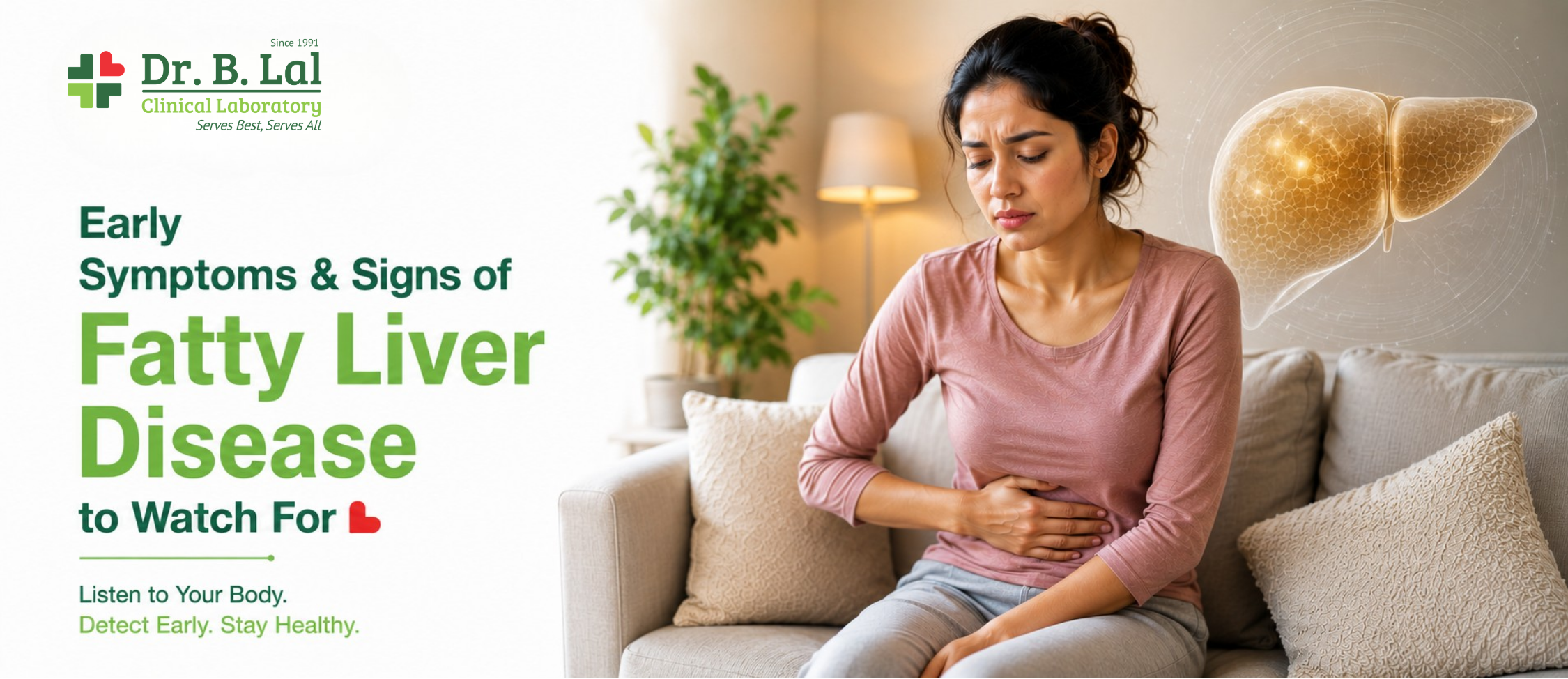
Fatty liver disease is becoming increasingly common, especially among people with sedentary lifestyles, obesity, diabetes, and unhealthy eating habits. The concerning part is that many people with fatty liver disease do not experience noticeable symptoms in the early stages. As a result, the condition often goes undiagnosed until it progresses and affects liver function.
Recognizing the early symptoms and signs of fatty liver disease can help you seek medical advice sooner and take steps to protect your liver health.
What Is Fatty Liver Disease?
Fatty liver disease occurs when excess fat accumulates in the liver. While a small amount of fat in the liver is normal, too much fat can cause inflammation and damage over time.
There are two main types:
- Non-Alcoholic Fatty Liver Disease (NAFLD): Occurs in people who drink little or no alcohol.
- Alcohol-Related Fatty Liver Disease: Caused by excessive alcohol consumption.
If left untreated, fatty liver disease may progress to liver inflammation, fibrosis, cirrhosis, and even liver failure.
Early Symptoms of Fatty Liver Disease
Many people with fatty liver disease have no symptoms at all. However, some individuals may notice subtle changes in their health.
1. Persistent Fatigue
Fatigue without any apparent cause is the most prevalent symptom of fatty liver disease in its early stages. The liver is responsible for energy production and metabolism, so when the liver’s optimal performance is affected, the body is likely to experience fatigue and low energy levels.
2. Discomfort or Pain in the Upper Right Abdomen
The liver is situated in the upper right part of the abdomen. With the development of fat in the liver, some patients will feel pain or discomfort in that region.
3. Unexplained Weight Changes
However, even if obesity increases the likelihood of developing fatty liver, there could be cases where the person experiences weight changes that occur without any reason. The change in one's metabolism due to liver problems might lead to weight changes.
4. Feeling Weak or Lethargic
Many patients have complained that they feel physically weak or unmotivated in their daily lives. This is usually an insidious symptom which can be easily confused with stress or lack of sleep.
5. Difficulty Concentrating
There are some people who encounter a problem concentrating or focusing on something. While this symptom is not related directly to fatty liver condition, it sometimes happens when the liver is stressed out.
6. Increased Abdominal Fullness
An enlarged liver may cause a feeling of fullness or bloating in the upper abdomen. This sensation may persist even after eating small meals.
Physical Signs of Fatty Liver Disease
Apart from symptoms, certain physical signs may indicate liver-related issues.
1. Enlarged Liver
Doctors may detect an enlarged liver during a physical examination or imaging tests such as ultrasound.
2. Dark Patches on the Skin
People with insulin resistance and non-alcoholic fatty liver disease may develop dark, velvety patches of skin, especially around the neck, armpits, or groin. This condition is known as acanthosis nigricans.
3. Increased Waist Circumference
Excess abdominal fat is strongly associated with fatty liver disease. A growing waistline can be an early warning sign that should not be ignored.
Advanced Symptoms That Require Immediate Attention
As fatty liver disease progresses, more serious symptoms may develop, including:
- Jaundice
- Swelling in the abdomen
- Swelling in the legs and ankle
- Severe fatigue
- Easy bruising or bleeding
- Confusion or memory problem
These symptoms may indicate significant liver damage and require prompt medical evaluation.
Who Is at Risk of Fatty Liver Disease?
You may have a higher risk if you:
- Are overweight or obese
- Have type 2 diabetes
- Have high cholesterol or triglycerides
- Have high blood pressure
- Lead a sedentary lifestyle
- Consume excessive alcohol
- Have metabolic syndrome
Have a family history of liver disease.
How Is Fatty Liver Disease Diagnosed?
Since early fatty liver disease often causes few symptoms, regular health check-ups are important.
Doctors may recommend fatty liver disease test:
- Liver Function Test
- Ultrasound Abdomen
- FibroScan
- Blood sugar testing
- Lipid profile testing
- CT scan or MRI in selected case
These tests help assess liver health and determine whether further treatment is needed.
Can Fatty Liver Disease Be Reversed?
The good news is that early-stage fatty liver disease is often reversible through lifestyle changes.
Simple steps include:
- Maintaining a healthy weight
- Exercising regularly
- Following a balanced diet
- Reducing sugar and processed food
- Managing diabetes and cholesterol
- Limiting alcohol intake
- Getting regular liver health screening
Even a modest weight loss of 5–10% can significantly reduce liver fat and improve liver function.
Final Thoughts
One reason that fatty liver disease is considered a “silent” ailment is that patients do not develop symptoms until the liver becomes severely damaged. Taking note of initial symptoms like feeling tired, having pain in the abdomen, general weakness, and any other abnormal sensations will help with detecting the disease.
It is advisable for those with risk factors like obesity, diabetes, or elevated cholesterol levels to talk to their doctor about taking liver tests. This will play an important role in preventing any serious complications from developing in the future.