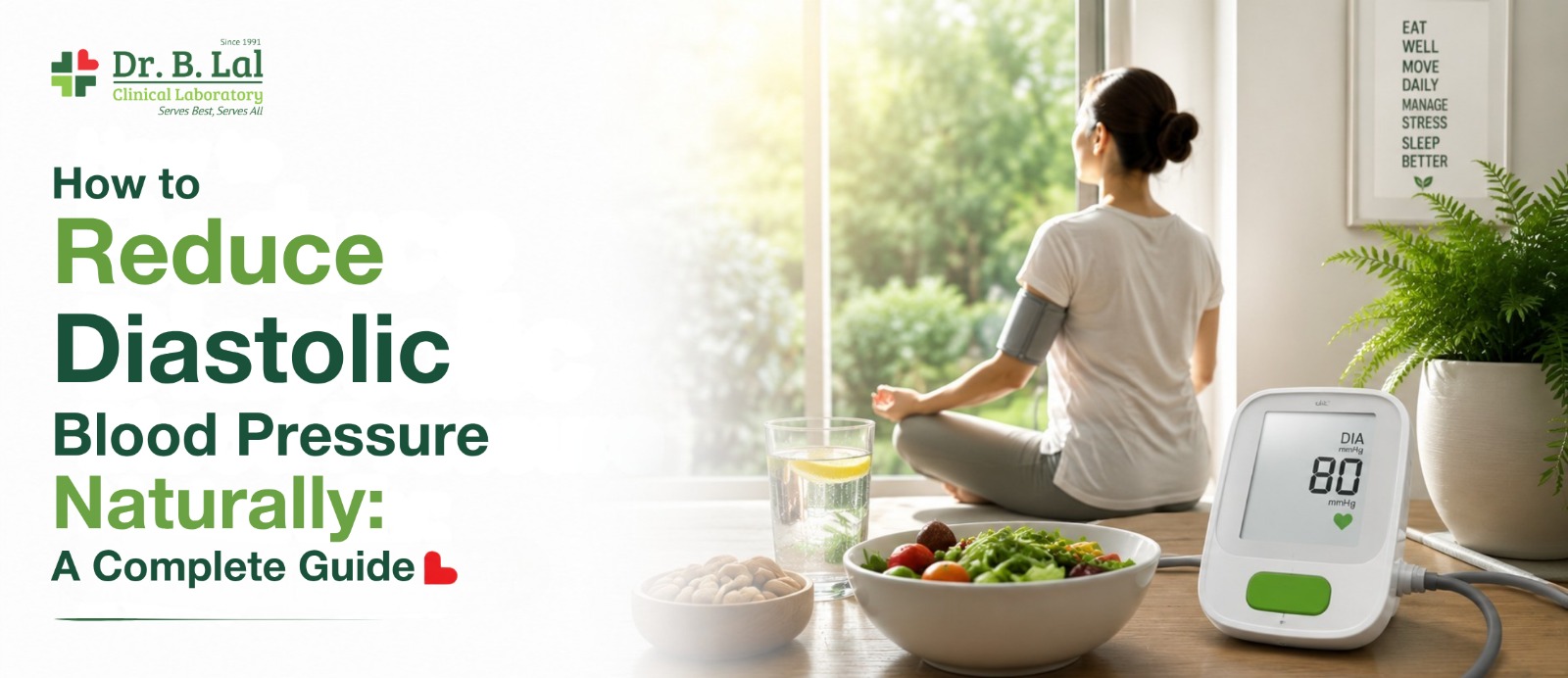
High blood pressure is often called a silent killer because it may not show obvious symptoms until it causes serious health problems. While many people focus on the upper number (systolic blood pressure), the lower number - known as diastolic blood pressure - is equally important for heart health.
If your diastolic blood pressure is consistently high, making natural lifestyle changes can help manage it effectively and reduce your risk of heart disease, stroke, and kidney problems.
What Is Diastolic Blood Pressure?
There are two measurements of blood pressure:
- Systolic pressure (top number): Blood pressure at the time of contraction of the heart.
- Diastolic pressure (bottom number): blood pressure when the heart is at rest.
So in 120/80mmHg, the bottom measurement is that of diastolic blood pressure.
Usually, a good measure of diastolic blood pressure is less than 80mmHg. When there are consistently high levels, hypertension can be expected.
What Causes High Diastolic Blood Pressure?
Several factors can contribute to elevated diastolic blood pressure, including:
- Excessive salt consumption
- Overweight
- Lack of physical activity
- Chronic stress
- Smoking and alcohol
- Poor sleep quality
- Diabetes
- Kidney disorders
- Family history of hypertension
Understanding the underlying cause is the first step toward managing it naturally.
How to Reduce Diastolic Blood Pressure Naturally
The positive thing about this problem is the fact that many individuals can change their diastolic blood pressure using healthy lifestyle approaches. Some of the most effective approaches are provided below.
1. Reduce Your Salt Intake
High sodium levels lead to the retention of water by the body, thus increasing pressure on blood vessels.
Here is how you can cut down on sodium:
- Eat less processed foods.
- Don’t use extra salt in your diet.
- Consume fresh fruits and vegetables.
- Check food labels for sodium content.
It is advisable to consume no more than 2,300 mg of sodium per day.
2. Follow a Heart-Healthy Diet
A balanced diet holds much importance for keeping blood pressure within natural limits.
A diet should consist of:
- Potassium - bananas, spinach, sweet potato, coconut water
- Magnesium - nuts, seeds, beans
- Fiber - grains, fruits, vegetables
- Good fats - olive oil, avocados, fatty fish
The DASH (Dietary Approaches to Stop Hypertension) diet is very popular for maintaining healthy blood pressure.
3. Exercise Regularly
Physical activity strengthens the heart and improves blood circulation, reducing pressure on the arteries.
Aim for:
- 30 minutes walking
- Cycling
- Swimming
- Yoga
- Light strength training
Even moderate exercise performed consistently can help reduce both systolic and diastolic blood pressure over time.
4. Maintain a Healthy Weight
Increased body weight puts more strain on the heart and raises blood pressure.
Even a loss of 5-10% of body weight can be beneficial to cardiovascular well-being.
Small changes, like eating smaller portions of food, being physically active daily, and drinking fewer sweetened beverages, can make a great deal of difference.
5. Manage Stress Effectively
Stress results in hormone production, which results in an elevation in blood pressure. Chronic stress can cause persistent high blood pressure in the long run.
Stress management techniques that can be applied naturally are:
- Meditation
- Deep breathing
- Yoga
- Music therapy
- Time spent in nature
- Mindfulness
Taking regular breaks and maintaining a healthy work-life balance can also support better heart health.
6. Improve Sleep Quality
Poor sleep is closely linked to high blood pressure.
Adults should aim for 7–9 hours of quality sleep each night.
Tips for better sleep include:
- Maintaining a consistent bedtime routine
- Limiting screen time before bed
- Avoiding caffeine late in the evening
- Keeping the bedroom cool and comfortable
If you experience loud snoring or daytime fatigue, consult your doctor, as sleep apnea can contribute to hypertension.
7. Quit Smoking
Smoking damages blood vessels and causes temporary spikes in blood pressure after every cigarette.
Quitting smoking improves circulation, supports heart health, and reduces the risk of heart attack and stroke.
The benefits begin almost immediately and continue to increase over time.
8. Limit Alcohol Consumption
Excessive alcohol intake can raise blood pressure and interfere with medications.
If you drink alcohol, do so in moderation:
- Men: Up to two drinks per day
- Women: Up to one drink per day
Reducing alcohol consumption can help lower both systolic and diastolic blood pressure naturally.
9. Increase Potassium Intake
Potassium helps balance sodium levels in the body and relaxes blood vessel walls.
Good dietary sources include:
- Banana
- Orange
- Spinach
- Tomato
- Sweet potato
- Beans
- Yogurt
However, people with kidney disease should consult their doctor before significantly increasing potassium intake.
10. Monitor Your Blood Pressure Regularly
Regular monitoring helps you understand how lifestyle changes are affecting your blood pressure.
Keep a record of:
- Blood pressure readings
- Physical activity
- Diet changes
- Stress levels
- Sleep patterns
Sharing this information with your healthcare provider can help guide appropriate treatment decisions.
Foods That Help Lower Diastolic Blood Pressure Naturally
Certain foods may support healthy blood pressure levels when included as part of a balanced diet:
- Leafy green vegetables
- Berries
- Oats
- Garlic
- Fatty fish rich in omega-3 fatty acids
- Unsalted nuts
- Low-fat dairy products
- Lentils and beans
- Citrus fruits
- Green tea
A nutrient-rich diet provides long-term benefits for heart and blood vessel health.
Can Home Remedies Alone Cure High Diastolic Blood Pressure?
These techniques can be very effective, particularly in milder conditions or for prevention. Nevertheless, they should never take the place of prescribed medication without professional advice.
Some people might need both changes to their way of life and medication to have a normal blood pressure level.
Do not attempt to change your treatment without your doctor’s approval.
When Should You See a Doctor?
Seek professional help if:
- Your blood pressure is continuously above 80 mmHg diastolic.
- You suffer from headaches or feel dizzy.
- You suffer from chest pain or difficulty breathing.
- You are diabetic, you have kidneys problems or your family has a history of high blood pressure
Final Thoughts
Getting yourself educated on how you can lower your diastolic blood pressure naturally should be one of the first steps you should take. By making small changes to your lifestyle through eating healthy foods, exercising, handling stress effectively, and sleeping enough, you can see a difference in no time.
While the above tips are indeed useful, it is also important to have regular checks and seek medical advice to help keep your blood pressure at low levels.