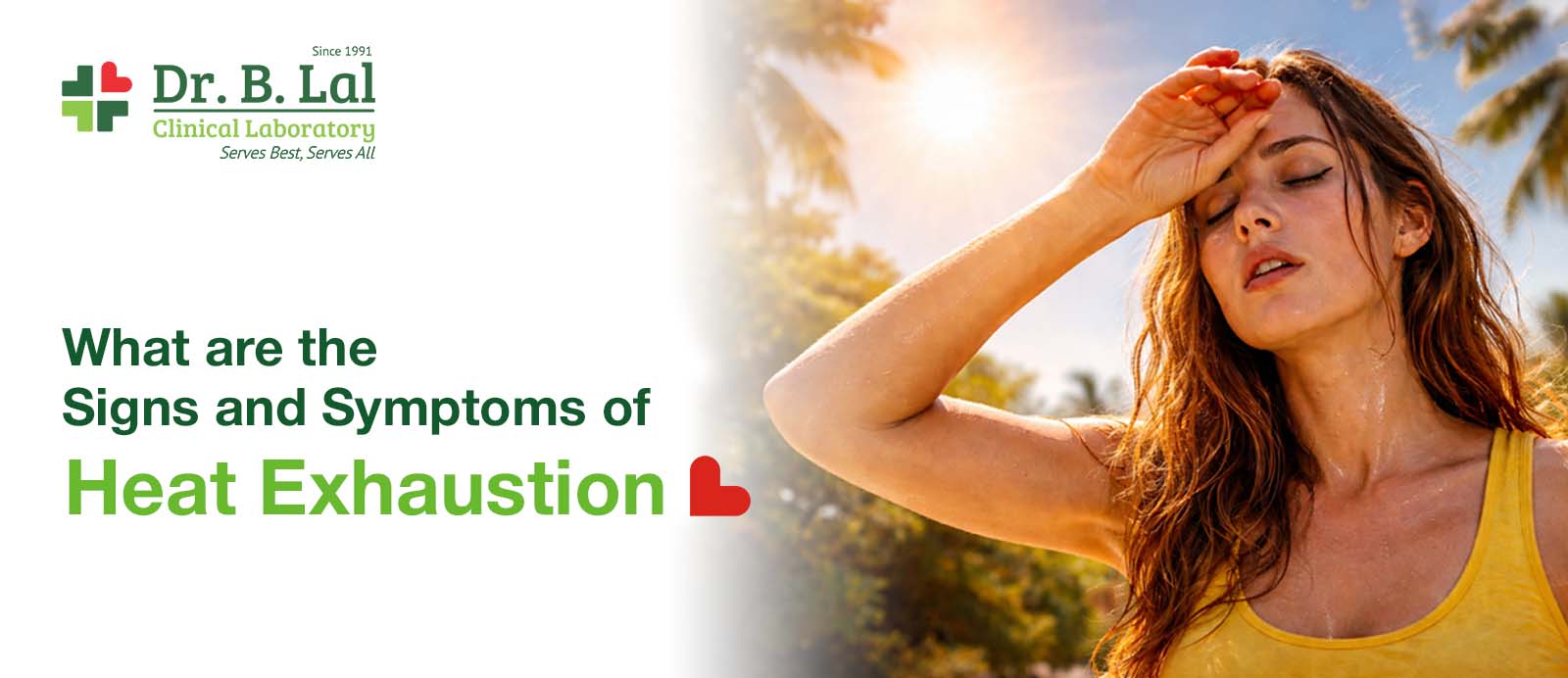
As temperatures rise during summer, cases of heat-related illnesses also increases rapidly. One of the most common conditions people experience during extreme heat is heat exhaustion. It usually happens when the body overheats and struggles to cool itself properly after prolonged exposure to high temperatures, dehydration, or too much physical activity.
Understanding the Heat Exhaustion Symptoms early can help prevent serious complications like heat stroke, which can become life-threatening if ignored. Many people often mistake the condition for normal tiredness or simple dehydration, delaying treatment until the symptoms become severe.
In this blog, we’ll explore the common Signs of Heat Exhaustion, why it happens, who is at higher risk, and when you should seek medical attention.
What is Heat Exhaustion?
Heat exhaustion is a heat-related illness that occurs when your body loses too much water and salt through sweating. It generally develops after spending long hours in hot weather, specially when hydration levels are low.
Unlike heat stroke, heat exhaustion is less severe but still needs immediate attention. If ignored for long, it may progress into a dangerous medical emergency.
The condition is especially common during Indian summers where temperatures can rise above 40°C in many regions. Outdoor workers, athletes, elderly people, and children are often more vulnerable to it.
Common Heat Exhaustion Symptoms
Recognizing the Symptoms of Heat Exhaustion early is very important. Symptoms may appear gradually or suddenly depending on the heat exposure and the person’s overall health condition.
1. Excessive Sweating
Heavy sweating is usually one of the first and most noticeable signs. The body tries cooling itself by producing more sweat, leading to loss of fluids and electrolytes.
A person may feel:
- Sticky or clammy skin
- Damp clothes even after resting
- Constant sweating despite drinking enough water
2. Extreme Weakness and Fatigue
Feeling unusually tired after being in the heat is another major symptom. The body becomes exhausted while trying maintaining normal temperature.
People often describe it as:
- Sudden low energy
- Difficulty standing for long periods
- Feeling physically drained without doing much activity
This symptom is often ignored at first, but it should not be taken lightly.
3. Dizziness or Lightheadedness
One of the most common Signs of Heat Exhaustion is dizziness. Due to dehydration and low blood pressure, the brain may temporarily receives less oxygen-rich blood.
A person may experience:
- Feeling faint while walking
- Loss of balance
- Blurred vision
- Sudden weakness when standing up
In some cases, people may even collapse suddenly.
4. Headache
Heat exhaustion frequently causes throbbing headaches. Dehydration and overheating affects blood circulation and fluid balance in the body, leading to pain and discomfort.
The headache may:
- Feel dull or intense
- Become worse under direct sunlight
- Improve slightly after cooling down
5. Muscle Cramps
Painful muscle cramps, especially in the legs, arms, or abdomen, are another common symptom. These cramps happens because the body loses important salts and minerals through excessive sweating.
People working outdoors or exercising heavily in hot weather often experiences this problem.
6. Nausea or Vomiting
Many people with heat exhaustion also feels sick to their stomach. The body’s stress response during overheating can disturb digestion and trigger nausea.
Some individuals may:
- Lose appetite completely
- Feel uneasy after drinking water
- Experience vomiting in severe cases
This symptom can make dehydration even worse if ignored.
7. Rapid Heartbeat
A fast or weak pulse is another warning sign. Since the body is working harder to cool down, the heart pumps faster to improve circulation.
You may notice:
- Increased heart rate even while resting
- Palpitations
- Shortness of breath
8. Cool, Pale, or Clammy Skin
Even though the body is overheating internally, the skin may appear cool and pale due to changes in blood circulation.
This is one of the important Heat Exhaustion Symptoms that differentiates it from heat stroke, where the skin often becomes hot and dry.
9. Heavy Thirst and Dehydration
Persistent thirst is a major indicator that the body is losing fluids rapidly.
Signs of dehydration may includes:
- Dry mouth
- Dark yellow urine
- Reduced urination
- Dry lips
Many people continue their activity without rehydrating properly, which can worsen the condition pretty quickly.
10. Difficulty Concentrating
Heat exhaustion can also affect mental alertness. A person may feel confused, irritated, or unable to focus properly.
Some common effects include:
- Slower thinking
- Trouble concentrating
- Mood changes
- Feeling mentally “foggy”
This symptom is specially risky while driving or operating machinery.
What Causes Heat Exhaustion?
Heat exhaustion develops when the body cannot regulate its internal temperature effectively. Several factors can contribute to this condition.
Hot and Humid Weather
High temperatures combined with humidity makes sweating less effective. Since sweat cannot evaporate properly, the body struggles cooling itself.
Dehydration
Not drinking enough water is one of the biggest causes of heat exhaustion. The body needs fluids to maintain normal temperature properly.
Intense Physical Activity
Exercising or working outdoors under direct sunlight increases body heat rapidly and sometimes faster than the body can handle.
Wearing Tight or Heavy Clothing
Clothes that traps heat can prevent proper ventilation and cooling.
Alcohol Consumption
Alcohol contributes to dehydration and affects the body’s temperature regulation too.
Who is at Higher Risk?
Anyone can experience heat exhaustion, but certain groups are more vulnerable.
Elderly Individuals
Older adults may have weaker temperature regulation and reduced thirst sensation.
Young Children
Children’s bodies heat up faster than adults, making them more sensitive to hot weather conditions.
Outdoor Workers
Construction workers, farmers, delivery personnel, and traffic police often spends long hours under the sun.
Athletes
Sports activities during hot weather increase the risk significantly, specially without enough hydration.
People with Medical Conditions
Conditions like heart disease, obesity, diabetes, and high blood pressure may increase susceptibility towards heat exhaustion.
Difference Between Heat Exhaustion and Heat Stroke
Many people confuse heat exhaustion with heat stroke, but heat stroke is much more serious and dangerous.
Heat Exhaustion
- Heavy sweating
- Weakness
- Dizziness
- Cool, clammy skin
- Body temperature usually below 40°C
Heat Stroke
- Very high body temperature
- Hot and dry skin
- Confusion or unconsciousness
- Seizures
- Medical emergency
If symptoms worsens or the person becomes confused or unconscious, emergency medical care is needed immediately.
What to Do if Someone Has Heat Exhaustion
Quick action can prevent complications and help the person recover faster.
Move to a Cool Place
Shift the person indoors or to a shaded area immediately.
Drink Fluids
Give water, ORS, or electrolyte drinks slowly. Avoid alcohol or caffeine drinks.
Cool the Body
Use:
- Cold towels
- Fans
- Ice packs on the neck and armpits
- Cool showers if possible
Rest
Physical activity should stop completely until the person feels better.
Loosen Clothing
Remove extra layers and wear light breathable clothes.
If symptoms does not improve within 30 minutes, seek medical attention.
How to Prevent Heat Exhaustion
Prevention is always better, specially during extreme summer months.
Stay Hydrated
Drink enough water throughout the day, even if you don’t feel thirsty often.
Avoid Peak Heat Hours
Try staying indoors between 12 PM and 4 PM when temperatures are highest usually.
Wear Light Clothing
Choose loose-fitting cotton clothes that allows airflow.
Take Frequent Breaks
If working outside, rest regularly in shaded or cool areas.
Eat Water-Rich Foods
Fruits like watermelon, cucumber, and oranges helps maintain hydration levels.
When Should You See a Doctor?
You should consult a healthcare professional if:
- Symptoms persist despite cooling down
- Vomiting continues
- Fainting occurs
- Breathing becomes difficult
- Confusion develops
Ignoring severe Symptoms of Heat Exhaustion can lead to dangerous complications later.
Final Thoughts
Heat exhaustion is more common than many people realize, specially during intense summers. Recognizing the early Signs of Heat Exhaustion can help prevent serious health risks and ensure faster recovery.
Symptoms like excessive sweating, dizziness, fatigue, nausea, headache, and muscle cramps should never be ignored. Staying hydrated, avoiding prolonged sun exposure, and taking proper precautions can greatly reduce the risk.
If you or someone around you experiences severe Heat Exhaustion Symptoms, timely medical attention can make a big difference. Staying aware and prepared is one of the best way to protect yourself during hot weather.