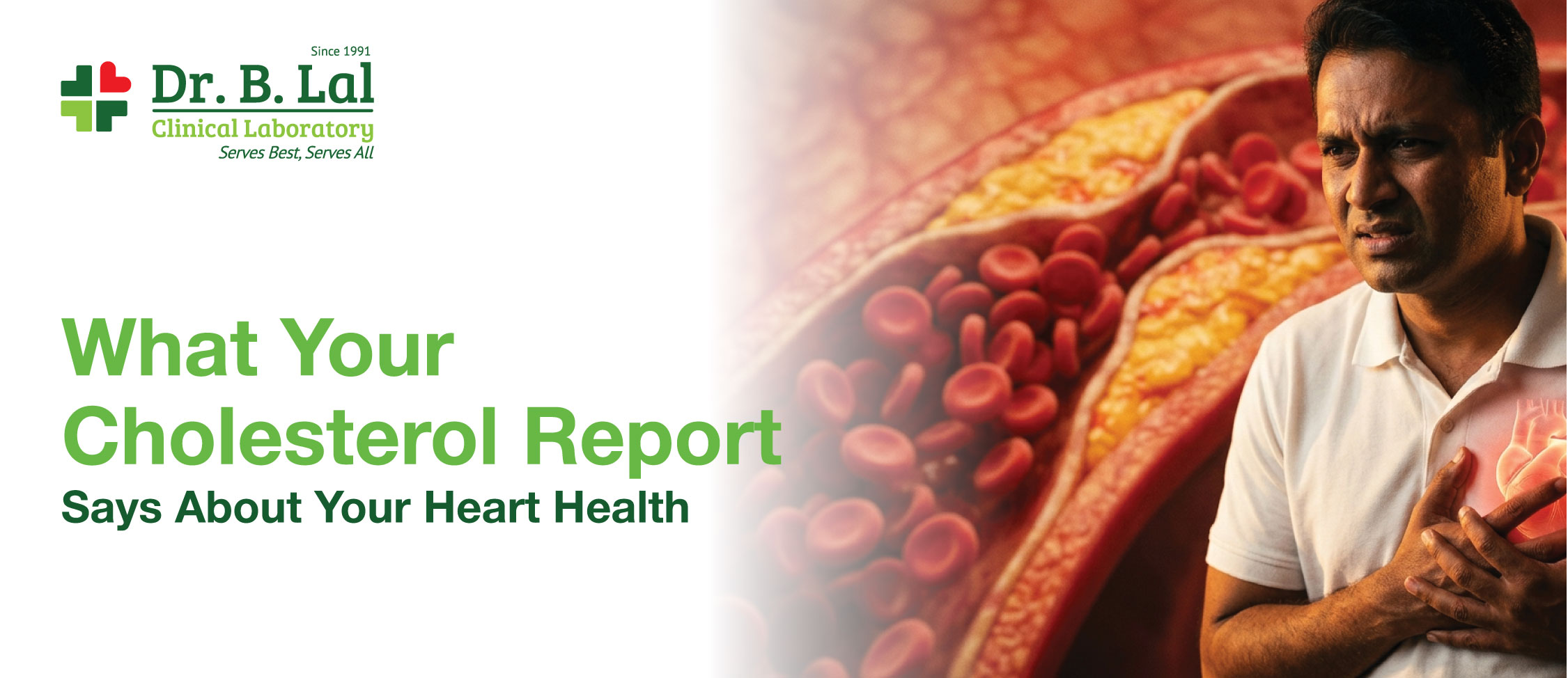
Most people get their cholesterol test done, they look at the report, and then either ignore it or panic a little. The numbers look technical, and unless someone explains them, they don’t mean much.
But your cholesterol report is actually one of the simplest ways to understand what’s going on with your heart.
Let’s go through it in a way that actually makes sense.
First, what is cholesterol?
Cholesterol is a fatty substance in your blood. Your body needs it — that’s the important part people often miss. It helps build cells and supports normal functions.
The problem starts when there’s too much of it, or when the balance is off.
That’s when it begins to affect your heart.
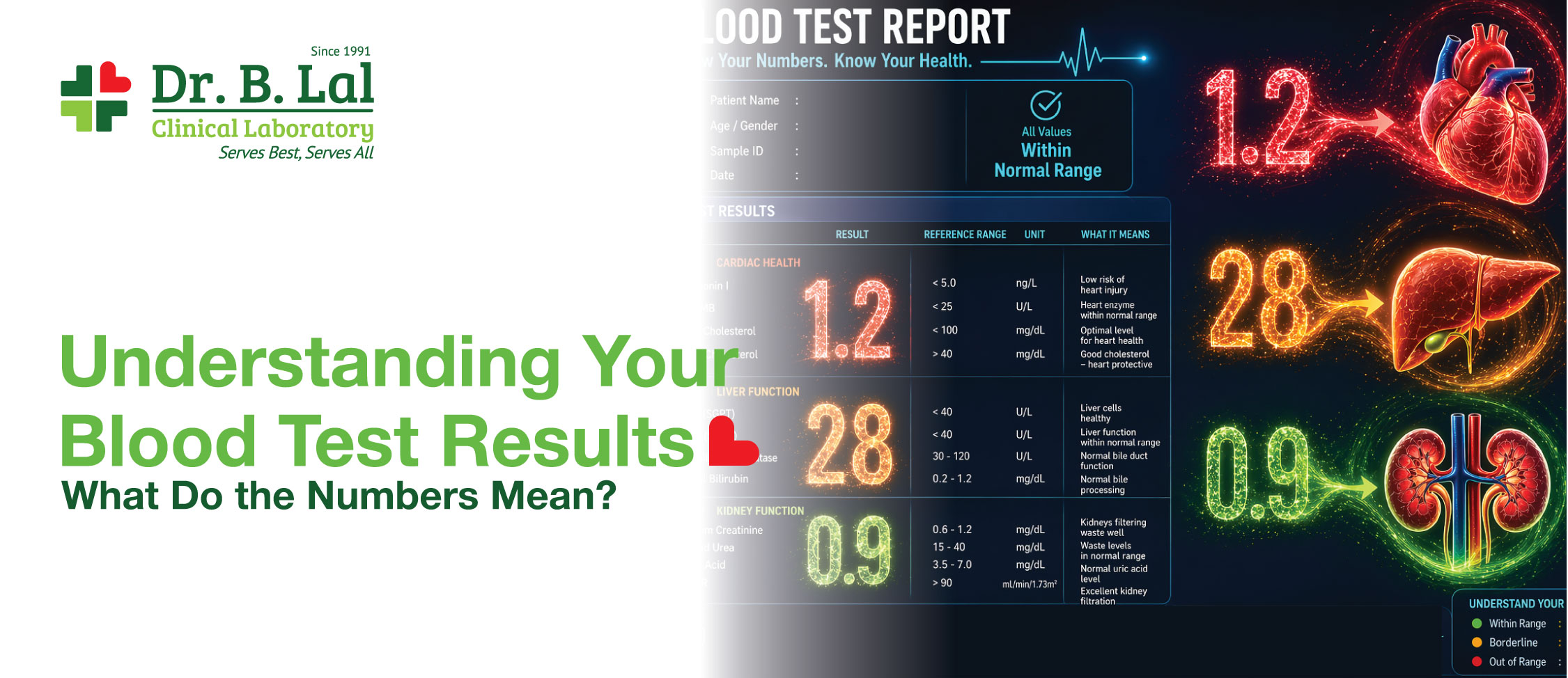
The numbers you see in your report
When you open your report, you’ll usually see a few key things. They may sound technical, but they’re not hard to understand once you know what they do.
LDL – the one you need to watch
LDL is often called “bad cholesterol,” but that’s just a simple way to describe it.
What actually happens is this: LDL can leave cholesterol behind in your blood vessels. Over time, this builds up and makes the arteries narrower.
If your LDL is high, it doesn’t mean something is immediately wrong — but it does mean your heart is under more pressure than it should be.
HDL – the helpful one
HDL works in the opposite way. It helps clear out extra cholesterol from your blood.
You can think of it like a cleanup system.
Higher HDL levels are usually a good sign. Lower levels? That just means your body isn’t clearing things out as efficiently.
Total cholesterol – the overall picture
This number is a mix of everything — both good and bad.
A lot of people focus only on this, but it doesn’t tell the full story on its own. You could have a “normal” total number and still have an imbalance inside.
So it’s useful, but not enough by itself.
Triglycerides – often ignored, but important
These are another type of fat in your blood, mostly affected by what you eat.
If you’ve been having a lot of sugary foods, fried snacks, or alcohol, this number tends to go up.
High triglycerides don’t always get attention, but they do increase the strain on your heart over time.
So what is your report actually telling you?
Instead of looking at each number separately, it helps to see the pattern.
- If your LDL is high and HDL is low → your heart risk is higher
- If your HDL is decent and LDL is controlled → you’re in a better position
- If triglycerides are high → your lifestyle may need some changes
It’s less about one “bad” number and more about how everything is working together.
What happens if cholesterol stays high?
This is where it becomes serious — but also where early action helps the most.
Over time, excess cholesterol can stick to the walls of your arteries. Slowly, this reduces blood flow.
You won’t feel it happening. That’s the tricky part.
But later, it can lead to:
- Chest discomfort
- Heart attack
- Stroke
That’s why these reports matter even when you feel completely fine.
Why do cholesterol levels go up?
In many cases, it’s linked to everyday habits.
Things like:
- Eating too much oily or processed food
- Sitting for long hours with little movement
- Smoking
- Weight gain
- Even stress
Sometimes, it also runs in families — so even people with a decent lifestyle can have high levels.
The good part: you can improve it
This isn’t something fixed or permanent. Small changes actually make a real difference here.
You don’t need a drastic routine. Just consistent habits.
- Try to include more home-cooked food
- Go for a daily walk, even 20–30 minutes helps
- Cut down on deep-fried and sugary items
- Stay active during the day instead of sitting too long
These sound basic, but they work.
When should you pay more attention?
If your report shows numbers slightly above normal, that’s your early signal.
You don’t need to panic — but you also shouldn’t ignore it.
If levels are much higher, it’s better to speak with a doctor and understand the next steps. Sometimes lifestyle changes are enough, and sometimes medication is needed.
Final thought
Your cholesterol report is not just a lab result — it’s more like a warning system.
It tells you what could happen before anything serious actually does.
And that’s the advantage you have.
Most heart-related problems don’t appear suddenly. They build slowly. So if you understand your report and act early, you can avoid bigger issues later.
It really comes down to this: small changes now are much easier than dealing with complications later.