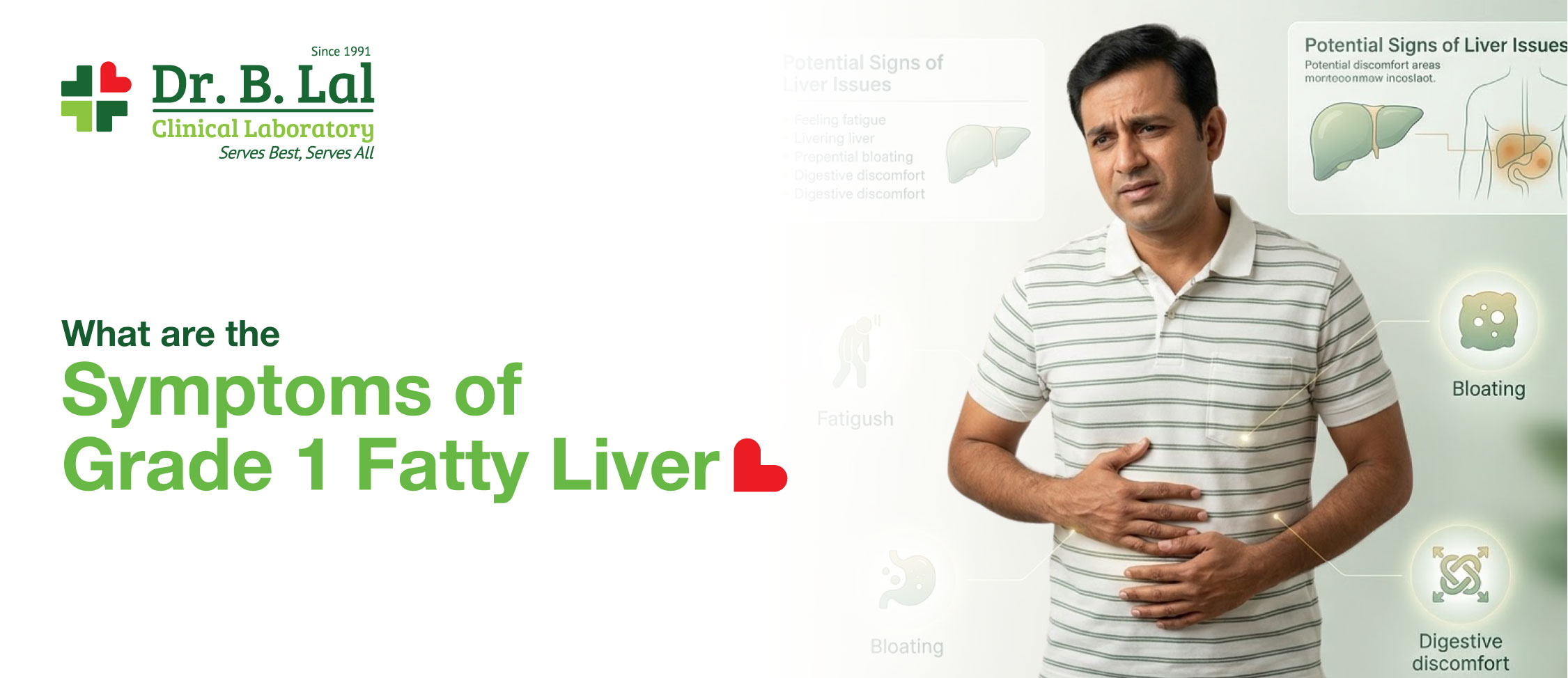
Grade 1 fatty liver is actually quite common today. Many people discover it accidentally during an ultrasound, even when they went to check something else. The surprising part is, in early stage fatty liver most people don’t really feel anything unusual.
Still, the body sometimes gives small signals. They may be mild, sometimes confusing also, but they can indicate that the liver is under stress.
In this article we’ll talk about what grade 1 fatty liver is and what symptoms people may notice in the early stage.
What Is Grade 1 Fatty Liver?
Grade 1 fatty liver, also called mild fatty liver, happens when a small amount of fat starts accumulating inside liver cells. The liver normally contains very little fat, but when fat begins to build up it can affect liver function slowly.
In grade 1 stage, the condition is considered mild. The liver is still working normally in most cases. Many doctors even say that this stage can be reversed if lifestyle changes are made early.
But ignoring it for years can allow it to progress to more serious stages.
Common Symptoms of Grade 1 Fatty Liver
One thing important to understand is that grade 1 fatty liver often has no clear symptoms. That’s why many people only discover it during routine health checkups.
However, some individuals may notice certain mild signs.
1. Fatigue or Constant Tiredness
Feeling tired most of the time is one of the common complaints people mention. It’s not the kind of tiredness after heavy work, but more like low energy throughout the day.
Since the liver plays a role in metabolism and detoxification, its efficiency slightly reduces when fat accumulates. Because of that, some people feel sluggish.
Not everyone notices it though.
2. Mild Discomfort in the Upper Right Abdomen
Some people experience a dull discomfort on the upper right side of the abdomen, where the liver is located.
It’s usually not sharp pain. More like a mild heaviness or pressure feeling, especially after heavy meals.
Sometimes people think it’s gas or indigestion, which may also be true sometimes.
3. Feeling of Bloating
Digestive issues may also occur in some cases.
People with early fatty liver sometimes report:
- Bloating after meals
- Indigestion
- Feeling full quickly
These symptoms can overlap with many other digestive conditions, so they’re not specific only to fatty liver.
4. Slight Weight Gain
Grade 1 fatty liver is often associated with weight gain, especially around the abdomen.
People who have:
- Sedentary lifestyle
- High sugar intake
- Excess processed food
are more likely to develop fatty liver.
So sometimes weight gain appears before the fatty liver diagnosis itself.
5. Elevated Liver Enzymes
This is not a symptom someone feels, but it appears in blood tests.
Doctors often notice elevated ALT or AST levels in liver function tests. That may prompt further imaging tests like ultrasound which then detect fatty liver.
So in many cases the condition is first noticed through lab reports rather than symptoms.
Why Grade 1 Fatty Liver Happens
Several lifestyle factors contribute to fatty liver.
Some common causes include:
- Poor diet with excess sugar and refined carbohydrates
- Lack of physical activity
- Obesity or overweight
- Diabetes or insulin resistance
- High cholesterol levels
- Excess alcohol consumption
Even people who don’t drink alcohol can develop fatty liver. This is called non-alcoholic fatty liver disease (NAFLD).
It has become increasingly common among working professionals and people with sedentary jobs.
Can Grade 1 Fatty Liver Be Reversed?
The good news is that grade 1 fatty liver is usually reversible.
Simple lifestyle changes can help reduce fat accumulation in the liver. Doctors usually recommend:
- Regular physical activity
- Reducing sugar and processed foods
- Weight management
- Limiting alcohol consumption
- Eating more whole foods and vegetables
Many people see improvement in liver health within a few months if these changes are followed consistently.
But the key is consistency. Not just doing it for a week or two.
When Should You See a Doctor?
If you experience persistent fatigue, abdominal discomfort, or abnormal liver test results, it’s better to consult a doctor.
An ultrasound and liver function tests can help confirm whether fatty liver is present.
Even though grade 1 fatty liver is mild, monitoring it regularly is important. Because if lifestyle habits remain the same, the condition may gradually progress.
Final Thoughts
Grade 1 fatty liver is usually an early warning sign from the body. At this stage, symptoms may be mild or sometimes not noticeable at all.
But detecting it early gives a chance to correct lifestyle habits before the liver gets more seriously affected.
Regular health checkups, fatty liver garde 1 balanced diet, and staying physically active can go a long way in keeping the liver healthy.
Sometimes the body gives quiet signals first. Paying attention to them early makes a big difference later.